
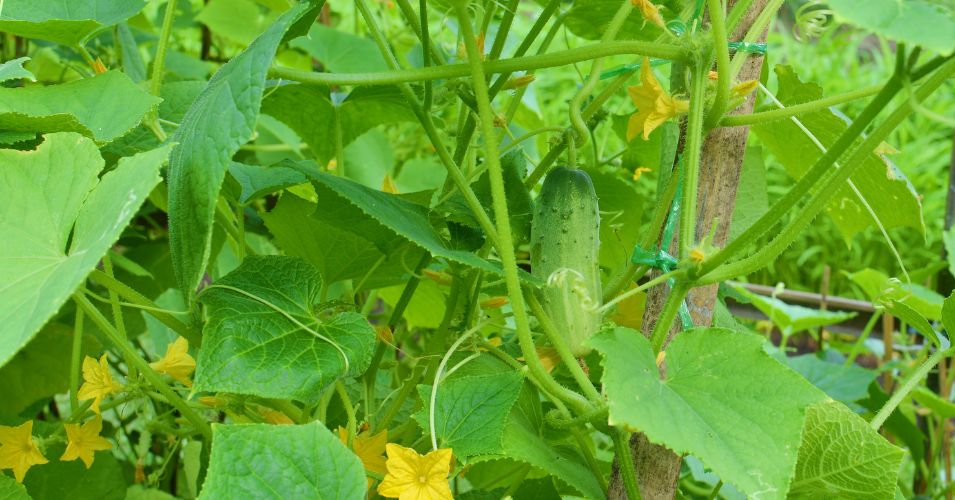
Cucumbers rarely stay where you expect them to. A few small seedlings can soon send vines across the bed, curl around nearby supports, and produce more fruit than their modest start would suggest.
Choosing what grows alongside them deserves some thought. Some plants fit neatly into the gaps without competing for space, while others bring pollinators and beneficial insects closer to cucumber flowers.
No single planting combination works for every garden. The best cucumber companion plants are simply those that suit your available space, growing conditions, and plans for the rest of the vegetable patch.
Soil-Building Partners for Healthier Cucumber Growth
Cucumbers are hungry plants. Once the weather warms up and the vines start stretching across the bed, they need fertile soil to keep producing new leaves, flowers, and fruit.
That makes legumes useful neighbors, especially in a garden where you want to grow several crops together without leaving much ground unused.
Bush beans are a good place to start. They stay fairly compact and upright, which helps when cucumber vines are already taking up plenty of horizontal space. Plant them with enough room between crops, and you can have two productive plants sharing one bed without creating a tangled mess.
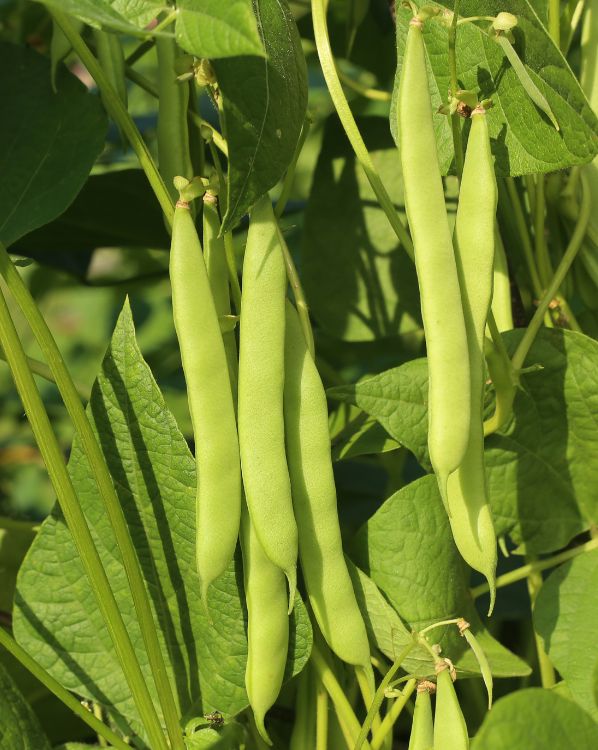
Beans are legumes, so their roots work with certain soil bacteria to capture nitrogen from the atmosphere. This does not mean they constantly feed nearby cucumbers while both plants are growing. The bean plant uses most of that nitrogen itself.
Their benefit is better viewed as part of building and maintaining a varied, healthy garden rather than as a quick fertilizer trick.
Peas belong to the same plant family, but their biggest advantage may be timing. They enjoy the cooler conditions of spring, when cucumbers are usually still waiting for warmer soil.
By the time summer heat sends cucumber vines into rapid growth, many pea plants are already slowing down or reaching the end of their productive season. You can remove the fading vines and suddenly give your cucumbers more breathing room.
You can also train peas vertically, keeping much of their growth off the ground. Just make sure their supports do not cast heavy shade over young cucumber plants.
Neither beans nor peas will magically transform poor soil into rich garden earth. Cucumbers still need compost, suitable fertilizer when required, regular watering, and enough space. These legumes offer a practical way to add another useful crop without taking up the same space at the same time.
Aromatic Herbs That Earn Their Garden Space
Herbs often end up in their own little corner of the garden, but no rule says they have to stay there.
A couple of well-placed herbs can sit comfortably among vegetables, adding flowers and fragrance while making the cucumber patch more appealing to beneficial insects.
Dill is particularly worth considering. Let a few plants grow tall and flower instead of harvesting every stem for the kitchen. Those umbrella-shaped flower heads attract a range of small beneficial insects, including hoverflies and parasitic wasps.
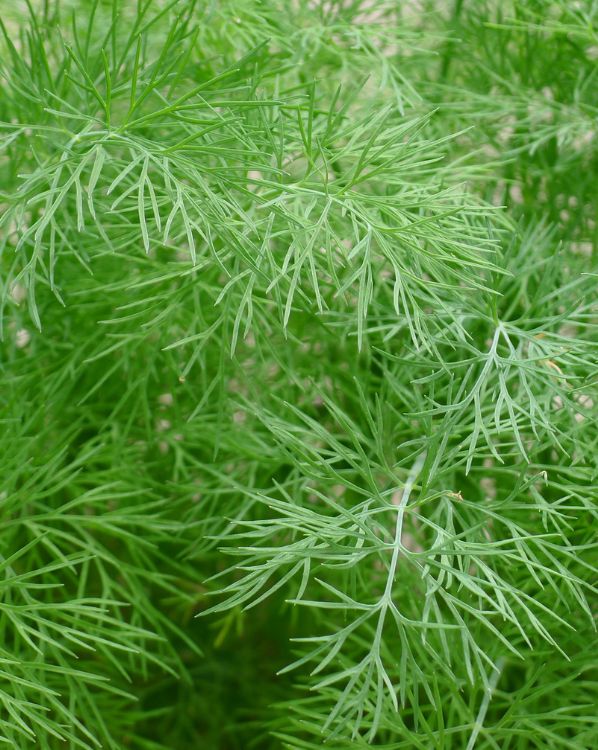
That extra insect activity can help a vegetable garden. Some beneficial insects feed on pests or use them as hosts, giving gardeners another layer of natural pest control without expecting dill itself to repel pests.
Dill does grow taller than many common herbs. Rather than planting it directly in front of cucumbers, give it a spot where its height will not block hours of valuable sunlight.
Oregano takes up space in a completely different way. It stays much lower and gradually spreads into a leafy patch. Once it flowers, its small blooms can become busy feeding spots for bees and other pollinators.
That is good company for cucumbers.
Cucumber plants produce separate male and female flowers, and pollinating insects help move pollen between them. With poor pollination, fruit may fail to develop properly or may drop from the vine while still small.
Oregano can become enthusiastic once established, though, so keep an eye on its spread. Planting it near the edge of the bed makes trimming and harvesting easier while leaving the cucumber vines room to travel.
Dill and oregano will not solve every cucumber-growing problem, and they do not need to. Their appeal is much simpler. Both give you something useful for the kitchen while bringing flowers, variety, and more insect life into a productive vegetable bed.
Colorful Flowers with Benefits Beyond Beauty
A vegetable patch does not need to be all green leaves and neat rows. Adding a few flowers around cucumbers can make the space more colorful, but it also has a practical purpose.
Flowers bring insects into the garden, and some of those visitors can be helpful when cucumber plants begin to bloom.
Nasturtiums are an easy choice because they fit naturally into the loose, sprawling look of a cucumber patch. Their round leaves spread across the ground, while orange, yellow, and red flowers appear above the foliage.
Plant them near the edge of the bed so they can tumble over rather than get mixed up with cucumber vines. This works particularly well in raised beds, where every bit of planting space matters.
Once nasturtiums flower, bees and other insects have another reason to visit. That can be welcome around cucumbers, which depend on pollinators to move pollen between flowers and help fruit develop.
Aphids are also known to gather on nasturtiums. Some gardeners use the flowers as a trap crop for this reason, although it is still worth checking them regularly rather than assuming pests will leave the cucumbers alone.
Then there are marigolds, one of those familiar flowers that seem to belong in a vegetable garden.

Their compact shape makes them easy to slip into gaps or plant along the edge of a bed. More importantly, they can keep flowering for a long stretch of the growing season. Those blooms provide another food source for pollinators and other beneficial insects moving through the garden.
Marigolds have a larger-than-life reputation as pest fighters, and not every claim made about them holds up. You shouldn’t expect them to create an invisible shield around your cucumbers.
Grow them for the benefits they can realistically provide. They add flowers, encourage a more diverse garden, and use smaller spaces without demanding much attention.
Root Crops That Make the Most of Open Soil
Young cucumber plants can leave a surprising amount of bare ground around them. It will not stay empty for long once the vines get moving, but during those first few weeks, there is often enough space to squeeze in another harvest.
That is where radishes come in handy.
Radishes move fast. Depending on the variety and growing conditions, some can be ready to pull within weeks. Sow them in the gaps around young cucumbers, and you may have them harvested before the cucumber leaves begin covering the bed.
This is less about one plant helping another and more about using the garden efficiently. Instead of waiting for cucumber vines to fill every gap, you get a second crop from soil that would otherwise sit open.
Some claim radishes can discourage cucumber beetles, but their value doesn’t depend on that. Their quick turnaround is reason enough to consider them.
Carrots take the slower route. They spend months developing underground, with relatively fine foliage remaining above the surface.
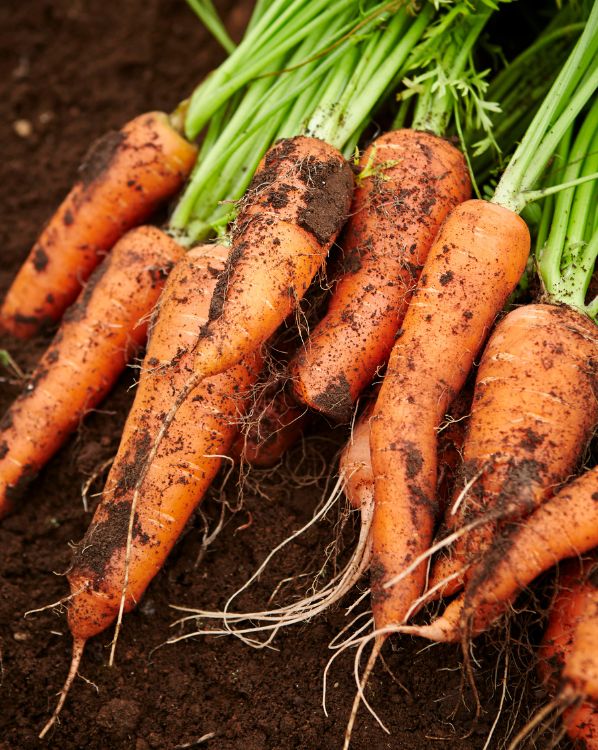
Because their growth looks so different from the broad leaves and wandering stems of cucumbers, the two crops can share a bed without everything feeling crowded above ground.
Give them some room, though. Planting carrots right against the base of a cucumber is not a clever use of space. Both plants still need access to moisture and nutrients, and cucumber roots spread through the upper soil layers.
Try a neighboring row instead. Carrot tops can rise through openings in the cucumber foliage while their roots develop below.
There is also a practical advantage at harvest time. Radishes can come out early, cucumbers can keep producing through summer, and carrots can remain in place longer.
With a little planning, one patch of soil can provide several harvests instead of being handed over entirely to cucumber vines.
Vegetable Neighbors for a Productive Garden Bed
Finding vegetables to grow beside cucumbers gets easier when you stop looking for plants that supposedly have special powers. Sometimes, a good neighbor is simply a crop that uses the available space differently.
Corn fits that description nicely. It grows tall and upright while cucumber vines prefer to wander across the ground. In a roomy vegetable bed, this difference can help you get more from the available growing area.
You may also get some welcome shade. A row of corn can block some of the strong afternoon sun, which may help in exceptionally hot summers. Cucumbers still need plenty of light, though, so avoid planting them where corn will keep them shaded for most of the day.
It can be tempting to send cucumber vines climbing up the corn stalks. After all, the stalks look like ready-made supports.
In practice, that arrangement can become awkward. Cucumber vines get heavy as fruit develops, and picking cucumbers from among corn leaves is not particularly convenient. A nearby trellis gives the vines a sturdier, more accessible surface to climb.
Lettuce is useful at a completely different stage of the season. It grows best in the cooler weeks, when cucumber seedlings are still small and haven’t taken over their patch yet.
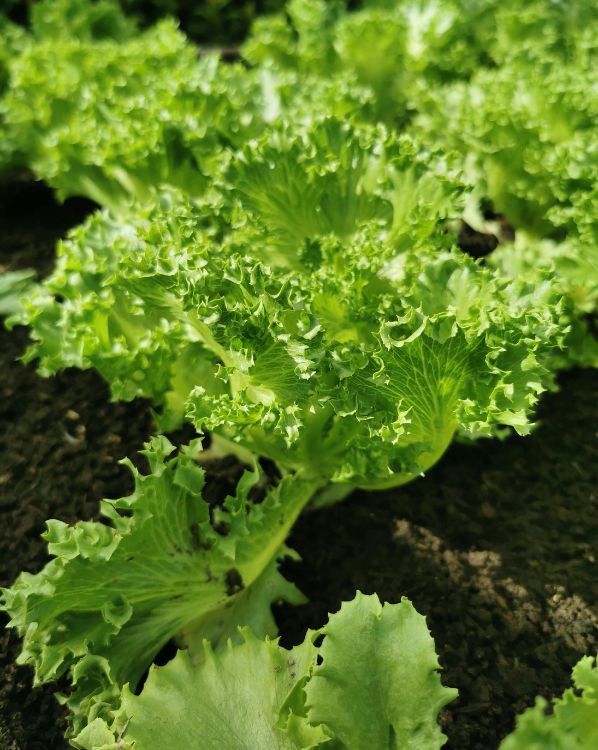
Plant lettuce in some of that open ground and you can pick leaves while waiting for the cucumber vines to fill out. As temperatures rise, the lettuce will often be ready to harvest just when the cucumbers begin asking for more space.
If a few lettuce plants remain, the expanding cucumber leaves may cast some light shade over them. This can help in warm weather, although it will not stop lettuce from eventually struggling once summer temperatures get too high.
The trick with both companions is to leave yourself room to garden. You should still be able to water, weed, check leaves for pests, and reach ripe cucumbers without fighting through a wall of foliage.
Give each crop its share of the bed, and corn or lettuce can fit into the cucumber patch without turning it into an overcrowded jungle.
Final Thoughts
The best cucumber companion plants aren’t necessarily the ones with impressive claims. Often, they are simply plants that fit into the garden without causing problems and perhaps bring an extra benefit along the way.
A flower might tempt more bees into the vegetable patch. A quick-growing radish can be harvested before cucumber vines need the space. An herb can provide flowers for beneficial insects as well as something fresh for the kitchen.
That is really what companion planting comes down to.
Instead of searching for a perfect combination, pay attention to what is happening in your own garden. Notice where sunlight falls, how quickly the vines spread, and whether plants are becoming crowded.
Give cucumbers the rich soil, moisture, airflow, and sunshine they need first. Then use companion plants to make the surrounding space more varied, useful, and productive throughout the growing season.