
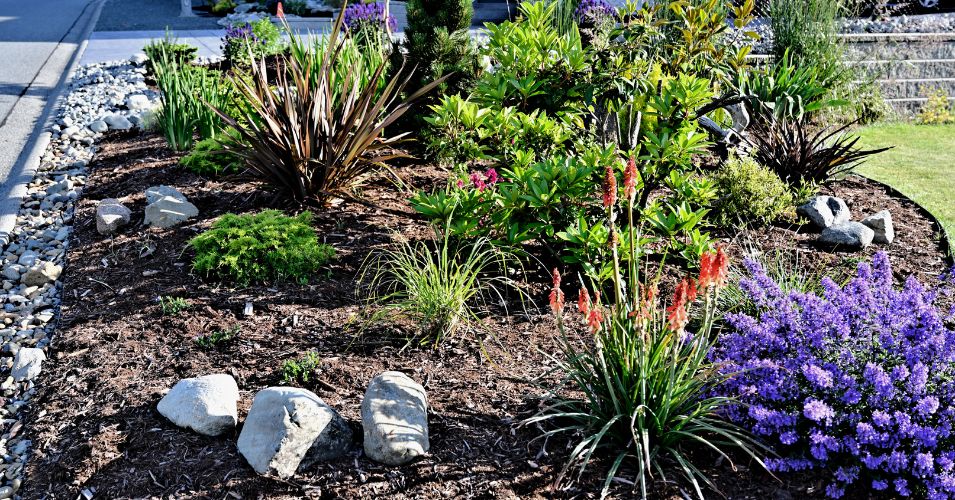
Late summer might seem like an odd time to start thinking about spring, especially when the garden is still full of warm-weather color. But it is actually a useful planting window for many perennials.
The soil is warm, which helps new roots settle in, while cooler days are just around the corner. Plant early enough, and your perennials have time to establish before the ground freezes.
From flowers that brighten shady corners to dependable plants that can stay put for years, the right choices now can make a noticeable difference when the garden comes back to life next spring.
Early Spring Bloomers That Wake Up the Garden
The first few flowers after winter always seem to matter more. When most of the garden is still brown or only beginning to show green, hellebores and bleeding hearts can make a shady bed feel like spring has properly arrived.
Hellebores often get there first. Some begin flowering in late winter, while others wait until early spring, depending on the variety and where you live. The flowers are surprisingly varied, too. Along with white and soft pink, you will find deep plum, green, burgundy, and speckled varieties.
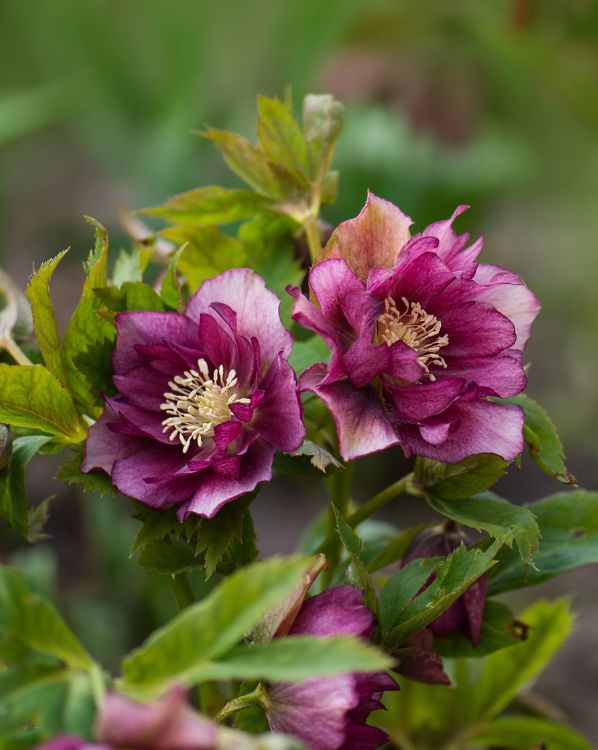
A lightly shaded spot beneath deciduous trees or shrubs suits them well. Before the branches leaf out, the plants get more light, then gain extra shade as the weather warms. They prefer fertile soil with good drainage and are best left alone once they have found a spot that suits them.
Late summer into fall is a good time to add container-grown hellebores. Don’t let a newly planted one dry out just because the hottest part of summer has passed. Warm soil can still lose moisture quickly.
Bleeding heart is another plant worth adding if you have partial shade. Its little heart-shaped flowers hang from curved stems above fresh green foliage, creating a completely different effect from the heavier, nodding blooms of hellebores.
Traditional bleeding heart has one habit that catches new gardeners out. After its spring display, the foliage may yellow and disappear as the plant becomes dormant for summer. Nothing has necessarily gone wrong.
That dormancy can make late summer a practical time to plant or divide it. Just remember where you put it. A small marker can save you from accidentally digging into the same spot months later.
With these two in place, you do not have to wait for the rest of the border to catch up. They give quieter corners of the garden something to show off early in spring.
Sun-Loving Perennials for Bright, Colorful Beds
If a flower bed spends most of the day in full sun, there is little point filling it with plants that need constant protection from the heat.
Purple coneflower and black-eyed Susan are much more comfortable out in the open, and both bring strong color without asking for especially rich soil.
Purple coneflower is the taller, bolder presence of the two. Its raised central cones are surrounded by petals that often curve slightly downward, giving each flower its familiar shuttlecock-like shape. Purple and pink are the classic colors, although newer cultivars have introduced white, yellow, orange, and red.
It likes sunshine and decent drainage. Once established, coneflower can handle periods of dry weather, but a plant that has just come out of a nursery pot is not drought-tolerant yet.
That matters when planting in late summer. Watch the soil during hot, dry spells and water as needed while the roots settle in.
Black-eyed Susan is hard to miss once it starts flowering. Golden petals surround dark brown centers, and a group of plants can create a broad patch of color rather than a few scattered blooms.
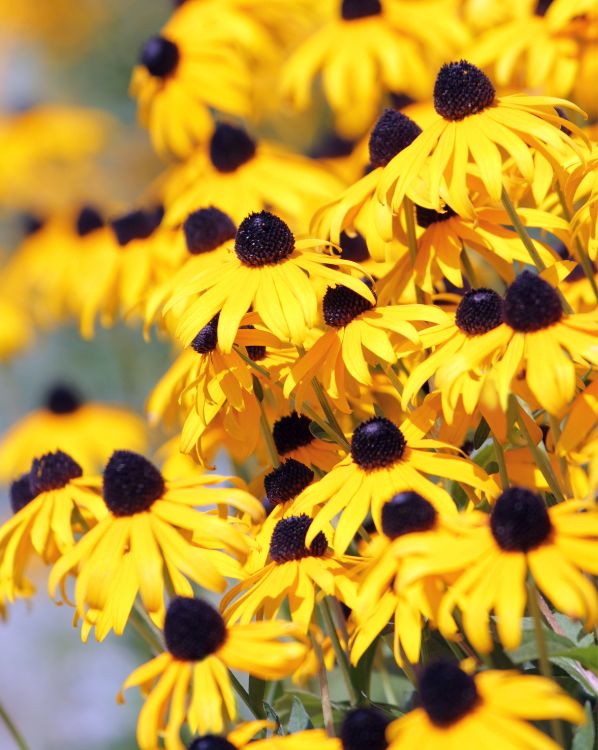
It is also refreshingly adaptable. Full sun produces the strongest show, and ordinary garden soil is usually enough as long as water is not left sitting around the roots. Healthy container-grown plants can go into the ground in late summer, when they still have several weeks to establish before freezing conditions arrive.
Give both perennials enough room when you plant. What looks like an overly generous gap at first can disappear quickly once mature plants begin filling out.
You will not get the main flower show from either one in early spring. That is not the point here. The payoff from late-summer planting starts with fresh spring growth, followed by the sunny display these plants are known for as the season moves along.
Shade-Friendly Perennials for Lush Garden Corners
Shade is often blamed when a garden bed looks bare, but the real problem may be the plants growing there.
Hostas and astilbes are much happier with limited sun, and together they can turn a dull patch beneath trees or beside a wall into something worth looking at.
Grow hostas mainly for their leaves, and you’ll find a huge range to choose from.
Some have broad blue-green leaves with a puckered surface. Others are lime green, streaked with cream, or edged in yellow. Size varies considerably as well, from small varieties that fit neatly along a path to giants that can eventually spread several feet across.
Late summer is a handy time to plant new hostas or divide clumps that have become too large. Give them a good soak after planting and keep watering if the weather stays dry. They will tolerate plenty of shade, but they are less forgiving when newly disturbed roots are left in dry soil.
It is worth checking the mature size before deciding where they should go. That innocent-looking plant in a small nursery pot may need far more elbow room in a few years.
Astilbe fills a different gap. Its leaves are smaller and finer, and in late spring or summer, depending on the variety, feathery flower plumes rise above the foliage. Whites and pale pinks can brighten a dark corner, while red and deeper pink varieties stand out against green hosta leaves.
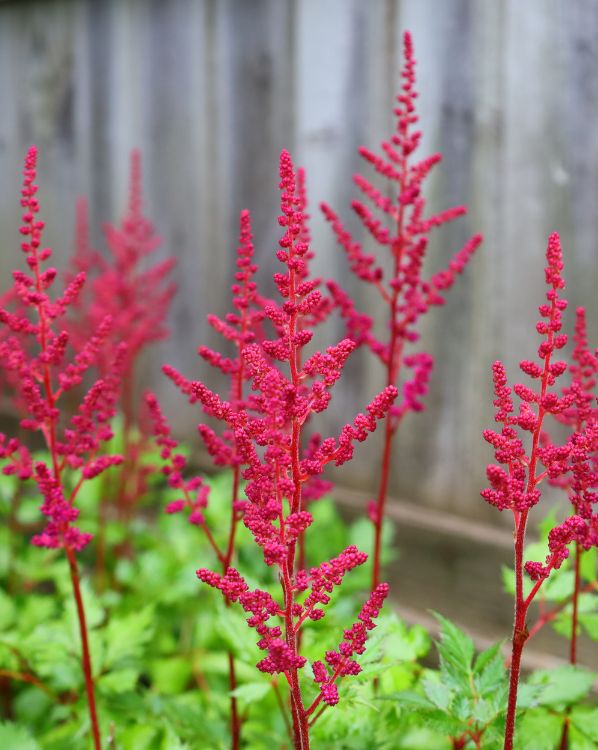
Astilbe does have one firm requirement. It does not like drying out.
Choose soil that naturally holds some moisture, then add mulch after planting to slow water loss. This is especially useful when late summer still brings hot afternoons.
Once spring rolls around, hostas provide the broad leaves and astilbes add a lighter texture between them. That simple difference can be enough to make a shady bed look much fuller without packing it with lots of different plants.
Long-Lived Perennials That Get Better Every Spring
Plant a peony in the right place, and it has a good chance of still being there many years from now. The same can be true of bearded iris. Better yet, late summer is one of the most useful times to get both into the ground.
With peonies, choose the spot carefully. They prefer sun and well-drained soil, and they generally perform better when left in place rather than moved whenever the border gets rearranged.
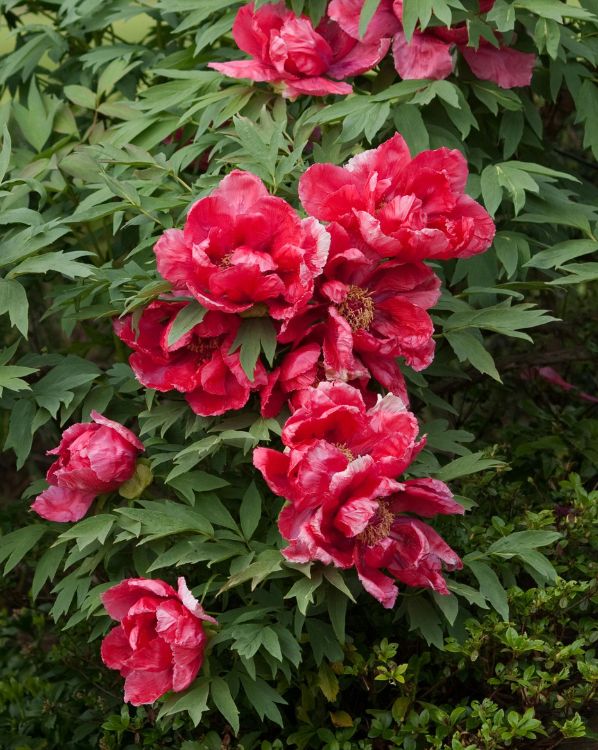
Planting itself isn’t difficult, but depth makes a difference. Look for the small pink or reddish buds, known as eyes, on the root. These should sit close to the soil surface. Plant them too deep, and the plant may produce plenty of leaves without giving you the flowers you were waiting for.
Late summer into fall is particularly suitable for planting bare-root peonies and for dividing older plants. Do not expect a newly planted peony to produce an enormous show immediately. It can take a couple of seasons to really settle in.
Bearded iris is quicker to make itself at home, but it has another planting quirk. Its thick rhizomes should not disappear deep beneath the soil. Leave the upper part at or close to the surface, with the roots spread into the ground below.
Sun and drainage are important here. A rhizome left sitting in wet soil is much more likely to rot.
Late summer is also a convenient time to tackle an old iris clump that has become crowded. Lift the rhizomes, remove unhealthy or damaged pieces, and replant the strongest sections with enough space between them.
Peonies and bearded irises are not plants for filling an emergency gap for one season. Give them the right start, and they can become the familiar flowers that signal spring and early summer year after year.
Ground-Covering Perennials That Fill Gaps Beautifully
Not every empty patch needs another tall plant. Sometimes the better answer is something that stays low, spreads sideways, and gradually hides the soil between larger perennials.
Creeping phlox does exactly that in sunny areas. It forms a low mat of narrow foliage that works well along the front of a border, over a rocky edge, or on a slope where taller plants might look awkward. Then spring arrives, and the flowers almost take over.

Pink and purple are common, but white, lavender, blue-toned, and striped varieties are also available. Planting several of the same type can eventually create a broad patch of color rather than lots of small, separate clumps.
Sunshine and good drainage will keep creeping phlox happiest. Late summer is a good time to plant healthy container-grown plants, as long as they have time to establish before freezing weather. Water regularly at first, particularly during warm spells, but do not leave the roots sitting in soggy ground.
Epimedium belongs somewhere quite different.
Look beneath trees or around shrubs where shade and competition from larger roots make planting difficult. Epimedium is well suited to these spots and slowly spreads to form a loose carpet of foliage. Its small spring flowers rise above the leaves on thin stems and can be white, yellow, pink, orange, or purple.
Some varieties also produce new leaves brushed with bronze or red, so there is interest even before the foliage turns fully green.
An established epimedium is surprisingly tolerant of dry shade. A newly planted one still needs help, though. Keep it watered through dry late-summer weather and while its roots are finding their way into the surrounding soil.
Neither plant will cover a large empty area overnight, and that is probably a good thing. Give them room to spread at their own pace, and those bare patches should become a little less noticeable with every growing season.
Final Thoughts
A good spring garden is not created entirely in spring. Some of the plants that make it feel full and established can go into the ground while summer is still winding down.
The trick is choosing for the spot rather than choosing flowers first. Look at how much sun the bed receives, whether the soil stays damp or dries quickly, and how much room each perennial will eventually need.
Timing matters too. Aim to plant early enough for roots to settle before the ground freezes, and don’t forget to water just because the hottest weeks have passed.
After that, give the plants time. Perennials rarely show you everything they can do in their first season.
When they return the following spring with fresh growth and a stronger root system, the garden starts to show the payoff.