
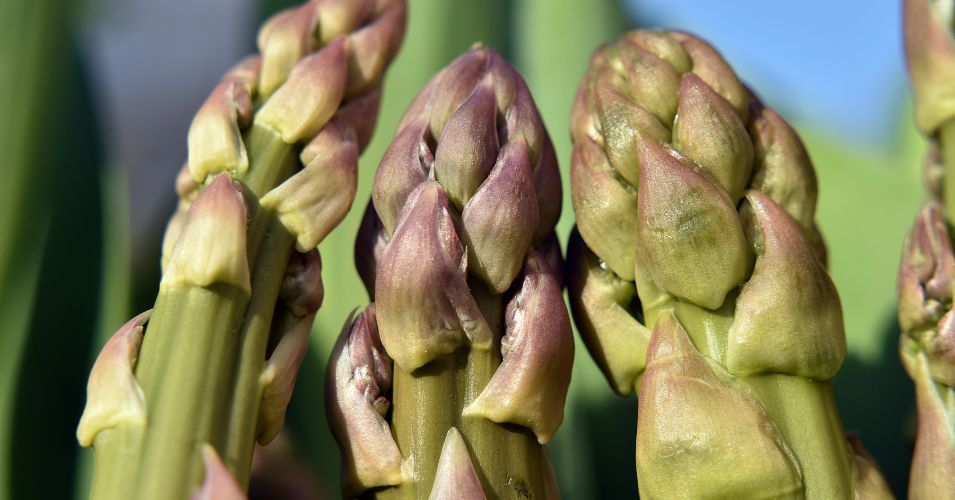
Asparagus is one of the few vegetables that can keep producing for well over a decade, but only if it gets the nutrients it needs.
Unlike annual crops that start fresh each year, asparagus relies on healthy crowns and fertile soil to deliver thick, tender spears every spring. That is why choosing the right fertilizer matters.
While synthetic products can provide a quick nutrient boost, natural fertilizers improve the soil while feeding the plants at the same time.
In this guide, you’ll discover the best natural fertilizers for asparagus, when to use them, and how to keep your asparagus bed productive for years to come.
What Nutrients Asparagus Needs to Grow Strong
Asparagus is not a crop you plant every spring. Once established, a healthy bed can keep producing for 15 to 20 years or even longer.
Because the plants stay in the same spot for so many seasons, they gradually draw nutrients from the soil. Replacing those nutrients is one of the best ways to keep harvests productive instead of watching spear size shrink over time.
Nitrogen is often the nutrient people think about first, and for good reason. After the harvest ends, asparagus sends up tall, feathery ferns that collect sunlight and store energy in the crown. Those energy reserves fuel next year’s spears, so healthy fern growth is essential.
If the plants struggle to produce lush foliage, the following harvest usually suffers as well.
Strong roots are just as important as healthy foliage. Phosphorus encourages root development, helping asparagus establish deep, vigorous crowns that can absorb water and nutrients more efficiently. This is especially valuable when planting a new bed because a strong start pays off for many years.
Potassium helps asparagus stay healthy through changing weather conditions. It supports overall plant function, improves resistance to certain diseases, and helps plants cope with heat and dry spells. While it does not receive as much attention as nitrogen, it is still an important part of a balanced feeding routine.
Asparagus also benefits from calcium, magnesium, sulfur, and other trace minerals. These nutrients may only be needed in small amounts, but they contribute to healthy growth and help the plant perform at its best.
Organic matter is equally valuable because it improves soil structure, holds moisture longer, and supports the microorganisms that slowly release nutrients into the soil.
Rather than chasing rapid growth with heavy fertilizer applications, the goal is to build fertile soil that can support asparagus season after season. Healthy soil creates healthier crowns, and healthier crowns produce thicker, more reliable spears every spring.
The Best Natural Fertilizers for Asparagus
Not all natural fertilizers do the same job. Some mainly improve soil structure, while others provide a larger supply of nutrients. Using a combination of organic materials often produces better results than relying on a single product year after year.
Compost is the foundation of almost every successful asparagus bed. It releases nutrients gradually, improves drainage in heavy soils, increases water retention in sandy soils, and feeds beneficial organisms beneath the surface.
Adding a layer of finished compost once or twice a year is one of the simplest ways to keep asparagus growing well.
Well-rotted manure is another popular option. Composted cow, horse, or poultry manure adds valuable nutrients and organic matter, making it especially useful for older asparagus beds that have been producing for several seasons. Fresh manure should never be applied because it can damage roots and introduce unwanted weed seeds.
If you want a more concentrated organic fertilizer, worm castings are an excellent choice. Although they are usually applied in smaller amounts, they provide nutrients in a form that plants can access easily while also encouraging a healthy soil ecosystem.
Organic meals are another useful addition. Bone meal supplies phosphorus to support strong root growth, alfalfa meal contributes nitrogen along with trace minerals, and kelp meal provides potassium and a wide range of micronutrients. Together, they create a balanced feeding program without relying on synthetic fertilizers.
Homemade fertilizers deserve a place in the garden as well. Finished compost made from fruit and vegetable scraps, coffee grounds, dried leaves, and garden trimmings is often the most practical option because it turns household waste into valuable organic matter.
Leaf mold and composted grass clippings can also improve soil quality, while compost tea works well as an occasional supplement during the growing season.
The best natural fertilizer for asparagus is rarely a single product. A rich layer of compost combined with targeted organic amendments provides a steady supply of nutrients while gradually improving the soil.
That approach supports healthier plants today and creates the conditions for better harvests in the years ahead.
Natural Fertilizers vs Synthetic Fertilizers for Asparagus
When choosing a fertilizer for asparagus, you’ll usually come across two options. Natural fertilizers are made from organic materials, while synthetic fertilizers are manufactured to deliver nutrients in precise amounts.
Both can grow healthy plants, but the way they achieve those results is quite different.
Natural fertilizers work slowly. Instead of releasing all their nutrients at once, they break down over time with help from soil organisms. This creates a steady supply of nutrition that matches the long growing cycle of asparagus. Since the crop stays in the same place for many years, that gradual approach is often a better fit than rapid feeding.
Compost is a good example. While it does provide nutrients, its biggest strength is what it does for the soil itself. It improves drainage in heavy ground, helps sandy soil hold onto moisture, and encourages earthworms and beneficial microbes. Those improvements continue long after the nutrients have been used.
Synthetic fertilizers are designed for speed. If asparagus is showing signs of a nutrient deficiency, they can provide a noticeable boost in a short period. That quick response is useful in some situations, but it comes with a trade-off. Once the nutrients have been absorbed or washed away, the soil is left much the same as before.
Using too much synthetic fertilizer can also create problems. Excess nitrogen, for example, may encourage vigorous fern growth without doing much to improve the crowns that produce next year’s spears. Applying more than the recommended amount can even damage roots, especially in younger plants.
That does not mean synthetic fertilizers should always be avoided. Some gardeners use them successfully, particularly after a soil test identifies a specific nutrient shortage. Even then, they tend to work best alongside compost or other organic matter rather than replacing it altogether.
For most home gardens, natural fertilizers remain the better long-term investment. They feed the plants, improve the soil, and create growing conditions that support healthy asparagus season after season.
When and How to Apply Fertilizer for the Best Results
Feeding asparagus at the right time makes a bigger difference than many gardeners realize. The plants only need fertilizer once or twice a year, but those applications should coincide with periods of active growth.
The first feeding is best done in early spring, just before new spears begin emerging. Adding compost or another organic fertilizer at this stage replenishes nutrients lost over winter and gives the crowns what they need as growth begins. If weeds have appeared, remove them first, so they are not competing for the same nutrients.
Once the harvest season is over, asparagus enters a completely different phase. Instead of producing edible spears, it focuses on growing tall ferns. Those ferns act like solar panels, capturing sunlight and storing energy in the crowns for next year’s harvest.
A second application of fertilizer after harvesting supports this process and helps the plants build up their reserves before winter.
How you apply fertilizer matters just as much as when you apply it. Spread compost or granular organic fertilizer around the plants, keeping it a few inches away from the crowns. This allows nutrients to move into the root zone without burying or smothering the growing points.
After applying fertilizer, water the bed well to help carry nutrients into the soil.
Many gardeners finish the job with a layer of mulch. Straw, shredded leaves, or other organic mulch helps keep the soil evenly moist, reduces weed growth, and slowly breaks down into additional organic matter. It is a simple step that supports the fertilizer you have already applied.
There is rarely a benefit to feeding asparagus more often than recommended. A healthy bed responds better to consistent care than frequent fertilizing. By combining good timing with nutrient-rich organic materials, you can encourage stronger plants and enjoy dependable harvests for many years.
Common Mistakes That Reduce Asparagus Growth
Growing asparagus is not complicated, but it does require a little patience and consistency. Because the plants stay in the same bed for many years, small mistakes can have a lasting impact. Fortunately, most problems are easy to avoid once you know what to look for.
One of the most common issues is overfertilizing. Gardeners often assume that adding more nutrients will produce bigger spears, but asparagus does not work that way. Too much fertilizer, particularly one that is high in nitrogen, encourages leafy fern growth without necessarily strengthening the crowns beneath the soil.
In the long run, a balanced feeding schedule is far more beneficial than frequent applications.
Harvesting for too long is another mistake that gradually weakens the plants. It can be tempting to keep cutting spears while they are still appearing, especially when the harvest has been good.
However, asparagus needs time to grow its tall ferns after the picking season ends. Those ferns store energy that fuels next spring’s crop, so removing spears for too many weeks often leads to thinner harvests the following year.
The type of fertilizer matters just as much as the amount. Fresh manure might seem like a natural choice, but it can burn roots and introduce weeds into the bed. Composted manure is a much safer option because it has had time to break down and become more stable.
Water is another factor that is sometimes overlooked. Established asparagus is fairly resilient, but long periods of dry weather can reduce spear size and slow overall growth. A thorough soak during dry spells is usually more effective than frequent light watering that only wets the surface.
Finally, remember that fertilizer cannot make up for poor soil. If the bed is compacted, drains poorly, or contains very little organic matter, the plants will struggle regardless of the product you use. Improving the soil with regular additions of compost often has a greater impact than switching from one fertilizer to another.
Final Thoughts
Finding the best natural fertilizer for asparagus is really about building healthy soil rather than chasing quick results.
Compost should form the foundation of almost every feeding plan, while materials like worm castings, composted manure, bone meal, and kelp meal can provide extra nutrients when needed. Homemade compost deserves just as much attention because it is inexpensive, sustainable, and highly effective.
Pair those natural fertilizers with good timing, sensible watering, and careful harvesting, and your asparagus bed will reward you for years.
Instead of simply feeding the plants each season, you will be creating an environment where they can continue producing strong, healthy spears long into the future.