
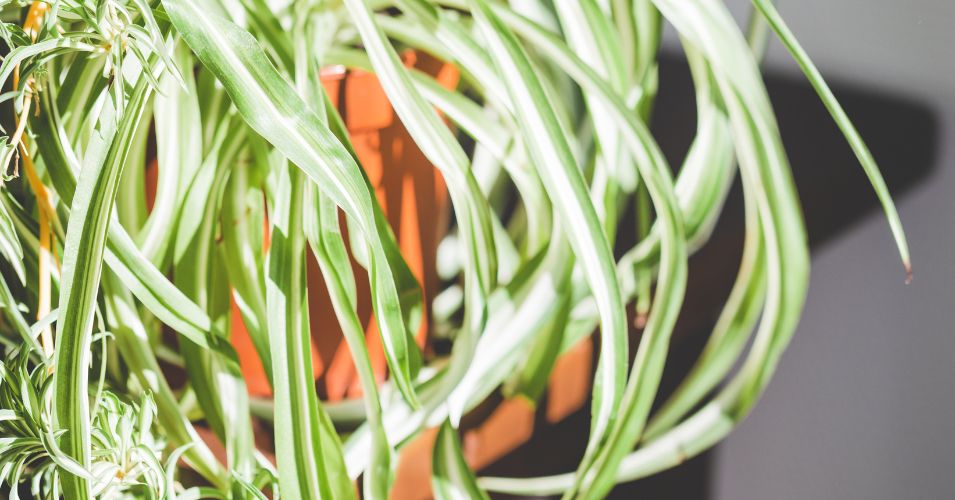
Spider plants have a reputation for being one of the easiest houseplants to grow, but even low-maintenance plants benefit from the occasional nutrient boost.
If your spider plant has stopped producing babies, its leaves look a little dull, or growth seems slower than usual, the right fertilizer could be the missing piece.
The good news is that you do not need harsh chemicals to keep it healthy. Natural fertilizers can provide the nutrients your plant needs while supporting healthier soil and reducing the risk of overfeeding.
In this guide, you will discover the best natural fertilizers for spider plants, how to use them, and which options are worth skipping.
Why Spider Plants Benefit from Natural Fertilizers
Spider plants are not fussy, which is one reason they have remained a favorite houseplant for decades. They can tolerate the occasional missed watering and still look great. Even so, the nutrients in potting soil do not last forever. After months of watering, much of what the plant needs has either been used up or washed away.
A natural fertilizer helps replace those nutrients without overwhelming the plant. Since organic fertilizers break down slowly, they provide a steady supply of nutrition instead of a sudden burst. That is a better fit for spider plants, which grow at a moderate pace and do not need heavy feeding to stay healthy.
You may notice the difference first in the leaves. A well-fed spider plant often produces fuller growth and richer green foliage, especially during spring and summer. Mature plants are also more likely to produce long stems with baby spider plants when they have enough energy to spare.
Natural fertilizers can improve the potting mix as well. Materials like compost and worm castings add organic matter that helps the soil hold moisture without becoming compacted.
They also encourage beneficial microbes, which gradually break down nutrients into forms that plant roots can absorb more easily. Healthy soil supports healthy roots, and healthy roots are the foundation of a thriving plant.
Another reason many people choose natural fertilizers is that they are forgiving. Spider plants are sensitive to a buildup of fertilizer salts, which is one of the main causes of brown leaf tips. Organic fertilizers are much less likely to create that problem when used in reasonable amounts.
The goal is not to make your spider plant grow as fast as possible. It is to give it consistent nutrition so it can produce healthy leaves, strong roots, and plenty of new growth over time. For most homes, a light feeding routine with a quality natural fertilizer is all a spider plant really needs.
The Best Natural Fertilizers for Spider Plants
Spider plants are not demanding when it comes to feeding, so you do not need a shelf full of products to keep them healthy. In most cases, one or two good natural fertilizers are all it takes.
If you only buy one, make it worm castings. They are packed with nutrients, easy to apply, and gentle enough that they are unlikely to damage the roots.
Unlike stronger fertilizers, worm castings release nutrients gradually, which suits the steady growth habit of spider plants. Work a thin layer into the surface of the potting mix every month or two during spring and summer.
Compost is another excellent choice, especially if you already make your own. It feeds the plant while improving the quality of the potting mix, something synthetic fertilizers cannot do. Even a small amount can freshen up tired soil and encourage healthier root growth.
For spider plants that have lost some of their color or seem slow to produce new leaves, fish emulsion can give them a gentle boost. Since it contains more nitrogen than compost or worm castings, it is best saved for occasional use rather than every watering. Always dilute it according to the label.
Seaweed extract is often sold as a fertilizer, although it is better thought of as a supplement. It supplies trace minerals that support healthy growth, but it works best alongside another fertilizer instead of replacing one.
Whichever option you choose, remember that spider plants respond better to light and regular feeding than to large doses. A healthy plant is far more likely to come from a simple routine than from constantly trying new products.
Natural Fertilizer vs. Synthetic Fertilizer for Spider Plants
Both natural and synthetic fertilizers can help spider plants grow, but they do not behave the same way once they are added to the soil. Knowing the difference can help you decide which option better suits your plant and your gardening style.
Natural fertilizers release nutrients gradually. As compost, worm castings, and other organic materials break down, they feed the plant over time instead of all at once. That slower pace suits spider plants because they are not heavy feeders to begin with. You are also less likely to run into problems caused by excess fertilizer.
Synthetic fertilizers work much faster. The nutrients are immediately available, which can encourage quick bursts of new growth. That sounds appealing, but it also leaves less room for mistakes. Applying too much or fertilizing too often can damage the roots and leave brown tips on the leaves, a problem many spider plant owners have dealt with at some point.
There is also a difference in what happens below the surface. Organic fertilizers improve the soil as they break down, creating a healthier environment for the roots over time. Synthetic fertilizers mainly supply nutrients without adding anything that improves the potting mix itself.
For most people growing spider plants indoors, natural fertilizers are the easier option to manage. They provide reliable nutrition, they are forgiving if you accidentally use a little too much, and they fit well with the slow, steady growth that spider plants are known for.
Synthetic fertilizers certainly have their place, especially if a plant needs a quick boost, but they demand a bit more care. If your goal is to keep a spider plant healthy year after year instead of pushing rapid growth, natural fertilizers are usually the better long-term choice.
How to Feed Spider Plants for Healthy Growth Without Overfertilizing
When it comes to fertilizing spider plants, restraint usually gives better results than enthusiasm. These plants do not need constant feeding, and adding more fertilizer than necessary will not make them grow twice as fast. In many cases, it does the opposite.
The growing season is the best time to feed your spider plant. As temperatures warm up and daylight increases, the plant naturally begins producing fresh leaves and, if it is happy, plenty of spiderettes. A light application of a natural fertilizer every four to six weeks is more than enough for most indoor plants.
Before adding any liquid fertilizer, water the soil first. Moist soil helps spread nutrients more evenly and reduces the chance of stressing the roots. It is a simple step, but one that many people skip.
It also helps to keep an eye on the plant instead of sticking to a strict schedule. A spider plant with deep green leaves and regular new growth probably does not need extra feeding. On the other hand, slow growth during spring or pale new leaves can be signs that the potting mix has run out of nutrients.
If you notice brown leaf tips soon after fertilizing, take it as a reminder to ease back. While those brown tips can have several causes, too much fertilizer is one of the most common. Flushing the pot with clean water every few months can help wash away any excess minerals that have built up in the soil.
You can also put the fertilizer away once winter arrives. Spider plants grow much more slowly during the colder months, so there is little benefit in feeding them until active growth returns in spring.
Keeping a spider plant healthy does not require a complicated routine. Good light, sensible watering, and occasional feeding with a natural fertilizer are usually all it takes to keep the leaves full, the roots strong, and new baby plants appearing year after year.
Common Fertilizing Mistakes That Harm Spider Plants
The biggest mistake people make with spider plants is assuming they need more fertilizer than they actually do. These plants grow quite happily with only occasional feeding, so adding extra nutrients usually creates problems instead of solving them.
Brown leaf tips are one of the first warning signs. While they can have several causes, fertilizer buildup is a common one. Over time, excess minerals collect in the potting mix and make it harder for the roots to take up water. Flushing the soil with clean water every few months can help wash those minerals away.
Another mistake is feeding a plant that is not actively growing. Spider plants slow down during autumn and winter, particularly when they are kept indoors. Fertilizer applied during this period often sits unused until growth begins again in spring.
It is also worth looking at the bigger picture before blaming a lack of nutrients. A spider plant sitting in a dark corner or growing in compacted, exhausted potting mix will not suddenly thrive because you added fertilizer. Sometimes moving it closer to a bright window or repotting it into fresh soil makes a far bigger difference.
The easiest way to avoid fertilizer problems is to keep things simple. Feed lightly during the growing season, skip the heavy applications, and let the plant tell you when it needs attention. Spider plants are forgiving, and they usually reward steady care far more than frequent feeding.
Final Thoughts
Spider plants have earned their reputation as easy houseplants, and feeding them should be just as straightforward. A quality natural fertilizer used now and then is usually enough to keep them healthy without encouraging weak or overly fast growth.
If you are unsure where to start, compost or worm castings are hard to beat. They provide gentle nutrition, improve the potting mix, and are far less likely to cause problems than stronger fertilizers. Combined with bright indirect light and a consistent watering routine, they give spider plants everything they need to thrive.
It is easy to assume that more fertilizer means a bigger, healthier plant, but that is rarely the case. Spider plants respond best to steady care rather than constant attention.
Keep the feeding simple, pay attention to how your plant responds, and let it grow at its own pace. With that approach, you can expect healthy foliage and plenty of spiderettes for years to come.