
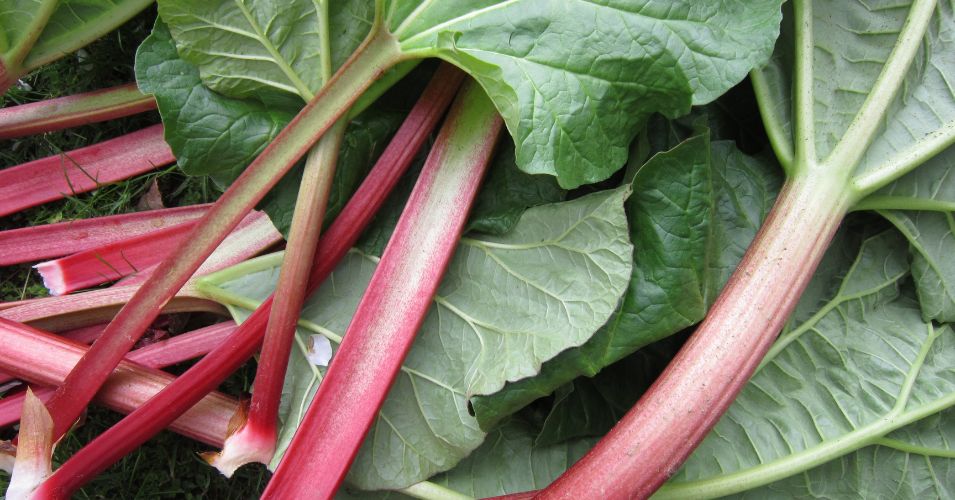
Rhubarb has been growing in home gardens for generations, and many gardeners would not be without it. Its thick stalks are one of the first edible crops to appear each spring, making it a welcome sight after winter.
Yet despite its long history, rhubarb is quietly disappearing from some gardens. It is not because the plant has suddenly become difficult to grow.
Instead, changing gardening habits, smaller growing spaces, and different cooking preferences have led many people to replace it with other crops.
Here are some of the most common reasons gardeners decide it is time to stop growing rhubarb.
Why Rhubarb Demands More Patience Than Many Gardeners Expect
One of the biggest surprises for new rhubarb growers is how slowly everything happens.
People who are used to planting tomatoes or zucchini often expect the same quick payoff, only to discover that rhubarb has its own timetable. It is a perennial, which means it is built for the long haul rather than rapid results.
That can be disappointing at first. After planting a crown, the temptation to pick the first healthy stalks is hard to resist. Most gardening experts recommend leaving the plant alone during its first year so it can put its energy into developing a strong root system.
Even in the second year, harvesting should be light. It often takes three seasons before a plant reaches the size and productivity that gardeners picture when they first buy it.
Not everyone enjoys waiting that long. Many people start a vegetable garden because they want fresh food as soon as possible. Radishes, spinach, lettuce, and beans can all produce a harvest within weeks. Rhubarb asks for much more patience, and some gardeners lose interest before the plant reaches its peak.
The weather can make the process feel even slower. Rhubarb grows best during cool spring conditions. If spring is unusually warm or dry, growth may be less impressive than expected. Gardeners who are already waiting for a worthwhile harvest can become discouraged when nature slows things down even further.
Harvesting also requires a little self-control. Pulling too many stalks weakens the plant, so it is important to leave plenty behind to support healthy growth. For gardeners who like picking vegetables whenever they see them ready, this can feel surprisingly restrictive.
Those who stick with rhubarb are usually rewarded with a dependable plant that can produce for many years. The challenge is reaching that point. In a world where many vegetables deliver results almost immediately, rhubarb asks gardeners to think several seasons ahead. Some enjoy that approach, while others would rather fill their beds with crops that provide quicker rewards.
When Garden Space Becomes Too Valuable for One Plant
Space is one of the most valuable resources in any garden. Whether someone grows vegetables in a large backyard or a handful of raised beds, every planting decision comes with a trade-off. Rhubarb often ends up on the list of plants that gardeners reconsider because it claims a permanent spot for a very long time.
A mature rhubarb plant is not small. As the years pass, it develops into a wide clump with large leaves that spread well beyond the crown. It is an impressive sight, but it also limits what can be planted nearby. Many vegetables need full sunlight and open space, both of which become harder to find around an established rhubarb patch.
This is less of an issue in a large garden, but it matters in smaller spaces. Gardeners with compact plots usually want every corner to earn its place. They often choose crops that can be replanted several times during the season or varieties that produce continuously from early summer into autumn.
Rhubarb follows a different pattern. Most harvesting takes place during spring and early summer. Once the picking season is over, the plant remains in the ground, yet it no longer provides fresh stalks for the kitchen. It still has an important job because the leaves feed the roots for next year’s growth, but the space cannot be used for something else.
Changing cooking habits influence these decisions as well. Tomatoes, peppers, herbs, cucumbers, and salad greens appear in everyday meals, so many gardeners prefer to give those crops more room.
Rhubarb, on the other hand, is often saved for pies, crumbles, jams, or an occasional dessert. If those recipes are only made a few times each year, dedicating a large section of the garden to one plant becomes harder to justify.
For gardeners with plenty of space, this may never be a problem. For everyone else, every square foot has to work hard. That simple calculation is one reason some people eventually replace rhubarb with crops that fit more easily into their changing gardens.
The Harvest Often Outlasts the Appetite
The first rhubarb harvest of the year is something many gardeners look forward to. After a long winter, those thick, colorful stalks are among the earliest signs that the growing season has truly begun.
The excitement usually lasts through the first pie or crumble, but after that, reality often sets in. A mature rhubarb plant can produce far more than the average household actually needs.
Unlike vegetables that become part of everyday meals, rhubarb has a fairly limited role in the kitchen. Most people use it for desserts, jams, sauces, or the occasional batch of muffins. Those recipes are enjoyable, but they are not made every week. Once the family has had its favorite rhubarb treats, the remaining harvest can quickly become difficult to use.
Some gardeners chop and freeze the extra stalks for later in the year. Others make jam or look for new recipes to keep things interesting. Even then, there is usually a point where enough is enough. Freezer space is valuable, and many people would rather save it for berries, sweet corn, or meals that are ready to heat and eat.
Giving rhubarb away sounds like the obvious answer, but that only works for so long. Friends and neighbors are often happy to take a bundle once or twice. After a few years, they may already have more than they need, especially in neighborhoods where several people grow the plant. It is not unusual for perfectly good stalks to end up on the compost heap simply because nobody wants them.
That experience changes the way some gardeners look at rhubarb. Instead of seeing a heavy crop as a success, they begin to wonder whether they would rather have a smaller harvest of something they use every week.
Tomatoes, herbs, lettuce, and peppers disappear from the kitchen almost as quickly as they are picked. Rhubarb rarely does. When a plant consistently produces more than the household can enjoy, it often becomes one of the first crops to disappear when the garden is redesigned.
Common Problems That Make Rhubarb Less Rewarding
Rhubarb has a reputation for being one of the easier perennial vegetables to grow, but that does not mean it looks after itself forever. A plant that has been thriving for years can gradually lose its vigor, leaving gardeners with thinner stalks and smaller harvests than they remember. When that happens, enthusiasm often fades.
One of the most common reasons is an overcrowded crown. As the plant ages, the clump becomes larger and more congested. Unless it is divided every few years, the stalks often become noticeably smaller. Dividing a mature plant is not especially difficult, but it is another job that many people would rather avoid.
Growing conditions can also make a surprising difference. Rhubarb performs best in rich soil that stays evenly moist through spring. In dry ground, or during long spells of hot weather, the plant often struggles. Stalks stay shorter, growth slows, and the harvest may finish earlier than expected. Gardeners in warmer climates sometimes find that rhubarb never performs as well as it does in cooler parts of the country.
Poor drainage creates a different set of problems. Rhubarb dislikes sitting in wet soil, particularly during winter. If the crown remains waterlogged for long periods, rot can develop and weaken the plant. By the time the damage becomes obvious, recovery is not always possible.
There are smaller frustrations too. Flower stalks appear now and then and should be removed before they take energy away from the edible stems. Slugs sometimes chew on young growth, while neglected plants become harder to weed as the leaves spread across the bed.
None of these problems is especially serious on its own, but together they can make rhubarb feel less carefree than many gardening books suggest.
For gardeners who enjoy the plant, those extra jobs are simply part of the routine. Others look across the garden and see vegetables that produce more often, require less attention, and fit better with the way they cook today. That is often enough to make rhubarb one of the first plants they choose not to replace.
Why Some Gardeners Still Choose Other Crops Instead
Choosing what to grow has become much more complicated than it was a generation ago. Garden centers now stock dozens of tomato varieties, unusual peppers from around the world, compact fruit bushes, and vegetables that were once difficult to find.
With so many options available, every plant has to justify the space it occupies.
For many gardeners, that comes down to one simple question. How often will it end up on the dinner table?
That question does not always work in rhubarb’s favor. Most people have only a handful of recipes that call for it, and they may only make them once or twice each spring.
A tomato plant, on the other hand, can supply sandwiches, salads, pasta sauces, and countless other meals for weeks. Fresh herbs are clipped almost every day, while beans, cucumbers, and peppers continue producing through much of the summer.
The way people garden has changed too. Raised beds, small urban gardens, and container growing have become increasingly popular.
These spaces encourage gardeners to think carefully about every planting decision. A crop that occupies the same spot year after year is harder to justify when that space could grow several different vegetables over the course of one season.
Many people also enjoy trying something new each year. One spring they may experiment with purple carrots, the next with unusual squash or specialty lettuce. Annual crops make that possible because the layout can change from one season to the next. Rhubarb is different. Once it is established, it is usually left where it is for many years.
That does not mean gardeners have stopped appreciating it. Many still keep a well-established plant tucked into the corner of the garden, knowing it will provide reliable harvests every spring. Others eventually decide they would rather use that space for crops they harvest more often or ingredients they cook with every week.
Neither choice is right or wrong. It simply reflects the way home gardens continue to evolve as people’s habits and priorities change.
Final Thoughts
Rhubarb is one of those plants that people either keep for decades or quietly stop replacing. It is dependable, long-lived, and capable of producing generous harvests, but it is not the perfect fit for every garden.
As growing spaces become smaller and cooking habits continue to change, many gardeners are giving more room to crops they use every day. That shift has little to do with rhubarb itself. In most cases, it simply comes down to making the best use of limited space and growing food that suits the household.
For gardeners who love homemade crumbles, pies, and jam, rhubarb will probably always deserve a place in the garden. For everyone else, replacing it with another favorite crop is just another sign that gardens change along with the people who grow them.