
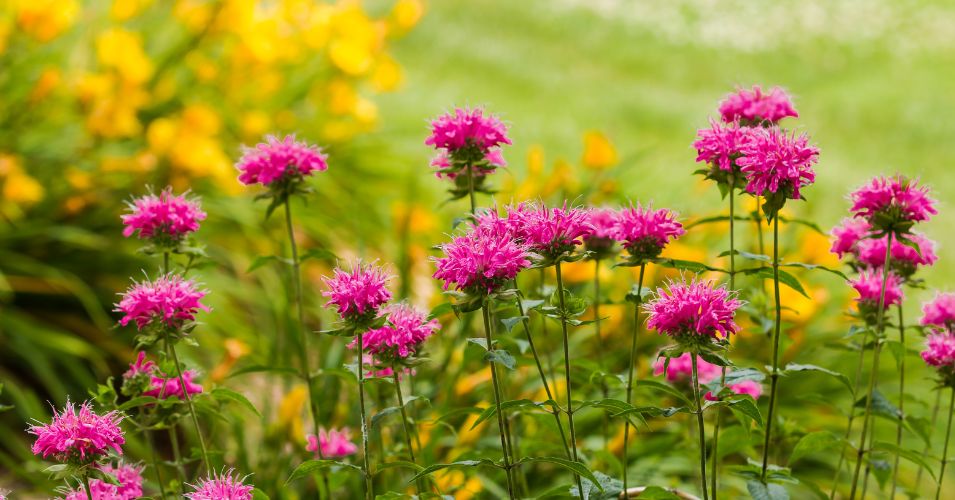
Bee balm has a way of winning people over. It fills the garden with bold, colorful flowers, draws in bees and butterflies by the dozen, and brings a burst of life just as summer reaches its peak.
It seems like the perfect perennial, which is why so many gardeners give it a try. The surprise comes after it has been growing for a while.
What starts as an exciting addition can slowly become one of the most demanding plants in the flower bed. Before long, some gardeners decide the extra work is not worth it.
Here is why bee balm often loses its place in the garden.
Bee Balm Looks Wonderful Until the Problems Appear
It is easy to understand why so many gardeners fall in love with bee balm. The flowers are bright, unusual, and packed with nectar that attracts bees, butterflies, and hummingbirds throughout the summer.
A healthy clump in full bloom quickly becomes the center of attention, making the plant seem like an obvious choice for borders and pollinator gardens.
That excitement often lasts until the plant has been in the garden for a season or two.
Many gardeners discover that bee balm is not quite as carefree as it first appears. The biggest frustration is usually powdery mildew, a fungal disease that leaves the foliage covered with a pale, dusty coating.
The flowers may still look attractive, but the leaves can appear unhealthy long before the blooming season is over. A plant that looked spectacular in June can seem tired and neglected by August.
Weather has a lot to do with the problem. Warm temperatures, high humidity, and poor air circulation all create conditions where mildew spreads more easily. Even gardeners who water carefully and keep their beds tidy are sometimes surprised by how quickly the disease appears.
Choosing resistant varieties can help, but no selection is completely immune when conditions are favorable for fungal growth.
Appearance matters in ornamental gardens, which is why this issue becomes such a deal breaker for some people. Bee balm is usually planted where it can be admired, not tucked away in a forgotten corner. Once the leaves lose their fresh green color, the entire planting can look less appealing, even though pollinators continue to visit every day.
There are other disappointments as well. Older stems may flop after heavy rain, the lower leaves can thin out as the season progresses, and crowded plants often become less vigorous than they were during their first year. None of these problems are disastrous on their own, but together they change how gardeners feel about the plant.
Many people start with high expectations because bee balm looks so impressive in garden centers and online photos. After living with it through several growing seasons, some decide the maintenance and cosmetic issues outweigh the beauty of its colorful blooms.
When Fast Growth Turns Into Extra Garden Work
Fast-growing plants sound like a dream when a new garden is taking shape. Bee balm fills empty spaces quickly, produces plenty of flowers, and creates a mature-looking border much sooner than many other perennials. That rapid growth is one of its biggest selling points, but it can also become one of its biggest drawbacks.
As bee balm settles in, it spreads through underground rhizomes that gradually push new shoots beyond the original planting area. The expansion is not always obvious at first. Each year the patch grows a little wider, and before long it begins sharing space that was meant for other plants.
Gardeners who enjoy neat, well-planned beds often find themselves pulling unwanted shoots or digging up sections to keep everything under control.
Dividing mature clumps every few years is also recommended because crowded plants tend to bloom less and are more likely to develop disease problems. The job is not especially difficult, but it does require time and effort that many people were not expecting when they first planted bee balm.
Its vigorous nature can also upset the balance of a mixed border. Smaller perennials may struggle for sunlight, while slower-growing plants are gradually squeezed into tighter spaces. A garden that once looked carefully arranged can begin to feel crowded unless regular maintenance keeps bee balm in check.
Routine pruning adds another task to the list. Many gardeners cut back stems early in the season to encourage bushier growth and improve air circulation. Removing faded flowers keeps the plant looking tidy and can extend the blooming period, but it also means spending more time with pruners in hand throughout the summer.
None of this makes bee balm a bad plant.
It simply makes it a plant that asks for more attention than many gardeners expect. Those who enjoy dividing, pruning, and reshaping their borders often continue growing it for years.
Others eventually replace it with perennials that stay in place, hold their shape, and demand far less work from one season to the next.
Pests, Diseases, and Seasonal Frustrations
Every garden has its share of problems, and bee balm is no different. The trouble is that several small issues tend to show up over the course of a single growing season. On their own, they are manageable. Together they can make the plant feel like more work than it is worth.
Powdery mildew gets most of the attention, and for good reason. Once the white coating starts creeping across the leaves, the plant loses much of its fresh appearance.
Gardeners are often surprised because the flowers can still be putting on a great display while the foliage underneath looks as though it has been neglected for weeks. It creates an odd contrast that is hard to ignore, especially in a carefully maintained flower bed.
Insects add another layer of frustration. Aphids are common on young shoots in spring, while spider mites sometimes appear when the weather turns hot and dry. Neither pest is guaranteed to become a major problem, but both can leave the plant looking stressed if they are allowed to build up.
Fortunately, natural predators often help keep populations under control, although that is not always enough to prevent visible damage.
The weather can also work against bee balm. A spell of heavy rain may leave tall stems leaning in every direction, while several weeks of summer heat can cause older leaves to fade long before flowering has finished. By late summer, the plant often looks very different from the picture that convinced someone to buy it in the first place.
None of these setbacks are especially unusual in the gardening world. Plenty of plants have their quirks. The difference is that bee balm seems to collect several of them at once.
After dealing with mildew, trimming damaged stems, and cleaning up tired-looking foliage for a few seasons, some gardeners begin to wonder whether another perennial might offer the same burst of color with fewer headaches.
The Perennials That Often Take Bee Balm’s Place
Giving up on bee balm does not usually mean giving up on pollinator-friendly gardening. In most cases, gardeners still want colorful flowers that attract bees, butterflies, and hummingbirds. They begin looking for plants that fit their gardening style a little better.
After removing bee balm, many people replace it with perennials that stay where they are planted and keep a tidy appearance for more of the growing season. Salvia is a popular choice because its upright flower spikes attract pollinators while requiring very little maintenance. Agastache is another favorite, offering long-lasting blooms and fragrant foliage that handles heat well in many gardens.
Catmint often finds its way into the same space for a different reason. It forms soft mounds of foliage, flowers for an extended period, and rarely becomes overwhelming. Coneflowers are another reliable option, producing large daisy-like blooms that continue feeding pollinators well into late summer while adding seed heads that birds enjoy later in the year.
Some gardeners also take the opportunity to rethink the entire planting bed. Instead of relying on one bold perennial to carry the display, they combine several plants that bloom at different times. This approach keeps the border colorful for longer and reduces the impact if one plant has a disappointing season.
That does not mean these alternatives are perfect. Every perennial has its own strengths and weaknesses, and even low-maintenance plants occasionally need dividing, watering, or pruning. The difference is that many gardeners feel the overall balance is easier to manage than it was with bee balm.
In the end, replacing bee balm is rarely about finding a better plant. It is about finding one that better matches the way someone likes to garden.
For some, bee balm remains an irreplaceable summer favorite. For others, trying a few different perennials leads to a garden that feels easier to maintain while still buzzing with pollinators throughout the season.
Is Bee Balm Still Worth Growing Today?
After reading about mildew, spreading roots, and seasonal maintenance, it would be easy to assume bee balm is a plant to avoid. That is not really the case. The reason it continues appearing in gardens year after year is simple.
When it is happy, few perennials put on a better summer display for pollinators.
A single clump can become one of the busiest spots in the yard. Bumblebees crawl from flower to flower, butterflies stop to feed, and hummingbirds often return several times a day. Many gardeners are willing to overlook imperfect foliage because the plant brings so much life into the garden.
Success usually comes down to planting it in the right place. Bee balm performs best where it receives plenty of sunlight and good air circulation. Giving each plant enough room to grow also reduces many of the problems that develop in crowded beds. Choosing a mildew-resistant variety will not solve every issue, but it can make the plant much easier to live with over the long term.
It also helps to be realistic about what bee balm offers. This is not the perennial that can be planted and forgotten for years. It benefits from occasional dividing, some seasonal pruning, and a little observation during humid weather. Gardeners who already enjoy spending time maintaining their borders rarely see those jobs as a burden.
Others want something different from their landscape. They prefer plants that hold their shape without regular attention and stay attractive from spring until autumn. For them, bee balm may never feel like the right choice, regardless of how impressive the flowers are.
That is why opinions on bee balm vary so much. The plant has not changed. Expectations have. If your goal is to create a lively pollinator garden and you do not mind giving it a little extra care, bee balm can still earn its place. If low maintenance gardening is the priority, there are plenty of other perennials that will be a better match.
Final Thoughts
Bee balm is one of those plants that gardeners either keep for decades or quietly remove after a few seasons. There is rarely much middle ground.
Its colorful flowers and ability to attract pollinators are difficult to match, but those strengths come with tradeoffs that become obvious once the plant is established. Fast growth, powdery mildew, and regular upkeep are enough to convince some gardeners to look elsewhere.
That does not make bee balm a poor choice. It simply means it suits certain gardens better than others. Knowing what to expect before planting it is far more important than following trends or choosing it because it is popular.
When its growing habits fit your gardening style, bee balm can still be one of the most rewarding plants in the summer border.