
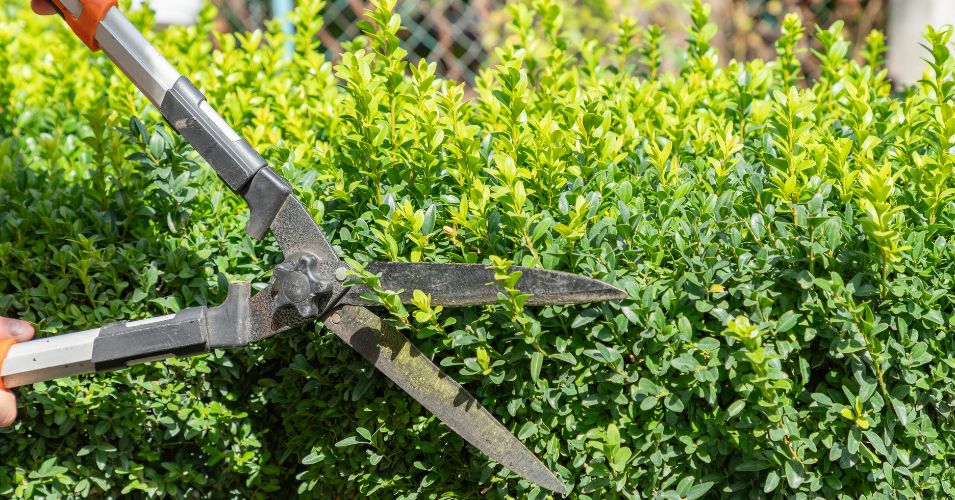
Boxwood has been a favorite landscape shrub for generations because it stays green all year and can be shaped to fit almost any garden.
Whether it forms a tidy hedge, frames a walkway, or stands alone as a rounded shrub, regular pruning helps it stay healthy and attractive.
The good news is that pruning boxwood is easier than many people think. Once you understand when to trim and how much to remove, the job becomes much less intimidating.
This guide covers the best pruning techniques, the right timing for every season, and simple tips for keeping your boxwood full, balanced, and growing well.
The Best Time to Prune Boxwood
Knowing when to prune is just as important as knowing how. Boxwood usually responds well to trimming, but cutting at the wrong time can leave it with damaged new growth or an uneven appearance.
For most shrubs, late spring is the sweet spot. By then, the first burst of new growth has finished, making it much easier to see the plant’s natural shape. A careful trim at this point encourages fresh growth without putting unnecessary stress on the shrub.
Summer is fine for smaller jobs. If your boxwood has a few branches sticking out or a formal hedge has lost its crisp outline, a light trim can tidy everything up. Just avoid heavy pruning during long stretches of hot, dry weather. The shrub is already working hard to cope with the heat, and removing a lot of foliage can make that even more difficult.
As summer comes to an end, it is usually best to stop shaping the plant. Pruning in early fall can trigger new shoots that look healthy at first but may not survive once freezing temperatures arrive. Those young stems rarely have enough time to toughen before winter.
Winter is not the season for routine pruning either. Cold weather makes branches more brittle, and fresh cuts take much longer to recover. If you notice dead, broken, or diseased branches, go ahead and remove them. Otherwise, wait until spring returns.
Younger boxwood shrubs often need little more than light shaping while they are filling out. Older plants can tolerate more pruning, but they still benefit from regular maintenance instead of a major haircut every few years.
A simple routine of pruning at the right time each year will keep your boxwood thick, tidy, and much easier to manage.
How to Prune Boxwood Without Damaging It
A good pruning job starts before the first branch is cut. Spend a minute looking over the shrub from different angles. You will usually notice uneven growth, damaged stems, or branches that have grown farther than the rest.
Having a plan makes it much less likely that you will remove more than you intended.
Clean, sharp tools make a real difference. Dull blades can tear branches instead of slicing through them cleanly, leaving wounds that take longer to heal. Wiping the blades before you start is also a good habit, especially if you have been pruning other shrubs.
The first branches to remove are always the unhealthy ones. Cut away anything dead, broken, or obviously diseased. Once those are gone, you can focus on shaping the healthy growth.
Rather than clipping every branch to the same length, make selective cuts just above a pair of leaves or where a smaller branch joins a larger one. This encourages new growth while helping the shrub keep a more natural appearance. Random shearing often leaves a dense outer shell with bare wood hidden inside.
Resist the temptation to remove too much at once. In most cases, taking off no more than about one third of the shrub during a season is plenty. If your boxwood has become badly overgrown, restoring it over two or three years usually produces much better results.
As you work, step back every few minutes. A shrub can look perfectly even from a foot away but noticeably lopsided from across the yard. Looking at the bigger picture helps you spot small problems before they become obvious.
Once you are finished, clear away the clippings and give the shrub a deep drink if the weather has been dry. With careful cuts and a little patience, your boxwood will recover quickly and continue filling out with healthy new growth.
Can You Prune Boxwood in Summer or Fall?
Summer pruning is perfectly fine as long as you keep it light. In fact, many gardeners give their boxwood a quick trim once the spring growth starts to settle down. This is often enough to tidy the outline and remove branches that have grown faster than the rest.
Early summer is usually the safest time for this. The shrub is still growing, so small cuts heal quickly, and new leaves continue filling out the shape. Formal hedges often need this extra trim to stay crisp through the rest of the season.
Things change once the weather becomes very hot. If temperatures stay high for days or the soil is dry, it is better to wait. Removing a lot of foliage during stressful weather can expose leaves that were shaded before, sometimes causing them to scorch in the sun. If the shrub looks healthy, there is no harm in leaving it alone until conditions improve.
Fall is another story. While it may seem like a good time to clean up the garden, boxwood rarely benefits from a heavy trim this late in the year. Fresh shoots that appear after pruning often remain soft as winter approaches. A hard freeze can damage that new growth before it has a chance to mature.
That does not mean you should ignore the shrub completely. Dead branches, storm damage, or diseased wood can be removed whenever you notice them. Those cuts help the plant instead of slowing it down.
If you miss the ideal pruning window, waiting until the following spring is usually the smarter choice. Boxwood responds much better to patience than to unnecessary trimming. A shrub that keeps plenty of healthy leaves through fall is far more likely to come through winter looking green and full.
How to Shape Boxwood for a Full and Healthy Look
A full boxwood is usually the result of regular, gentle pruning instead of one major makeover. The shrubs that look thick and evenly shaped have often been trimmed a little at a time over many years.
Before making any cuts, stand back and look at the whole plant. It sounds simple, but it is easy to lose track of the overall shape when you are focused on individual branches. Walking around the shrub gives you a much better idea of where it needs attention.
Start with the shoots that stick out the farthest. Removing those first instantly improves the shape without taking away too much foliage. As you work, step back every few minutes to see how the shrub looks from a distance.
Keep the bottom slightly wider than the top. This small detail makes a big difference over time because it allows sunlight to reach the lower branches. When the upper part grows too wide, the bottom slowly loses leaves and becomes thin.
If you are shaping a hedge, use slow, steady passes instead of trying to finish everything in one sweep. Rounded shrubs take a little more patience. Move around the plant rather than trimming one side completely before starting the next. This makes it much easier to keep the shape balanced.
Do not chase perfection. A branch that seems slightly out of place today will often disappear once fresh growth fills in over the next few weeks. Taking off too much in search of a perfectly smooth outline usually creates bigger problems than leaving a few minor imperfections behind.
The best-looking boxwood rarely receives dramatic pruning. It simply gets regular attention, a few careful cuts each season, and enough time to grow back naturally. That steady approach keeps the shrub dense, healthy, and attractive year after year.
Can You Save an Overgrown Boxwood?
An overgrown boxwood is not always a lost cause. Even shrubs that have been ignored for years can often be improved with careful pruning. The key is accepting that the job is not finished in a single weekend. Bringing an old boxwood back into shape usually takes time.
Before picking up your pruners, check how healthy the shrub actually is. Scratch a small section of bark with your fingernail. Green tissue underneath means that branch is still alive. If most of the shrub is living wood, there is a good chance it can recover. If large sections are dead or badly diseased, replacing it may be the better option.
Late spring is usually the best time to begin restoring an overgrown boxwood. The plant is actively growing, making it easier for fresh shoots to appear after pruning.
Avoid cutting the shrub down to its final size all at once. That approach often leaves it looking bare and can slow its recovery. Instead, remove some of the oldest and longest branches first. Opening the center allows more sunlight and fresh air to reach parts of the shrub that may have been shaded for years.
If the boxwood is much taller or wider than you want, spread the work over two or three growing seasons. It requires more patience, but the finished result is usually much better than making one drastic cut.
Keep an eye on the shrub after pruning. Water it during long dry spells and continue removing any branches that die back. New growth often appears gradually, so do not assume the plant has failed if you do not see immediate results.
Some older boxwood shrubs never return to a perfectly formal shape, but many regain a healthy, full appearance with steady care. Taking your time gives the shrub the best chance to recover while avoiding unnecessary stress.
Final Thoughts
Boxwood responds well to regular care, and pruning is one of the simplest ways to keep it looking its best. You do not need to trim it constantly or chase a perfect shape. A few thoughtful cuts at the right time of year are usually enough.
Focus on pruning in late spring, use summer for small touch-ups if needed, and avoid heavy trimming once fall arrives. Those simple habits do more for the long-term health of the shrub than frequent cutting.
If your boxwood has become overgrown, do not rush the process. Gradual pruning almost always produces a stronger, better-looking plant than removing too much at once.
With patience and a consistent routine, a boxwood can remain dense, healthy, and attractive for decades, whether it is growing as a hedge, a foundation planting, or a neatly shaped specimen in the garden.