
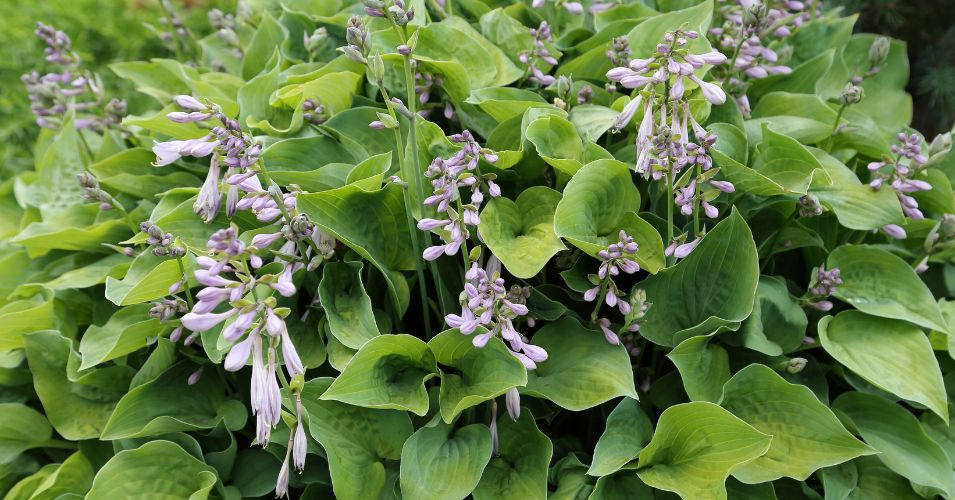
Hostas do not ask for much, but getting the watering right makes a noticeable difference. Too little moisture can leave the leaves looking limp and scorched, while too much can cause problems beneath the surface that you cannot see.
The good news is that watering hostas is not complicated once you understand how their needs change throughout the year. Instead of following a fixed schedule, it is better to work with the seasons and the conditions in your garden.
This guide explains when hostas need the most water, when you can ease off, and how to spot problems before they affect your plants.
How Often to Water Hostas in Spring
After months of dormancy, hostas emerge with tightly rolled shoots that seem to appear almost overnight.
Those tender leaves rely on steady moisture as they expand, but spring is rarely the time for heavy watering. In many gardens, seasonal rainfall provides much of what the plants need during these early weeks.
The biggest exception is newly planted hostas. Their roots have not yet spread beyond the planting hole, so they dry out faster than established plants. If rainfall has been limited, check the soil every few days and water whenever it begins to dry out. Keeping the root area lightly damp encourages the plant to settle in without leaving it sitting in water.
Older hostas are usually far less demanding. Cool spring temperatures slow evaporation, allowing the soil to stay moist for longer. Some weeks may pass without any need for supplemental watering, especially if regular rain keeps the garden hydrated.
Remember that rainfall counts toward your plants’ weekly water needs, so there is no benefit to watering simply because it is time on your schedule.
Spring weather can be unpredictable, though. A cool, wet spell may be followed by several warm, breezy days that dry the soil much faster than expected. Instead of sticking to a routine, adjust your watering as conditions change. That flexible approach is much more effective than watering on the same day every week.
This is also the perfect opportunity to tidy the area around your hostas. Removing weeds reduces competition for moisture, while a fresh layer of organic mulch helps the soil retain water as temperatures begin to climb. It is a simple job that often pays off once summer arrives.
A little attention during spring sets your hostas up for months of healthy growth. Strong roots developed early in the season are better able to support large leaves when warmer weather eventually arrives.
Watering Hostas During Summer
If hostas are going to struggle, summer is usually when it happens. Long days, high temperatures, and dry conditions place a much greater demand on plants than at any other time of year. Even hostas growing in shade lose moisture quickly when the weather stays hot for days on end.
Most established plants need around an inch of water each week, although that figure is only a guide. During a heatwave or an extended dry spell, they often need considerably more to keep the foliage looking fresh. Waiting until the leaves begin to wilt usually means the soil has already become too dry.
Newly planted hostas need more frequent watering than established plants, regardless of the season. Check them every couple of days until the roots have had time to spread.
Most hostas growing in the ground do not need daily watering, even in summer. A deep watering every few days is usually enough because it allows moisture to reach the roots and remain in the soil for longer. Daily watering is more likely to be needed for hostas growing in containers or during prolonged periods of extreme heat.
Give the plants a thorough soaking rather than a quick splash with the hose. Water that reaches deeper into the soil stays available for longer, allowing the roots to continue drawing up moisture between watering sessions. This also helps plants cope better if the next few days bring more heat.
Not every hosta will dry out at the same speed.
Plants growing beneath large trees often compete with thirsty roots below the surface, while those planted where they receive several hours of direct sun usually need more frequent watering than hostas in dense shade. A quick walk through the garden every few days is often enough to spot which plants need extra attention.
Container hostas need even closer monitoring. Soil in a pot heats up much faster than soil in the ground, so moisture evaporates quickly in warm weather. On particularly hot days, you may need to water once a day to stop the compost from drying out completely.
Summer watering is really about staying ahead of the weather. By keeping the soil from becoming excessively dry, your hostas are much more likely to hold their shape, maintain their rich color, and continue producing the bold foliage they are known for.
Do Hostas Need Water in Fall and Winter?
Many gardeners stop watering hostas as soon as the leaves begin to yellow, but that can be a little too soon. Although the foliage is starting to die back, the roots remain active for a while and can still benefit from moisture if the weather stays dry.
Autumn is usually much easier than summer for watering. Cooler temperatures slow evaporation, and seasonal rainfall often keeps the soil damp without much help from you.
If your garden has gone a week or two without meaningful rain, it is worth checking the soil. When it feels dry a few inches below the surface, give your hostas a thorough watering before leaving them to dry naturally again.
Once the foliage has completely collapsed and been cut back, the plant enters dormancy. At that point, it uses very little water because it is no longer producing leaves or putting energy into active growth. In most climates, natural rainfall is enough to carry hostas through winter without any extra attention.
There are a few exceptions.
Gardens in areas with mild, dry winters may need the occasional watering if the soil remains dry for several weeks. The goal is to stop the roots from drying out completely. Keeping the soil constantly wet offers no benefit and can cause more problems than it solves.
Container-grown hostas should also be checked from time to time. Potting mix loses moisture more quickly than garden soil, even during cooler weather. If the compost feels dry, add enough water to moisten it, then allow any excess to drain away. Avoid leaving pots standing in water over winter, particularly during long spells of cold, wet weather.
By the time spring arrives, your hostas should be well rested and ready to produce fresh shoots. A little care through autumn, followed by a hands-off approach during winter, is usually all they need.
Signs Your Hostas Are Getting Too Much or Too Little Water
Hostas rarely stay silent when they are unhappy. Their leaves often change long before the plant suffers lasting damage, giving you plenty of time to fix the problem.
The difficult part is knowing whether they are asking for more water or telling you they have already had too much.
A plant that is drying out usually begins to lose its fresh, full appearance. The leaves may droop, curl slightly, or develop dry brown edges if the lack of moisture continues.
Brown patches can also develop after prolonged exposure to strong afternoon sun. If the soil still feels moist, the damage may be caused by heat or excessive sunlight rather than a lack of water.
Growth often slows as well, and new leaves can appear smaller than expected because the plant is conserving water.
Those symptoms are a good reason to check the soil, not an automatic signal to start watering.
Hostas can look wilted on an exceptionally hot afternoon, even when there is still enough moisture beneath the surface. If the soil feels cool and damp, the plant will often recover once temperatures begin to fall later in the day.
Too much water creates a different set of problems, although they often appear more gradually. Leaves may turn pale or yellow, the plant may lose vigor, and the soil can remain wet for days after watering or rainfall. If those conditions continue, the roots struggle to get enough oxygen, making it harder for the plant to absorb water even though plenty is available.
That is why overwatered hostas sometimes resemble underwatered ones. Both can wilt, but the condition of the soil usually tells the real story. Dry soil points to a lack of moisture, while wet, heavy soil suggests the roots are under stress.
Getting into the habit of looking at both the plant and the ground around it makes watering much less of a guessing game. Once you learn how your hostas respond to different conditions, it becomes much easier to keep them healthy throughout the growing season.
Common Mistakes to Avoid When Watering Hostas
Hostas are forgiving plants, which is one reason they are so popular. Even so, a few simple watering mistakes can leave them looking tired long before the growing season is over.
One of the biggest mistakes is watering on a certain day of the week instead of when the plant actually needs it. Weather changes far too quickly for that approach to work all season. A heavy downpour can provide enough moisture for several days, while a hot spell can dry the soil in no time.
Another common mistake is reacting to drooping leaves without first checking the ground. During very hot afternoons, hostas often look wilted even when there is still plenty of moisture around the roots. Many plants recover on their own once temperatures begin to fall. Adding more water without checking the soil can easily make matters worse.
It is also easy to underestimate how much water to apply at a time.
A quick spray with the hose only wets the surface, leaving the deeper roots dry. Taking a little longer and letting the water soak into the soil usually yields much better results than watering lightly every day.
Some gardeners forget that different parts of the garden dry out at different speeds. Hostas planted beneath trees compete with large root systems, while those growing in containers can dry out surprisingly quickly during warm weather.
Looking after each plant according to its location works much better than treating every hosta the same.
Poor drainage is another issue that often gets overlooked. If water regularly pools around your hostas after rain, watering less frequently may not solve the problem. Mixing compost into the soil can improve drainage over time, while planting in a raised bed or a better-draining location may be the best solution for heavy clay soils.
The more time you spend watching your hostas, the easier watering becomes. Small adjustments throughout the season usually produce far better results than sticking to the same routine from spring until autumn.
Final Thoughts
There is no single answer to how often you should water hostas because every garden is different. What works in one location may be completely wrong in another, especially as the weather changes throughout the year.
Rather than relying on a strict schedule, pay attention to the soil, the forecast, and the condition of your plants. Those simple checks will tell you far more than the calendar ever could.
With a little practice, you’ll know when your hostas need a drink and when it is best to leave them alone. That balanced approach helps them stay healthy, produce larger leaves, and return year after year with the same dependable display.