
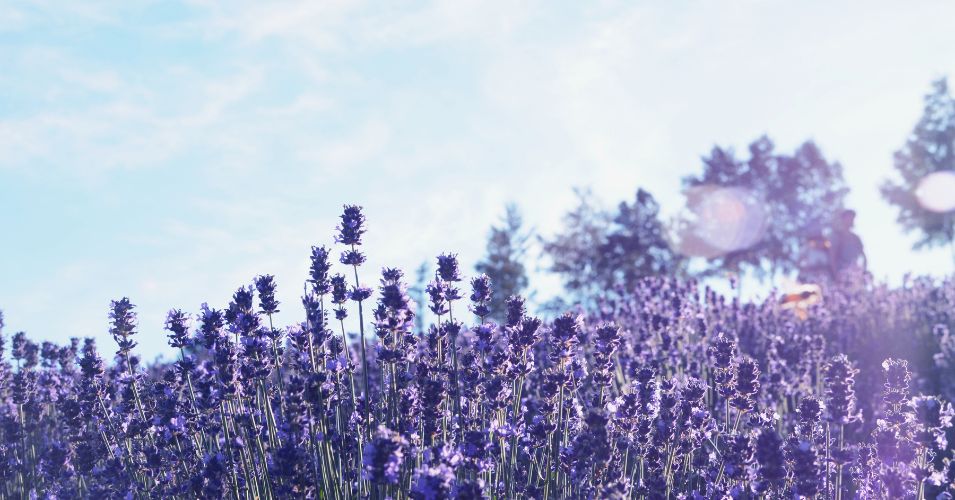
Lavender has long been one of the most popular plants for home gardens. Its fragrant flowers, silvery foliage, and ability to attract bees make it an easy choice for many gardeners.
Yet plenty of people who plant lavender eventually decide not to replace it once it dies. Some become frustrated by its growing requirements, while others discover it simply does not suit their climate or the way they like to garden.
If you have ever wondered why lavender disappears from so many gardens after a few years, the answer is usually much more practical than you might expect.
Lavender Is Not as Easy as Many People Expect
Lavender has a reputation for being one of the easiest plants you can grow. Browse a gardening magazine or spend a few minutes online, and you will probably come away thinking it practically looks after itself. That belief is one of the main reasons so many people end up disappointed.
The reality is that lavender is easy only when it is growing in the right conditions. Put it somewhere that suits it, and it can thrive for years with very little attention. Plant it in the wrong place, however, and it quickly becomes one of the more frustrating plants in the garden.
Many gardeners make their first mistake before the plant even goes into the ground. Lavender is often tucked into flower beds with roses, annuals, or shrubs that enjoy rich soil and regular watering. Those plants are perfectly happy with that arrangement.
Lavender is not. It prefers lean, well-drained soil that dries out between watering. Give it too much moisture, and the roots can begin to suffer long before the leaves show any obvious signs of trouble.
Sunlight is another detail that is easy to underestimate.
A spot that receives morning sun but afternoon shade might seem bright enough, yet lavender performs best when it spends most of the day in full sunshine. Without enough light, the stems stretch, flowering becomes less impressive, and the tidy mound that gardeners expect slowly loses its shape.
Pruning catches plenty of people by surprise as well. Lavender cannot simply be left alone year after year. Without an occasional trim, it becomes woody and sparse, producing fewer fresh shoots each season.
At the same time, cutting too deeply into old wood can damage the plant. That leaves many beginners wondering exactly how much they should remove.
None of these requirements are especially difficult once you know them. The problem is that lavender is often described as a plant that thrives on neglect. That simple message skips over the fact that neglect only works after the plant is growing in conditions it actually likes. Until then, a little knowledge makes all the difference.
Climate Can Turn Lavender Into a Constant Challenge
Even experienced gardeners sometimes struggle with lavender because the weather has the final say. A healthy plant in one part of the country can fail somewhere else, despite receiving the same care.
Lavender comes from regions where sunshine is plentiful, and the air stays fairly dry. Rain usually drains away quickly, leaving the roots in soil that never stays wet for long. Recreating those conditions is easy if you happen to live in a similar climate. If you do not, growing lavender becomes much less predictable.
Humidity is one of the biggest obstacles. In damp conditions, moisture hangs around the leaves and stems instead of drying away during the day. That extra moisture creates an environment where fungal problems are much more likely to appear. Even gardeners who water carefully cannot do much about weeks of humid weather.
Winter presents a different challenge.
People often assume freezing temperatures are what kill lavender, but wet soil is usually the bigger issue. When the roots sit in cold, soggy ground for weeks, the plant has little chance to recover. By spring, what looked healthy in autumn may have turned brown with no sign of fresh growth.
The weather can also become unpredictable at awkward times of the year. A spell of warm days in early spring encourages new shoots to appear, only for a late frost to damage that fresh growth a few nights later. Lavender often survives, but repeated setbacks leave plants looking tired and uneven.
Some gardeners respond by planting lavender in raised beds or searching for varieties that cope better with local conditions. Those changes certainly improve the odds, but they cannot change the climate itself. If the weather regularly works against the plant, keeping it healthy becomes an ongoing effort rather than an enjoyable part of gardening.
That is often the point where people decide enough is enough. Instead of fighting nature every season, they replace lavender with plants that are naturally suited to their local climate. The garden becomes easier to manage, and success comes with far less effort.
When Maintenance Becomes More Work Than Reward
There is nothing wrong with a plant that needs occasional care. Most gardeners expect to spend time pruning, watering, and tidying their borders throughout the year.
The frustration with lavender comes from the fact that it is often sold as a plant you can almost forget about. For many people, that promise does not match reality.
Pruning is the task that causes the most uncertainty. Lavender benefits from being cut back every year, but timing and technique both matter. Ignore it for too long, and the plant becomes woody with fewer flowers.
Cut into old wood by mistake and fresh growth may never appear. It is easy to understand why many gardeners become hesitant, especially after losing a mature plant they had grown for several years.
Keeping lavender looking attractive also takes more attention than some people expect. Once the flowers have faded, the dry stems can make the plant look tired if they are left standing.
Some gardeners enjoy deadheading because it keeps the garden neat. Others eventually decide they would rather grow plants that stay presentable without adding another job to the list.
The biggest challenge often comes from the rest of the garden.
Lavender likes dry conditions, while many neighboring plants need regular watering through summer. That leaves gardeners trying to strike a balance that rarely suits everything growing in the same bed.
Water enough for the surrounding flowers and lavender may suffer. Hold back for lavender’s sake and the other plants can struggle instead.
Age brings another problem. Even healthy lavender eventually loses the dense, rounded shape that makes it so attractive in the first place. The center becomes woody, flowering is less impressive, and replacing the plant often makes more sense than trying to revive it.
For gardeners with plenty of time, none of this is a deal breaker. For everyone else, lavender can slowly move from being a favorite plant to one that quietly disappears when it is time for the next trip to the garden center.
Pests, Diseases, and Other Frustrating Surprises
Lavender is certainly tougher than many garden plants, but that does not mean it escapes every problem. Gardeners often discover this only after a healthy-looking plant suddenly starts declining for no obvious reason.
Root rot catches people out more than anything else. It develops below ground, where the damage is hidden from view. By the time leaves begin yellowing or whole branches die back, saving the plant can be difficult.
Many people assume it needs more water because it looks stressed, when the opposite is usually true.
Wet weather creates other headaches as well. Long periods of rain or high humidity make it harder for the foliage to dry, increasing the chance of fungal diseases. Lavender that looked healthy at the beginning of summer can end the season with patchy growth, blackened stems, or areas that never recover.
Insects are usually a smaller concern, but they still make an appearance from time to time.
Aphids often gather on soft new shoots, while spittlebugs leave behind the familiar frothy foam that many gardeners notice during late spring. Neither pest is usually disastrous, but they are another reminder that lavender is not quite as carefree as its reputation suggests.
Sometimes the problem is not an insect or a disease at all. A week of relentless rain, an unusually cold winter, or a sudden late frost can undo months of healthy growth. Even experienced gardeners cannot prevent every setback when the weather refuses to cooperate.
After a few seasons, many people reach the same conclusion. They are not giving up because lavender is a bad plant. They realize other choices deliver just as much color and interest with fewer surprises along the way.
That makes the decision feel practical rather than disappointing.
What Gardeners Choose Instead of Lavender
Once gardeners stop trying to make lavender work, they rarely leave the space empty. Most replace it with plants that suit their garden better. The surprising part is that many never miss lavender once they discover how much easier those alternatives are to grow.
Salvias are one of the most common replacements. They produce colorful flower spikes for weeks, attract bees in large numbers, and recover quickly after being cut back. Unlike lavender, many varieties are more forgiving if the soil is slightly richer or the weather is less predictable.
Catmint has become another favorite for similar reasons. It creates the same relaxed cottage garden feel, softens the edges of paths and borders, and flowers over a long period with very little fuss. Even when it begins to look tired, a quick trim often encourages another flush of blooms.
Some gardeners decide fragrance matters less than reliability. Instead of chasing the classic lavender look, they fill borders with coneflowers, yarrow, salvias, or hardy geraniums.
These plants cope with a wider range of growing conditions and usually recover more quickly after a difficult season. The result is a garden that looks fuller for longer without demanding constant attention.
Others move in a completely different direction.
Shrubs, ornamental grasses, and evergreen plants provide structure throughout the year, even when flowers have faded. That extra texture often gives the garden a more balanced appearance than a collection of plants chosen for summer blooms alone.
Perhaps the biggest change is not the plants themselves but the gardener’s mindset. Instead of forcing a famous plant to grow where it clearly does not belong, they begin choosing varieties that naturally suit their soil and climate.
Gardening becomes less about fixing problems and more about enjoying success. For many people, that change is worth far more than keeping a lavender plant alive.
Final Thoughts
Lavender deserves its reputation in the right garden. When the soil drains well, the sun shines for most of the day, and the climate suits it, few plants match its fragrance or its display of purple flowers.
The trouble is that many gardens cannot offer those conditions. Rather than accepting that, people often spend years trying to make lavender thrive before realizing they are working much harder than they expected.
There is nothing wrong with deciding a plant is not the right fit. Every successful garden is shaped by local conditions, not by what happens to be popular. Sometimes the smartest decision is replacing a struggling favorite with something that grows happily from the start.
That is why so many gardeners stop growing lavender. Not because it is overrated, but because they discover that gardening is far more enjoyable when the plants are working with them instead of against them.