
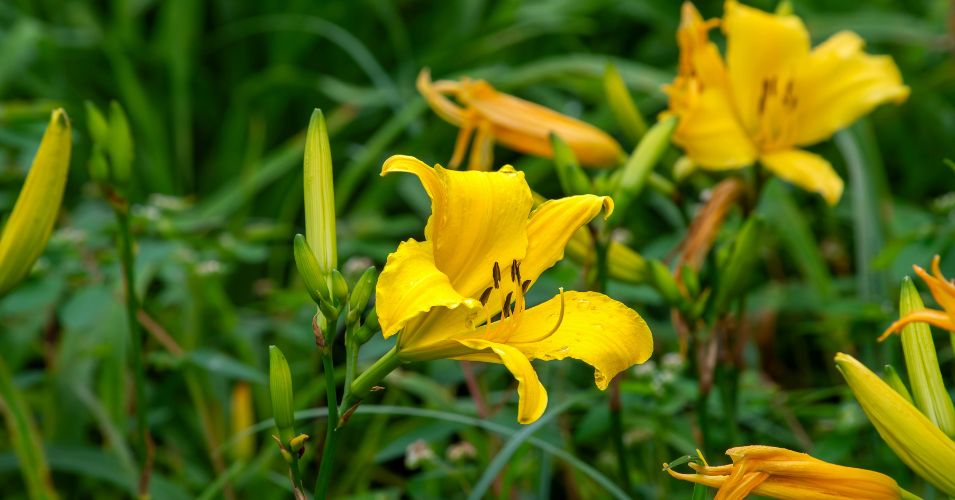
Daylilies are known for being easy to grow, but they still benefit from a little care throughout the blooming season. One task that often raises questions is deadheading.
Some gardeners remove every faded flower, while others leave the plants alone and let nature take its course. So, which approach is best?
The answer depends on what you want from your daylilies. Whether your goal is bigger floral displays, a tidier garden, or simply understanding how these popular perennials grow, knowing when and how to deadhead can help you get the most from every blooming season.
Should You Deadhead Daylilies?
The short answer is yes, you should deadhead daylilies if you want your plants to look their best throughout the growing season.
Although it is not required for healthy growth, removing faded flowers is a simple task that keeps the plant tidy and helps it direct its resources toward blooming instead of producing seeds.
Unlike many garden flowers that stay open for several days, a daylily bloom lives up to its name. Each flower opens for just one day before fading.
Fortunately, every flowering stalk holds multiple buds that open one after another, giving you weeks of colorful blooms. Once a flower has finished, however, it quickly begins to wilt, leaving behind a shriveled blossom that can distract from the fresh flowers still to come.
Taking a few seconds to remove those faded blooms instantly improves the plant’s appearance. Instead of seeing wilted petals mixed with vibrant new flowers, you’ll have a cleaner display where each bloom stands out.
In larger garden beds, this small habit can make the entire landscape look better maintained without adding much to your gardening routine.
Deadheading also reduces the chances of seed pods developing. When a flower is pollinated, the plant naturally shifts some of its energy toward producing seeds.
Removing spent blooms before that happens allows the plant to keep its attention on the remaining buds and healthy foliage. It will not create brand new flower buds, but it can help the plant make the most of the blooms it has already produced.
Of course, there are times when deadheading is not necessary. If you are growing daylilies simply for their natural beauty or want to collect seeds for propagation, leaving a few spent flowers in place is perfectly fine. The plants will continue to grow and return the following year regardless.
For most gardeners, though, the benefits outweigh the effort. A few minutes spent deadheading every few days keeps daylilies looking fresh, prevents unnecessary seed production, and allows the colorful blooms to remain the main attraction in your garden.
When to Deadhead Daylilies
Knowing when to deadhead is just as important as knowing how. The ideal time is shortly after a flower has finished blooming. Since each blossom lasts only a single day, yesterday’s flower is usually ready to remove by the next morning while today’s blooms are just beginning to open.
It does not take long to spot the flowers that are ready. Fresh blooms are firm, colorful, and fully open, while spent ones look limp, faded, and slightly shriveled. They often pull away from the plant with very little effort, making deadheading a quick job rather than a chore.
Many gardeners like to check their daylilies during an early morning walk around the yard. Cooler temperatures make gardening more comfortable, and the contrast between fresh and faded flowers is easy to see.
That said, there is no perfect hour for deadheading. If evenings fit your schedule better, removing spent blooms then works just as well. What matters most is staying on top of the task while the plants are actively flowering.
Keep deadheading throughout the blooming period, even as the number of open flowers starts to decline. Eventually, each flowering stalk will reach the point where every bud has opened and faded. Once that happens, you can remove the entire stalk near the base of the plant. This step keeps the clump looking neat and prevents the plant from wasting energy on seed production.
After flowering has finished, there is no need to remove the healthy green leaves. The foliage continues gathering energy that will be stored in the roots for next year’s blooms.
Leave the leaves in place until they naturally yellow or become damaged, then clean them up as part of your normal seasonal maintenance. Following this simple schedule helps keep daylilies healthy while ensuring they put on another impressive display the following season.
How to Deadhead Daylilies Correctly
Deadheading daylilies is simple once you know what you’re removing. Each flower blooms for a single day before fading, so you only need to remove the blossom that has finished, not the entire flower stalk.
Look for blooms that have become soft, shriveled, or faded in color. They are easy to spot because the fresh flowers nearby will still be fully open and vibrant. Most spent blooms pull away with a gentle pinch where the flower meets the small green base. If one is stubborn, use a pair of clean pruners rather than tugging hard enough to damage the stem.
After removing the faded flower, take a quick look behind it. If pollination has occurred, a small green seed pod may already be forming. Gardeners who are not interested in collecting seeds can remove the pod as well. This prevents the plant from spending energy on seed production when it could be supporting the remaining flowers instead.
One mistake beginners often make is cutting off the entire flower stalk too early. A single scape carries several buds that open over days or even weeks. Even if only one flower is open today, there may be many more waiting their turn. Leave the stalk alone until every bud has bloomed and no unopened buds are remaining.
At that point, cut the empty scape close to the base of the plant with clean pruning shears. The clump will immediately look neater, and you will make room for fresh growth without removing healthy leaves.
There is no need to rush through the job. Spending just a few minutes with your daylilies every couple of days is usually enough.
Along the way, you may notice yellowing leaves, insect damage, or weeds that would otherwise go unnoticed. Those quick checkups often do as much for the health of the plant as deadheading itself.
Deadheading Tips for Healthier, Longer Lasting Blooms
Deadheading works best when it becomes part of your normal garden routine rather than an occasional cleanup.
You do not have to inspect every plant every day, but checking your daylilies every few days during peak bloom keeps the task quick and prevents faded flowers from piling up.
Good watering habits make a noticeable difference as well. Although established daylilies can tolerate dry conditions, they produce a stronger flower display when the soil stays evenly moist. During hot weather, a deep soak is far more beneficial than frequent light watering because it encourages stronger root growth.
Healthy soil is another piece of the puzzle. Adding compost each year improves soil structure and provides nutrients that support steady growth. If you choose to fertilize, use a balanced product and avoid applying too much nitrogen.
Excessive leaf growth may come at the expense of flowers, leaving you with large plants but fewer blooms.
Patience also pays off after the flowering season ends. It can be tempting to cut the entire plant back once the last flower fades, but the green leaves are still doing valuable work. They continue collecting energy that is stored in the roots and used to produce next year’s flowers. Wait until the foliage naturally declines before removing it.
Keep in mind that not every daylily behaves the same way. Some varieties flower once each season, while reblooming types can produce another round of blossoms later in the summer. Learning how your particular plants grow will help you decide how often they need attention.
Deadheading is only one part of growing beautiful daylilies, but it is one of the simplest. A few minutes here and there can leave your plants looking cleaner, reduce unnecessary seed production, and help your flower beds stay attractive from the first bloom until the season comes to a close.
Common Mistakes That Can Hurt Your Plants
Daylilies do not ask for much, which is one reason they are such popular garden plants. Even so, a few simple mistakes can affect how they look and perform during the flowering season.
Cutting back a flower stalk too soon is probably the most common error. It is easy to assume the stalk has finished once the first flower fades, but each scape carries several buds that open one after another. Before removing it, take a close look to make sure every bud has already bloomed.
Another mistake is overlooking the development of seed pods. They begin as small green capsules behind the faded flower and can be easy to miss unless you are looking for them. If you are not saving seeds, remove the pods as you deadhead. Otherwise, the plant will continue to invest energy in seed production rather than maintaining healthy growth.
Some gardeners deadhead only when the plant is covered with faded blooms. While this will not damage the daylily, it does take away from its appearance. Regular touch-ups are much quicker, and they keep the display looking fresh throughout the season.
The condition of your tools matters too. Pruning shears with dull blades can leave rough cuts, while dirty tools may spread diseases between plants. Cleaning your pruners every so often and keeping the blades sharp is a small habit that can prevent larger problems later.
One final mistake has nothing to do with the flowers themselves. Once blooming ends, many gardeners are tempted to cut the entire plant back. Resist that urge if the leaves are still green. The foliage continues feeding the roots long after the flowers have disappeared, helping the plant build the energy it needs for next year’s display.
Fortunately, daylilies are resilient. Missing a few faded blooms or making the occasional mistake is unlikely to cause lasting damage. A little regular care and a bit of patience are usually all they need to reward you with another season of reliable color.
Final Thoughts
If you enjoy a tidy garden and want your daylilies to look their best, deadheading is well worth the effort. It only takes a few moments to remove spent blooms, yet the difference is easy to see: fresh flowers remain the focus rather than faded ones.
The key is knowing what to remove and when to leave the plant alone. Pick off old flowers as they fade, wait until a flower stalk has finished blooming before cutting it back, and allow the healthy foliage to remain until it naturally declines. Those simple habits support both the current season’s display and next year’s growth.
Daylilies have earned their reputation as dependable, low-maintenance perennials. Give them a little attention during the flowering season, and they will reward you with weeks of vibrant color that brighten the garden year after year.