
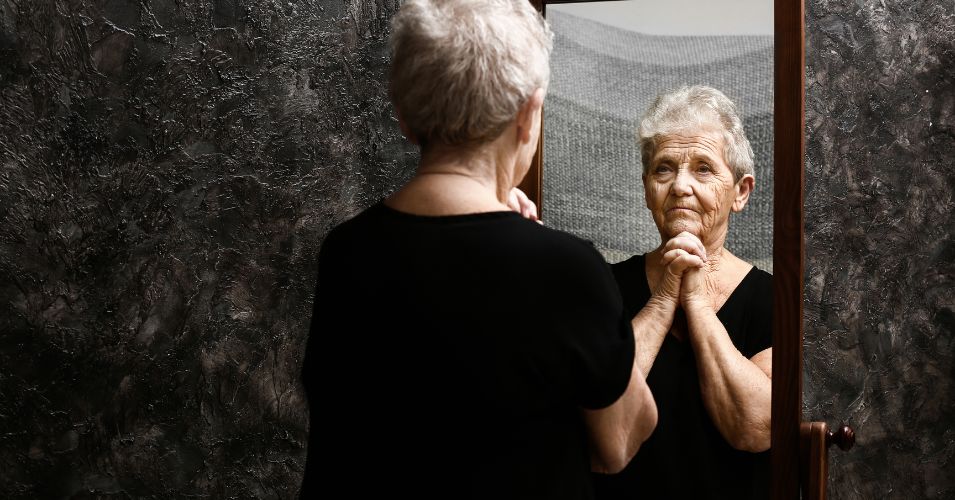
Reaching your 80s brings changes that are hard to ignore.
Your body moves differently. It heals slower, feels more tired, and responds in new ways.
These changes can be frustrating, surprising, or even a little scary at times. But they are also natural and shared by millions of others your age.
The key is to understand what is happening and how to care for yourself in this new stage.
You still have strength. You still have purpose. And there are many ways to support your body so you can feel safe, steady, and at peace in your daily life.
Why Your Muscles Feel Weaker Than Before
In your 80s, you may notice your muscles do not feel as strong as they once did. Lifting, standing, or even walking across the room can feel more tiring.
This is not your imagination. Muscle mass naturally decreases with age, especially if you are not moving as much as you used to.
Your body does not build strength as quickly anymore. Even small tasks can lead to soreness or fatigue that lingers longer than expected.
You might struggle with stairs or feel less steady when carrying groceries. Holding something for too long may leave your arms aching.
It can be frustrating to feel like your body is not cooperating. But this change is not a failure. It is part of the natural rhythm of aging.
The muscles shrink slightly with time. They do not fire as quickly or recover as easily as they once did.
Less movement often leads to more weakness. If you slow down for too long, the muscles begin to lose their memory of movement.
But you are not powerless in this. Gentle activity, done regularly, can make a real difference in strength and stamina.
Simple exercises like stretching, walking, or light resistance training help maintain muscle tone. Even lifting light objects during your day counts as movement.
Try moving each part of your body each day, even if it is just for a few minutes. Repetition builds strength over time.
You do not need to return to how things once were. The goal now is to support the muscles you still have and use them wisely.
Your strength has changed, but it is not gone. With attention and care, you can continue to move with purpose and steady control.
How Your Skin and Senses Begin to Shift
As the years pass, your skin begins to tell its own story. It becomes thinner, more delicate, and quicker to bruise.
You may notice more wrinkles, dryness, and spots that were not there before. These changes happen naturally as your skin loses some of its elasticity and oil.
Skin heals slower in your 80s. A small scratch or sore may take longer to fade than it did just ten years ago.
Even bathing habits may change. Your skin may feel more sensitive to hot water, strong soaps, or rough fabrics.
Staying hydrated helps from the inside out. Drinking water supports skin that feels dry or tight.
Gentle lotions and soft clothing can ease the discomfort that comes with these changes. Keeping your skin covered from the sun also protects it from damage.
At the same time, your senses begin to shift. Vision may blur more easily, especially in low light or when reading small print.
Hearing may become less sharp. You might find it harder to follow conversations in noisy places or catch certain tones and pitches.
Taste and smell can also fade. Food may not seem as flavorful, and scents may be harder to notice.
These changes can feel subtle at first. But over time, they start to affect how you move through your day.
You might eat less without realizing it. Or you may not hear a knock at the door as clearly as before.
This does not mean your life is shrinking. It means your world is changing in quiet ways that deserve attention.
By adjusting your routines, using helpful tools, and being gentle with your body, you can stay connected and comfortable.
Your skin and senses may shift, but you are still fully present. You still see beauty, feel touch, and enjoy the world in your own way.
What Slower Digestion Means for Daily Life
Digestion tends to slow down as you reach your 80s. Food moves through your system more gently, but sometimes more slowly than your body would prefer.
This can lead to feelings of fullness that last longer. You may eat less, not out of choice, but because your stomach does not empty as quickly.
Constipation becomes more common. You may not feel the urge to go as often, or it may feel more difficult when you do.
Gas and bloating can also increase. Certain foods that once felt fine now sit heavily or cause discomfort.
You might begin avoiding meals or skipping certain foods to prevent these issues. But this can also reduce your overall nutrition.
Eating less fiber, drinking less water, or taking medications that slow digestion can all add to the problem.
You may feel more tired after meals. Your body uses more energy to process what you eat, which can lead to sleepiness or sluggishness.
Some people begin to lose interest in food altogether. But regular meals are still important, especially when your body needs steady energy.
Smaller portions eaten more often may help. Foods that are soft, warm, and easy to digest tend to feel better on the stomach.
Warm liquids, herbal teas, and daily movement can also help keep your system active. Even short walks after meals can make a big difference.
Speak with your doctor if digestive discomfort becomes a daily struggle. There may be medications or small diet adjustments that help ease your symptoms.
Your digestive system may be slower now, but it still works. It just needs more patience and support than it once did.
You can still enjoy your meals and feel good afterward. It starts with understanding what your body now needs and adjusting with kindness.
Ways to Support Your Bones and Joints
As you age, your bones and joints often need more attention. They become more sensitive, less flexible, and easier to injure.
Your bones may lose density. This means they become lighter and more fragile, increasing the risk of fractures from even small falls.
Joints can become stiff, especially in the morning or after sitting for long periods. Movement may feel slower or more uncomfortable than before.
Arthritis becomes more common in your 80s. You may notice pain in your hands, knees, hips, or spine during everyday tasks.
Weather changes can also affect how your joints feel. Cold days often bring more stiffness, while humid ones can increase swelling.
But you are not powerless in the face of these changes. Gentle movement and daily stretching can ease stiffness and keep your joints active.
Swimming, walking, or using a stationary bike can be excellent options. These help your joints stay loose without adding pressure or pain.
Weight-bearing exercises also support your bones. With the right guidance, even light resistance movements can help keep bones strong.
Calcium and vitamin D are essential. Make sure you are getting these through food, supplements, or sunlight when possible.
Avoiding slips and falls is equally important. Supportive shoes, handrails, and clutter-free floors make your home safer.
You can also use joint supports like braces or wraps during certain activities. These reduce stress on sore areas and add stability.
Hot and cold therapy may offer relief. A warm compress in the morning or a cold pack after activity can reduce inflammation and ease tension.
Your bones and joints may not be as strong as they once were. But they still carry you forward.
With steady care and simple adjustments, you can move through your day with greater comfort and confidence.
Simple Steps That Keep You Comfortable and Safe
Feeling safe and comfortable in your 80s often comes down to small changes. These steps do not have to be complicated to make a difference.
Start with your living space. Clear the floors of clutter, especially loose rugs, cords, or anything easy to trip over.
Make sure each room has good lighting. Use nightlights in hallways and bathrooms so you can see clearly during nighttime trips.
Install grab bars in the bathroom. One near the toilet and one in the shower can give you steady support when it matters most.
Keep items you use daily within easy reach. Avoid high shelves or low drawers that require stretching or bending too far.
Use chairs that are firm with solid arms. These help you stand up and sit down with less effort and more control.
Choose comfortable clothing and shoes. Soft, supportive materials and non-slip soles protect your skin and help you move more safely.
Stay hydrated and eat regularly. When your body feels fueled, you are more alert and less prone to dizziness or confusion.
Set reminders for medications. Pill organizers or talking alarms can help you stay on track without extra stress.
Ask for help when something feels too hard. Whether it is lifting, cleaning, or running errands, you do not have to do it all alone.
Regular checkups can catch small problems before they become bigger ones. Talk to your doctor about vision, hearing, balance, and strength.
Even simple routines like stretching in the morning or taking a short walk each afternoon can keep your body moving smoothly.
You are not trying to return to the way things were. You are building a safer, more peaceful rhythm for where you are now.
And every little step you take makes your world more secure, steady, and comfortable.
Final Thoughts
Your body may feel different in your 80s, but it is still yours to care for with love.
These changes are not failures. They are signs of a body that has carried you far.
You still have control over how you respond to these shifts. With attention, patience, and a few steady habits, you can protect your comfort and peace.
You are not finished. You are simply living in a new season. And this season still holds purpose, movement, and the power to feel well.