
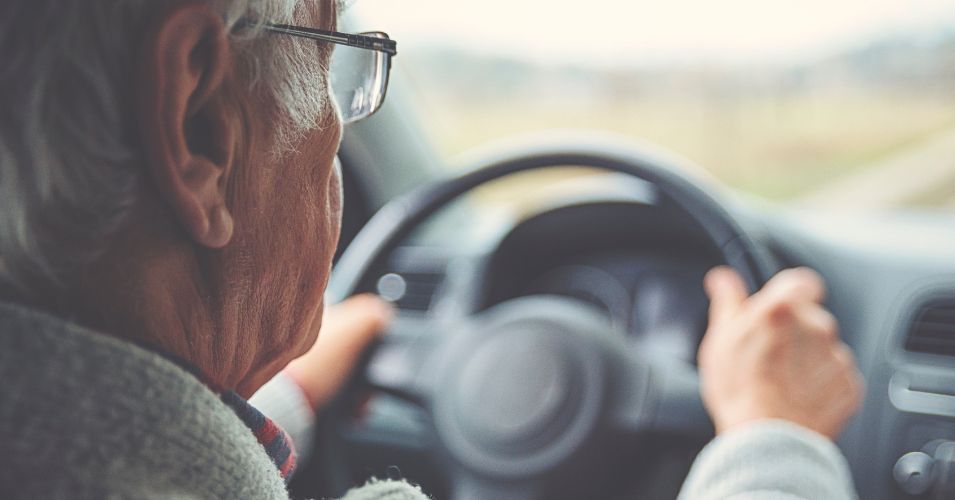
Driving has always meant freedom. For most of your life, it gave you the power to come and go as you pleased. It was how you stayed connected, kept your independence, and made everyday life feel full.
But in your 80s, giving up the keys can be one of the hardest transitions you face.
It is not just about a car. It is about what that car represented.
This article gently explores the quiet emotional weight of no longer driving and offers thoughtful, supportive steps to help you adjust, stay active, and feel empowered even without being behind the wheel.
When the Keys No Longer Feel Safe in Your Hands
There comes a moment when driving no longer feels as automatic as it once did. The road looks the same, but your hands grip the wheel a little tighter. Your heart beats faster at intersections. You might forget where you were going, even when you have driven that route for years.
These small changes can start quietly. You may find yourself turning down invitations because you do not want to drive at night. You avoid long trips. You hesitate when the weather is bad, or when traffic is heavy.
It is not just fear. It is awareness. You begin to notice that your reaction time is slower, that road signs are harder to read, or that other drivers seem faster and more impatient.
And while part of you still feels confident, another part begins to wonder if it is time to step back. That question alone can bring a wave of emotion.
Driving has never been just about transportation. It is tied to your identity. It was how you helped others, how you ran your errands, how you visited friends and made memories.
Letting go of the keys is not a decision anyone takes lightly. It may not even be something you choose on your own. A doctor might suggest it. A loved one might gently raise concerns.
Still, the final choice often comes from a quiet, personal moment. A close call. A sudden scare. A day when you realize you are more focused on staying safe than enjoying the ride.
Admitting that driving no longer feels safe is not a sign of failure. It is an act of courage. It is about protecting yourself and others.
You are still strong. You are still capable. You are just choosing a new way to move forward, one that keeps you and everyone around you safe.
Why Giving Up Driving Feels Like Losing Control
When you stop driving, it can feel like something has been taken from you. It is not just the car. It is the choice that came with it.
You once decided when to leave, where to go, and how long to stay. Your days were your own, shaped by your own needs. Now, you might have to wait for someone else. You might have to plan around their schedule, ask for rides, or change plans when transportation is not available.
That shift can make you feel like your freedom is slipping away. Even simple tasks like going to the grocery store or visiting a friend now require more thought, more time, and often more help.
The hardest part is not just the inconvenience. It is the feeling that your life is no longer fully in your hands. You may feel more dependent, more isolated, and sometimes more invisible.
Others may not realize how much you are grieving. They may think giving up driving is a simple change, a matter of safety or age. But for you, it is the loss of something personal.
You remember how it felt to drive with the windows down, music playing, the road open ahead of you. You remember the satisfaction of being able to go anywhere without asking anyone.
Now, that sense of control has changed. And it is normal to feel frustrated, sad, or even angry about it.
But even if your way of getting around has changed, you are still in control of your choices. You can find new routines. You can speak up about what you need.
Losing the keys does not mean losing your voice. You still deserve to live on your terms. And you can still shape your days with purpose, even without a car.
The Emotional Side Most People Do Not Talk About
Giving up driving is not just a practical change. It is an emotional one, and that part is often the hardest to explain.
You may not say much to others, but inside, there is a quiet grief. It can feel like a part of your life has ended. Not with ceremony or closure, but with a slow and lonely silence.
You remember the freedom that came with driving. The early morning trips to the market. The last-minute visits to a friend. The peaceful moments alone behind the wheel.
Now, those things are harder to do. And that absence leaves a space you did not expect.
There is also the feeling of being left behind. You may see others come and go, hear about plans you were not included in, or miss out on gatherings simply because you could not get there.
You may not want to be a burden. You may stop asking for rides. You may pretend it does not bother you when people forget to invite you. But deep down, you feel the change.
Losing the ability to drive can make you feel smaller in your world. Your circle shrinks. Your days feel longer. And your sense of independence begins to fade.
These feelings are not selfish. They are honest. You are allowed to miss what you had. You are allowed to feel sad about what has changed.
Talking about it can help. Sharing these feelings with someone who listens without judgment can bring relief.
You do not need to hide your grief. It is part of the process. And facing it openly is one way to begin healing.
You are not alone in feeling this way. And with time, new joys and routines can take root, even if they grow in a different direction.
Finding New Ways to Stay Independent and Mobile
Even without a car, you still have places to go and things to do. Your life is not over just because you are no longer driving. It may look different now, but independence is still possible.
The first step is to explore new options for getting around. Many towns and cities offer transportation services for older adults. These services are often low-cost or free and can take you to stores, doctor appointments, or community events.
Public transportation may also be an option. Buses and shuttles might feel unfamiliar at first, but with a little practice, they can become part of your routine. Some areas even have special programs with drivers trained to assist seniors directly.
If you live near family or close friends, do not be afraid to ask for help. Offer to plan errands together or ride along on their grocery trips. Most people are more than willing to help if they know it matters to you.
You can also make use of newer technology. Many communities have services like ride-share apps that offer rides on demand. If using a smartphone feels overwhelming, ask someone to show you how to use these tools or even help set it up for you.
In some cases, moving closer to resources can help. Living near shops, parks, or churches can make it easier to walk or arrange short rides without depending on long travel times.
Staying active is key. The more you move, even in small ways, the stronger and more confident you will feel. Walk with a friend. Use a walker if needed. The goal is not to go far, but to keep going.
You may not drive anymore, but you can still move forward. Independence is not about doing everything alone. It is about staying connected, involved, and able to make your own choices with the help that suits you best.
Reclaiming Confidence in a Slower but Meaningful Way
Slowing down does not mean giving up. It simply means doing things in a new rhythm.
When you stop driving, it may feel like the world is rushing past you. You may feel like your role has changed or that you are no longer part of the movement around you. But your presence still matters, and your days can still be full of meaning.
Confidence does not always come from speed or independence. It can come from knowing your value, even when life looks different.
Start by finding small ways to stay involved. You can still plan your days. You can still make choices about how you spend your time. You may take fewer trips, but the ones you do take can be filled with purpose and joy.
You do not need to fill every hour. Just being present in the lives of others, even through a phone call or shared lunch, reminds you that you still bring something important to the table.
Look for new things that fit your pace. Attend a local group, join a book club, or go to a community event where transportation is provided. The goal is not to keep up with everyone else. The goal is to move through life at your own steady rhythm.
Let yourself feel proud of the ways you continue to adapt. It takes courage to face change and find new paths. It takes strength to live fully, even when the world asks you to move more slowly.
Your life is still rich with opportunity.
Confidence grows again when you stop measuring yourself against the past and start building a new, meaningful present.
Final Thoughts
Letting go of the car keys is more than a practical change. It touches the heart, the mind, and the way you see yourself each day.
But even without driving, you still have choices, purpose, and the ability to shape your life with meaning.
This season may be slower, but it can be just as full. You can still find joy, connection, and independence in new ways.
You are not less because you drive less. You are simply adjusting with wisdom and grace.
Keep moving forward with courage. Your journey still matters, and your story is far from over.