
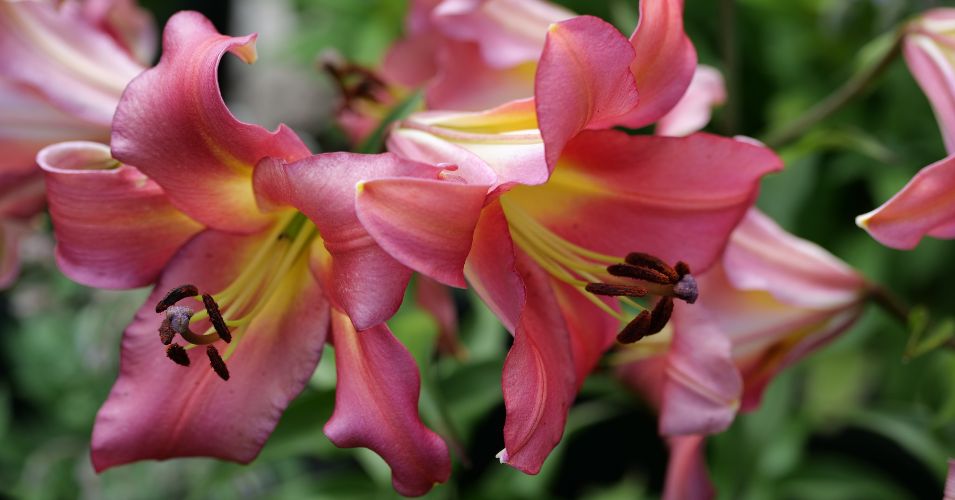
Daylilies have been a garden favorite for generations. They are easy to grow, available in thousands of varieties, and can produce a stunning display of color every summer.
For many gardeners, they were one of the first perennials to find a permanent place in the landscape. Yet it is becoming more common to see experienced gardeners reducing their collections or removing them altogether.
That does not mean daylilies have suddenly become bad plants. Instead, it reflects how gardens and gardening styles evolve.
Understanding those changes helps explain why these once essential flowers no longer hold the same place in every landscape.
The Excitement Does Not Always Last
Daylilies have a way of winning people over almost immediately. Walk through a garden center in early summer, and it is easy to understand why.
Rows of bright flowers, countless color choices, and labels promising years of dependable blooms make them difficult to resist. For new gardeners especially, they seem like the perfect perennial.
That first impression is usually accurate. Daylilies establish quickly, tolerate a wide range of growing conditions, and rarely demand the level of attention that many flowering plants require.
They survive cold winters, cope with hot summers, and continue blooming even when the weather is less than ideal. Those qualities help explain why so many gardens include at least a few varieties.
The relationship often changes after several seasons. Gardeners spend more time looking at their plants than they do reading plant labels. They begin noticing which flowers hold their attention for months and which ones make a brief appearance before fading into the background. Daylilies put on an attractive show, but for wide varieties, that show is over surprisingly quickly.
Once the blooms disappear, the plants become much less exciting. Clumps of long green leaves remain, but they rarely create the same impact as flowering shrubs, ornamental grasses, or perennials with colorful foliage. A border that looked vibrant a few weeks earlier can suddenly feel flat.
Experience also changes what gardeners value. Someone who once filled every space with bright flowers may start focusing on texture, structure, and plants that offer interest from spring until autumn. Instead of collecting dozens of daylily cultivars, they look for combinations that keep the garden changing throughout the season.
That does not mean daylilies have lost their value. It simply means they are no longer the highlight they once seemed to be. As gardeners discover more plants and refine their style, many decide that a smaller number of daylilies is enough, leaving room for species that contribute beauty for much longer.
Hidden Drawbacks That Catch Gardeners by Surprise
Daylilies have a reputation for being almost effortless to grow. While there is plenty of truth behind that claim, experienced gardeners know the full story is a little more complicated. The challenges are not obvious during the first year or two, but they become much harder to ignore as plants mature.
One of the biggest surprises is how much space they eventually occupy. A young clump can double in size before you know it. What looked perfectly placed a few years earlier begins pressing against nearby perennials, leaving less room for everything else. Borders that once felt balanced can become crowded unless the plants are lifted and divided.
That job is easier said than done. Older clumps develop thick, dense root systems that take real effort to dig out. Dividing them is not difficult in theory, but it can be tiring work, especially when several plants need attention at the same time.
Gardeners who expected a truly hands-off perennial sometimes discover that daylilies demand more physical work than anticipated.
The foliage can become another source of disappointment. Fresh leaves look tidy in spring, yet they do not always stay that way through summer. Brown tips, flattened leaves, and worn-looking clumps can appear after hot weather or long dry periods. Even healthy plants may lose some of their appeal once the flowers have finished.
There is also the question of pests and disease. Daylily rust has become a problem in some areas, leaving orange spores and damaged foliage behind. Aphids, slugs, and other common garden visitors occasionally add to the frustration.
None of these problems are guaranteed, but they remind gardeners that no plant is completely free of maintenance.
For many people, these issues are manageable. Others reach a different conclusion. As garden space becomes more valuable, they start asking whether every plant truly earns its place. When compared with perennials that bloom longer or provide year-round interest, daylilies sometimes fall lower on the list than they once did.
Modern Gardens Have Different Priorities
A look through older gardening books tells a very different story from what you see today. Decades ago, the goal was often to fill flower beds with as much color as possible.
Bright blooms were the main attraction, and dependable perennials like daylilies were an easy choice. They flowered well, multiplied quickly, and filled empty spaces without much fuss.
Many gardens now have a different purpose. Homeowners still want beautiful flowers, but they are also thinking about wildlife, biodiversity, and year-round interest. Instead of asking which plant has the brightest blooms, they are asking which plants feed pollinators, provide shelter for birds, or keep the garden looking attractive after summer ends.
That change has affected the popularity of many traditional perennials. Native flowers have become more common because they often support a wider range of insects and other wildlife.
Ornamental grasses add movement through autumn and winter. Shrubs offer flowers, berries, and colorful foliage in a single plant. Against that backdrop, a daylily that blooms for a few weeks can seem less essential than it once did.
Garden design has evolved as well. Rather than planting large blocks of one flower, many gardeners mix plants with different heights, leaf shapes, and flowering times. The result feels more natural and keeps the eye moving around the border. Daylilies still fit into that style, but they are less likely to dominate the planting as they did in the past.
Space is another factor. Most people have only so much room to work with. Every plant takes up valuable ground, so it has to earn its place. When gardeners compare a daylily with a perennial that flowers for months or a shrub that offers interest in every season, the decision is not always as obvious as it once was.
That does not mean modern gardeners have turned against daylilies. Many still grow them with great success. The difference is that they are now one option among hundreds instead of being an automatic choice for every sunny border.
What Makes Some Gardeners Remove Their Daylilies
Pulling out a healthy plant can feel almost wrong. After spending years watching a daylily mature, many gardeners hesitate before digging it up. The decision usually comes after plenty of thought rather than a single disappointing season.
One reason is simple. The garden has outgrown the plant. As trees become larger and shrubs spread, the original planting plan no longer works.
A border that once sat in full sun may spend much of the day in shade, leaving daylilies performing below their best. Instead of trying to force them into a spot that no longer suits them, gardeners often replace them with plants that thrive under the new conditions.
In other gardens, the problem is balance. A mature clump can become much wider than expected, making nearby plants disappear from view. Rather than dividing the same clumps every few years, some gardeners decide it is easier to remove them and start fresh with a different mix of plants.
Personal taste changes over time as well. The flowers that once seemed bold and exciting may begin to look familiar after many seasons. That happens with almost every type of plant. As gardeners discover new varieties, visit public gardens, or experiment with different styles, they naturally want to try something different at home.
There is also a practical side to the decision. Maintaining a garden takes time, and most people eventually become more selective about where they spend that effort. If a plant delivers only a short burst of flowers but still needs dividing and regular tidying, it may lose out to one that offers a longer display with less attention.
Even so, removing daylilies is rarely a sign that they have failed. More often, it reflects the way gardens continue to evolve. Plants come and go as ideas change, spaces mature, and new favorites appear.
For many gardeners, daylilies are simply one chapter in a landscape that never stops changing.
Why Daylilies Still Have a Place in Many Landscapes
It is easy to focus on the reasons gardeners stop growing daylilies, but that only tells part of the story. Every year, thousands of people still plant them, and many have no intention of replacing them.
There is a good reason for that. Few perennials offer the same combination of reliability, adaptability, and colorful summer blooms.
Not every garden needs rare or demanding plants. For busy homeowners, dependable flowers often matter more than chasing the newest introductions. Daylilies fit that role well.
Once established, they can tolerate dry spells, return each year reliably, and continue performing without the constant attention that some perennials demand.
They are also useful where other plants struggle. A sunny bank, the edge of a driveway, or a difficult strip beside a fence can all become attractive with a few well-placed clumps. In those areas, gardeners often value a plant that grows consistently more than one that requires perfect conditions to look its best.
Modern breeding has helped keep daylilies relevant as well. Today’s gardeners can choose from thousands of cultivars, including compact selections for smaller spaces and repeat-blooming varieties that flower more than once during the season.
That gives people far more flexibility than they had a generation ago, making it easier to work daylilies into a wide range of garden styles.
For many people, the appeal goes beyond appearance. A clump may have been divided from a grandparent’s garden or shared by a friend years ago. Plants like these become part of a garden’s history. Removing them is not always an easy choice because they carry memories alongside their flowers.
Perhaps that is why daylilies continue to endure. They may no longer dominate every perennial border, but they have never needed to. Used thoughtfully and paired with plants that provide interest before and after they bloom, they still earn their place in landscapes of every size.
Final Thoughts
Gardens are never truly finished. Plants grow, trees cast more shade, and ideas change with every passing season. A flower that seemed perfect ten years ago may no longer suit the space today, and there is nothing unusual about that.
Daylilies have followed the same path as many longtime garden favorites. Some people gradually replace them with native plants, ornamental grasses, or shrubs that offer interest throughout the year. Others would not dream of gardening without them because they have proven themselves time and time again.
Neither approach is wrong. The real lesson is that gardening is personal. The best plant is not always the newest variety or the one everyone else recommends. It is the one that fits your garden, your lifestyle, and the way you want your outdoor space to feel.
Daylilies may not be the first choice for every gardener anymore, but they have earned lasting respect through decades of dependable performance, and that is unlikely to change anytime soon.