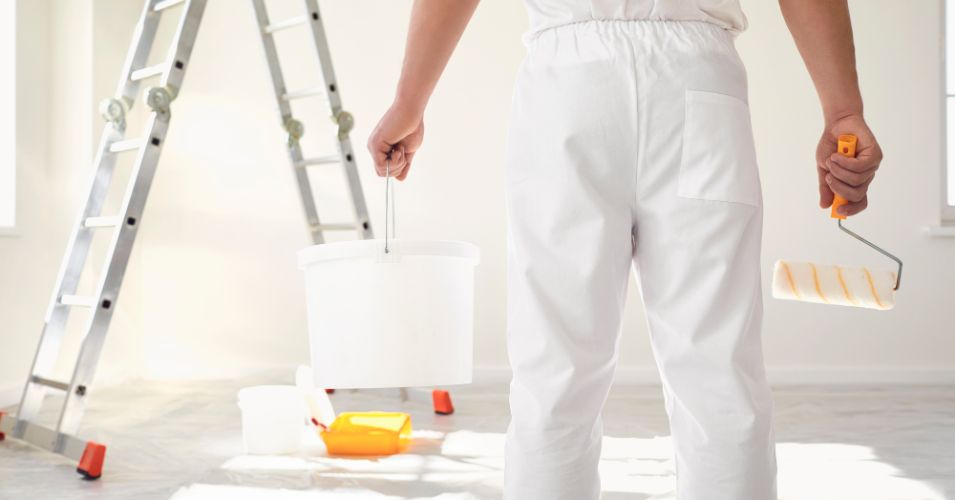
Being a painter is more than a job. For many, it is an identity built over years of long days, sore muscles, and pride in a finished wall.
But every career has a natural rhythm of beginnings, growth, and eventually change. Knowing when to step away is one of the hardest choices any tradesperson can face.
Retirement is not a failure. It is often the result of wisdom earned through experience. If you have ever wondered whether it might be time to hang up the brushes, these signs can help you decide with clarity and confidence.
The Work Feels Heavier Than It Used To
There is a quiet moment that many painters experience but rarely talk about, and it is the day the ladders start to feel heavier than they used to, the buckets seem to tug harder at your arms, and the climb that once felt routine now takes more effort and more time.
At first, it is easy to dismiss this feeling as just another long week or a poor night of sleep, because everyone has tired days in the trades. Over time, though, that heaviness can stop being an occasional feeling and turn into something you carry with you every morning.
Your body takes longer to warm up. Your muscles stay tight even after a full night of rest. The aches do not fade like they once did. Years of lifting, bending, stretching, and standing begin to add up in ways that are hard to ignore.
Pain becomes more familiar than comfort. Knees protest when you kneel for trim work. Shoulders burn after rolling ceilings. Your lower back reminds you of every scaffold you ever climbed. You may notice that you need more breaks just to get through the same workload you once handled with ease.
What makes this sign powerful is not just the fatigue itself, but how it affects your mindset. You may start dreading tasks you once handled without thought. Jobs that were once simple now feel exhausting before the day even begins. The physical weight of the work starts to spill into mental weight as well.
Some painters push through this phase with stubborn pride. They tell themselves that slowing down means giving up. In reality, continued strain often leads to bigger injuries that force decisions without warning. A torn shoulder, a slipped disc, or chronic joint damage can turn a temporary struggle into a permanent limitation.
Listening to your body is not weakness. It is awareness. When the work consistently feels heavier than it should, it may be your body asking for a different pace or a different chapter. Retirement does not always arrive with a single dramatic injury. Sometimes it arrives quietly, through growing wear that no amount of grit can fully overcome.
Your Passion for Painting Has Quietly Faded
Most painters did not choose this trade by accident. At some point, there was pride in clean lines, smooth finishes, and the satisfaction of stepping back to see a job well done. Early on, even long days felt worth it because the work meant something. Over time, however, passion can fade in ways that sneak up quietly.
You may notice that you no longer feel excited when a new project begins. The challenge no longer sparks interest. The satisfaction of a finished wall feels smaller than it once did. Instead of seeing opportunity, you see another job to get through.
Burnout often shows up as indifference rather than anger. You still show up. You still do quality work. But the heart behind it feels distant. The pride that once fueled long days is replaced by a focus on simply getting by.
Small frustrations feel bigger than they should. Minor delays feel unbearable. Clients feel harder to please. The rhythm that once made sense now feels draining. When joy fades, even success can feel hollow.
This loss of passion can ripple into other areas of life. You may come home more irritable than before. You may feel mentally exhausted even on lighter days. Time off may no longer feel refreshing because the return to work already feels heavy.
Some painters stay in this state for years because the trade is familiar and dependable. Familiar does not always mean fulfilling. When motivation fades, the work becomes mechanical. You operate on routine rather than purpose.
Retirement becomes worth considering when you realize that you are no longer building toward something. You are maintaining a cycle that no longer feeds you. The craft that once gave meaning now feels like a weight you carry out of habit.
Passion does not always disappear overnight. It often fades slowly as interests change and priorities shift. Recognizing that shift is not a failure. It is a form of honesty with yourself. When the fire that fueled your career has grown quiet, it may be time to make room for something new that brings energy back into your life.
Your Body Sends Clearer Warnings Than Your Mind
Pain has a way of cutting through denial in a way that thoughts never can. A painter may convince himself that he is fine for years, even as stiffness and soreness become daily companions. The mind is skilled at justifying discomfort. The body is not as patient.
At first, the warnings are subtle. Your hands feel numb after long days of sanding. Your wrists ache after steady hours of brushing. You stretch in the morning and feel a sharp reminder of where years of repetitive motion have settled in.
Over time, those early signals grow louder. Recovery takes longer. Strains that once healed in days linger for weeks. You may begin to notice that one wrong movement can change the entire rhythm of your week. Sleep does not fully restore your energy anymore.
Chronic pain becomes part of your routine instead of an exception. You wake up sore. You work through soreness. You fall asleep sore. This cycle becomes so familiar that it almost feels normal, even though it should not be.
There is often tension between what the body says and what the mind wants. The mind remembers strength and stamina. It remembers how quickly and confidently the work once moved. The body answers with stiffness, swelling, and fatigue that cannot be ignored.
Medical visits may become more frequent. Physical therapy sessions start appearing on your calendar. You may hear words like degeneration, compression, or limited range of motion. Each phrase lands heavier than the last.
These warnings are not simply inconveniences. They are signals about the long-term health of your body. Continuing at the same pace may deepen the damage and make future mobility uncertain. The risk extends beyond the jobsite. It affects how you move through daily life.
When your body speaks with this level of clarity, ignoring it becomes a gamble with your independence. Retirement begins to look less like an ending and more like protection. Stepping away can be the choice that preserves your ability to enjoy the years ahead rather than spend them managing escalating pain.
Financial Stability Is Finally Within Reach
For many painters, money is the reason retirement feels so far away. The trade often provides steady income, but not always easy savings. For years, the focus has stayed on paying bills, supporting family, and keeping work moving. Financial readiness often feels like a distant goal.
Eventually, something shifts. Debts shrink. A home becomes fully paid off or close to it. Savings grow in a way they never could during the earlier years. Income may become more predictable, and expenses may become easier to manage.
You may realize that you are no longer working just to stay afloat. You are working out of habit. The fear that once drove you to take every job begins to lose its grip. That moment can feel both relieving and unsettling.
Retirement becomes a real calculation instead of a vague dream. You start running numbers. You look at social security estimates. You study savings accounts and retirement plans with a new level of seriousness.
What once felt impossible begins to feel possible. You discover that you could live modestly without the daily grind. You may not live in luxury, but you would live with freedom over your time.
Financial stability changes how every workday feels. Each job becomes a choice rather than a necessity. You begin to notice how differently the work feels when survival is no longer on the line.
With stability comes the question of how you want to spend your remaining working years. You may decide that continuing to labor through physical strain is no longer worth the return. The value of time begins to outweigh the value of income.
When your finances finally support the idea of stepping away, retirement stops feeling reckless. It begins to feel responsible. It becomes less about giving something up and more about claiming the freedom you worked decades to earn.
You Start Imagining Life Beyond the Jobsite
At some point, your thoughts begin to drift beyond ladders, rollers, and work schedules. You find yourself thinking about mornings that do not start before sunrise. You picture days that are not measured in coats of paint or square footage. These thoughts slip in quietly at first, almost as daydreams.
You may imagine traveling without checking job calendars. You may think about hobbies you once set aside because there was never enough time or energy. Fishing rods, woodworking tools, gardening beds, or long walks suddenly feel more real than they have in years.
The jobsite no longer feels like the center of your world. It begins to feel like just one chapter of a much longer story. You notice that conversations shift. Instead of talking about projects, you talk more about plans, places, and ideas for the future.
This shift in imagination is powerful because it signals a change in identity. For years, being a painter defined your daily rhythm and sense of purpose. When that identity loosens its grip, space opens for something new.
You may feel both excitement and guilt at the same time. Excitement for the life you could build beyond the trade. Guilt for even considering leaving something that has supported you for so long. These conflicting emotions are normal and often arrive together.
You begin to measure time differently. Instead of counting years until retirement, you think about seasons, trips, and moments. The future feels less like a distant horizon and more like a place you can actually reach.
Work may still matter, but it no longer owns your imagination. The thought of stepping away does not feel frightening anymore. It feels realistic. It feels earned.
This is often the sign that retirement is no longer just a concept. It is becoming a decision. When your mind consistently wanders toward life beyond the jobsite, it is taking you to where your heart has already travelled. The body may still be working, but the spirit is starting to move on.
Final Thoughts
Retirement is not a sudden event for most painters. It is a gradual realization shaped by physical limits, faded passion, and growing financial security. The signs rarely arrive all at once. They stack slowly over time.
Listening to these signs allows you to leave on your own terms instead of being forced out by injury or burnout. Stepping away with intention protects your health and preserves your sense of pride in the career you built.
No matter when you choose to retire, the skills, discipline, and work ethic you earned as a painter will stay with you. The job may end, but the impact of your work and the life you built through it will not.