
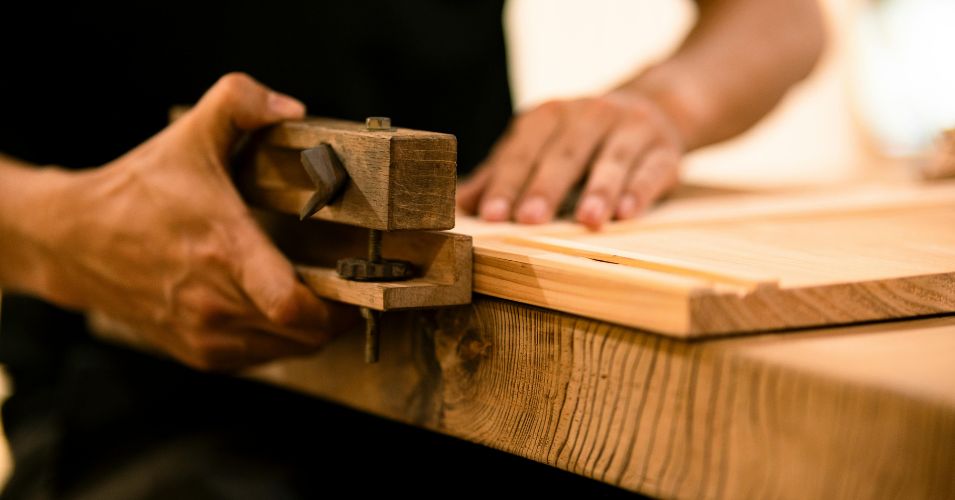
Carpentry is a trade built on strength, precision, and pride. From framing houses to crafting fine details, carpenters leave their mark on the world through solid work that lasts for generations.
For many, the job becomes a lifelong rhythm of early mornings, physical labor, and steady problem solving. But even the most dedicated carpenter eventually reaches a point where the work begins to feel different.
Retirement is not a sudden decision. It is often shaped by subtle signs that appear over time. Learning to recognize those signs can help you step into the next chapter of life with confidence and clarity.
Your Hands No Longer Feel as Steady as They Once Did
There was a time when your hands worked almost without thought. Measurements came naturally. Cuts felt smooth. Fasteners landed exactly where you wanted them. The confidence in your grip made even detailed tasks feel routine.
Over time, that certainty can begin to shift. You may notice slight shaking when holding tools. Fine motor tasks require more focus than they once did. What used to feel automatic now takes careful attention.
At first, you explain it away as fatigue or cold weather. Everyone has off days. But when the lack of steadiness becomes more frequent, it becomes harder to ignore. Precision is not optional in carpentry. It is essential.
Small mistakes start happening more often. A cut lands just a fraction off. A screw stripped that should have seated cleanly. The difference may be small, but you notice it immediately because it was never your standard.
This change affects more than just performance. It affects confidence. You may hesitate before tasks you once rushed into without hesitation. That pause can feel unfamiliar and uncomfortable.
Hands carry the history of a carpenter. Years of vibration, gripping, lifting, and repetitive motion leave their mark. Nerve sensitivity changes. Strength shifts. Control fades slowly rather than all at once.
Medical causes may enter the conversation. Physical wear over time, nerve irritation, and circulation changes can influence steadiness. Treatments may help, but they rarely restore things exactly as they were.
There is also the emotional side of this shift. Losing trust in your hands feels personal. It touches the core of your identity as a skilled tradesperson.
When your hands no longer feel like the reliable tools they once were, it forces honest reflection. Precision defines quality work. If maintaining that precision becomes a daily struggle, retirement may begin to feel like a way to protect both your safety and your professional pride.
The Jobsite Takes More Out of You Than It Gives Back
The jobsite once gave you energy along with a paycheck. There was satisfaction in seeing progress each day. Physical tiredness was balanced by pride and momentum.
Over time, the balance can change. The work still demands the same effort, but it no longer gives back the same sense of reward. Each day feels heavier than the one before.
Fatigue settles in faster. Muscles tire sooner. Energy is harder to recover between shifts. The body no longer rebounds the way it used to.
What once felt like a good kind of exhaustion now feels draining. You go home spent and wake up still tired. Rest does not refill the tank the way it once did.
Small discomforts start stacking up. Sore knees. Tight shoulders. Aching wrists. None of these alone ends a career, but together they form a daily burden.
The emotional cost begins to rise as well. You may find yourself less patient on the job. Minor delays feel more frustrating. The pressure that once felt motivating now feels heavy.
You begin to notice what the job takes away outside of work. Time with family feels shorter. Hobbies fade into the background. Energy for simple pleasures starts to vanish.
Paychecks still arrive, but they feel less connected to fulfillment. The emotional return on your effort starts shrinking while the physical cost keeps climbing.
This is not about losing toughness. It is about recognizing changing limits. When the jobsite consistently takes more from you than it gives back, the equation shifts.
Retirement begins to appear not as an escape but as a rebalancing. It becomes the chance to stop spending all of your strength just to maintain the same routine and instead invest that strength in a life that gives something back.
Small Injuries Linger Longer Than Before
Early in your career, cuts, bruises, and sore muscles were part of the routine. A strained wrist healed in days. A pulled muscle faded after a weekend of rest. Your body recovered quickly and without much thought.
As the years pass, that fast recovery begins to slow. A minor tweak in the back does not disappear after a good night of sleep. A sore shoulder lasts for weeks instead of days. Even small injuries demand more care and more patience.
You may start noticing that morning pain becomes part of your daily rhythm. Stiffness greets you before your feet hit the floor. It takes time to loosen up enough to move comfortably.
What makes lingering injuries especially hard is their unpredictability. You can follow the same routine you always have, yet one awkward step or sudden lift can trigger pain that stays far longer than expected.
Medical visits become more common. You hear words like inflammation, tendon damage, or limited range of motion. Treatments may help, but full recovery often takes longer than it once did.
There is a mental weight that comes with slow healing. Each new ache brings the question of how long it will last. You may worry about whether it will fully heal at all.
You begin adjusting how you work to protect injured areas. You avoid certain motions. You lean on different muscles. Over time, these small adjustments change how your body moves on the job.
The risk also grows. Working while injured increases the chance of making a mistake or causing further damage. What began as a minor issue can turn into something chronic.
Lingering injuries affect life beyond work as well. You cancel weekend plans. You move more cautiously. You feel older than the years on the calendar.
When small injuries refuse to fade the way they once did, it becomes a strong signal that the body is reaching a new stage. At that point, retirement starts to feel less like a distant idea and more like a practical step toward preserving what health remains.
Motivation Fades Even on Projects You Once Loved
There was a time when certain projects excited you. Custom builds. Detailed trim work. Challenging layouts. These were the jobs that reminded you why you chose carpentry in the first place.
Over time, that excitement can begin to fade. The same types of projects no longer spark interest. The challenge that once energized you now feels like another demand on already tired reserves.
You may notice that you approach work with less enthusiasm. The drive to go above and beyond softens. You still do quality work, but the inner spark feels dimmer.
This change is often gradual. It does not arrive as sudden dislike. It arrives as quiet indifference. You go through the motions without feeling the same sense of purpose.
Even successful projects no longer bring the same satisfaction. A finished job feels like relief rather than pride. You are glad it is done, but you do not linger over the result the way you once did.
Burnout plays a role in this shift. Years of deadlines, physical demand, and problem solving wear down even the most passionate craftsman. Rest days offer less renewal than they once did.
Outside interests may begin to feel more appealing than work ever does. You look forward to time away more than to the jobs themselves. The contrast becomes harder to ignore.
This loss of motivation can affect performance. Focus slips. Patience shortens. Creativity feels harder to access. What once felt like a calling now feels like an obligation.
There is often guilt tied to this feeling. You may wonder why the love for the craft is fading after so many years of dedication. But change does not erase the value of what you built.
When the spark no longer returns, even on projects you once loved, it is often a sign that the season of your career is shifting. At that point, retirement becomes less about leaving the trade and more about honoring what it has already given you.
You Find Yourself Planning Life Beyond the Workshop and the Build
At first, the thoughts seem harmless. You imagine a few extra days off. You picture mornings without tool belts and job schedules. These thoughts feel distant and almost playful at the start.
Over time, those ideas grow clearer and more detailed. You begin to think about what your days might look like if work no longer dictated every decision. You imagine projects that are done for enjoyment instead of deadlines.
You may start planning trips that always felt impossible to schedule before. You think about spending uninterrupted time with family. You picture hobbies that once had to wait until evenings or weekends.
Conversations begin to shift. Instead of talking mostly about current jobs, you talk about future plans. Friends and coworkers may notice that you speak more often about what comes next.
Your sense of identity begins to stretch beyond the role of carpenter. For years, the trade shaped how you viewed yourself and your place in the world. Now that identity starts to make space for new roles and new purposes.
There can be mixed emotions in this stage. Excitement grows as the future feels more open. At the same time, uncertainty may surface because change always carries some fear along with hope.
You may begin taking practical steps without fully realizing it. You organize finances more carefully. You test longer breaks from work. You observe how your body and mind respond to time away.
Time itself begins to feel different. You stop counting life only in projects and pay periods. You begin thinking in seasons, milestones, and experiences.
The workshop no longer feels like the center of your world. It becomes one part of a much larger picture. That shift is subtle but powerful.
When your thoughts consistently travel toward a life beyond the build, it is often the clearest sign of all. Your future is no longer anchored only to the trade. Your heart is already exploring what comes next.
Final Thoughts
Retirement for a carpenter does not arrive all at once. It forms through many small signs that build over time. Steady hands change. Injuries take longer to heal. Motivation shifts. The body and the mind both begin asking for something different.
Choosing to step away is not a failure. It is an act of awareness and respect for the years you devoted to the craft. It is the decision to protect your health and your remaining strength.
The structures you built will stand long after the tools are set down. Your skills, discipline, and pride will always be part of who you are. Recognizing the right time to retire allows you to carry those qualities into a new and meaningful chapter of life.