
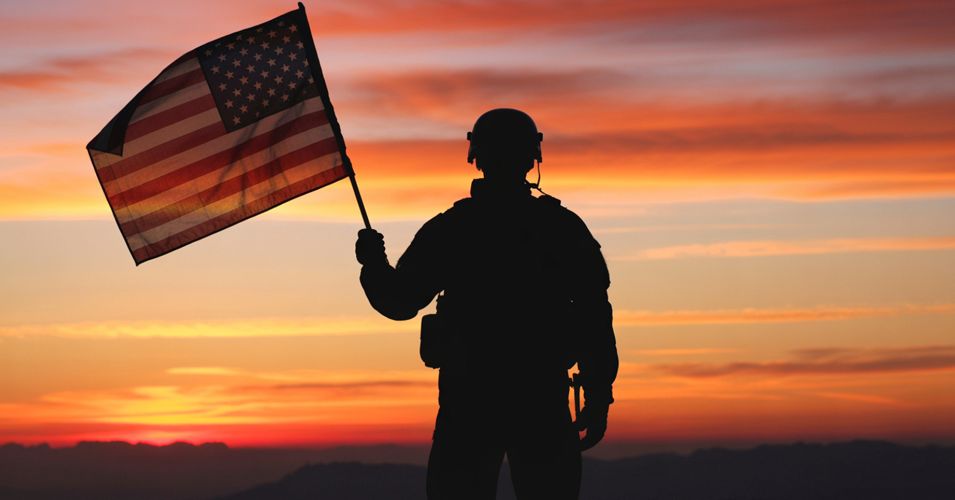
Growing older can bring peace, but for many veterans, it also stirs up hidden battles. The memories of service, the weight of loss, and the quiet ache of isolation can make the senior years harder than expected.
What once felt like strength may now feel like exhaustion, and the courage once needed for combat is now needed for daily life.
Yet hope is never out of reach. The same determination that carried veterans through war can help them find healing, meaning, and connection again. These are the silent struggles many face and the ways they can be overcome.
Emotional Battles That Resurface With Age
For many veterans, the passage of time does not erase the memories of service. Instead, those memories can become clearer with age. The sounds, sights, and emotions of long-ago experiences often come back when life slows down and there is more time to think.
The quiet moments that used to bring peace can sometimes open the door to old fears. Flashbacks, dreams, or sudden waves of sadness can feel confusing when they appear years after discharge. Some veterans describe it as fighting a war inside their mind that never truly ended.
Retirement, loss of friends, or changes in health can also stir feelings of guilt or grief. A veteran may think of those who did not make it home and wonder why they did. The sense of purpose once found in service may seem lost in the everyday routines of civilian life. Even after decades, these thoughts can be heavy.
The first step in overcoming these emotional battles is understanding that they are normal. Time does not always heal all wounds, but awareness and honesty can open the path toward peace. Talking about experiences does not show weakness. In truth, it is one of the bravest acts a person can do.
Therapy and counseling are not just for the young or recently discharged. Senior veterans can benefit from specialized programs through the VA or local veteran centers that focus on trauma recovery and emotional wellness. Group sessions can be powerful, especially when shared with others who understand without needing every detail explained.
Daily routines also matter. Regular exercise, writing, art, or volunteering can help calm the mind and create purpose. Staying connected to family or joining veteran support communities can bring back the sense of belonging that service once gave.
Healing is not about forgetting. It is about finding strength in what remains and learning to carry memories with pride instead of pain. The past may shape who a veteran is, but it does not have to define how the future feels.
Living With Pain From Old Injuries
Physical pain can be one of the hardest struggles for older veterans. The injuries that seemed manageable in youth often grow worse with age. A bad knee from years of marching, a back injury from carrying heavy packs, or shrapnel that was never fully removed can all cause daily discomfort.
Pain affects more than just the body. It can wear down patience, mood, and sleep. When movement becomes difficult, independence can feel like it is slipping away. This frustration can turn into sadness or even anger. Many veterans say the hardest part is not the pain itself but the way it limits what they can do.
Overcoming this struggle begins with proper medical care. Too many veterans assume pain is just part of aging or something they must live with. But modern treatments have come a long way. The VA and community clinics offer physical therapy, pain management programs, and adaptive tools that can restore mobility and confidence.
Simple adjustments make a big difference. Using supportive shoes, braces, or canes can reduce strain and prevent falls. Regular stretching, gentle exercise, and swimming can keep joints flexible without adding stress. Even light daily movement can ease stiffness and lift mood.
Nutrition also plays a key role. Foods rich in vitamins, lean proteins, and omega-3s can help reduce inflammation. Avoiding excessive sugar or alcohol can lessen pain flare-ups and improve energy. Veterans who focus on overall health often find that their pain becomes easier to manage.
Equally important is staying connected. Sharing struggles with others, whether in veteran groups or community classes, reminds each person that they are not alone in their fight. Some veterans discover that helping others cope with pain becomes its own kind of therapy.
Living with old injuries is not about surrendering to discomfort. It is about adapting, finding new ways to stay active, and refusing to let pain steal the joy that life still offers. With patience and care, even the scars of the past can become signs of survival, not symbols of defeat.
When You Feel Forgotten by Friends and Family
One of the quietest pains many senior veterans face is the feeling of being forgotten. When the days grow slower and the visits fewer, it can start to feel like life has moved on without them. The phone does not ring as often. Old friends are gone or far away. Family members may be busy, caught up in work, children, and their own worries.
This feeling can cut deeply because service once meant being part of something bigger than oneself. There was always a team, a sense of belonging, and people who watched your back. When that connection fades, it can leave a space that feels impossible to fill.
Loneliness affects both the mind and the body. It can lead to depression, fatigue, and even physical illness. Veterans who once thrived on purpose and camaraderie may start to withdraw from the world around them. They might believe that no one understands what they have been through, so they stop trying to explain.
Overcoming this struggle begins with a small but powerful truth. People do care. Sometimes they simply do not know how to reach out. Taking the first step, even when it feels hard, can make all the difference. Calling a family member, writing a letter, or inviting someone to share a meal can open the door to reconnection.
Many communities host veteran gatherings, coffee clubs, or storytelling nights where older veterans can share their experiences. These spaces are filled with understanding and respect. They remind each person that their story matters. Volunteering at local schools, libraries, or veteran programs also brings new friendships and meaning.
Technology can help too. Video calls, online veteran groups, and social platforms designed for seniors can bridge the distance between loved ones. Reaching out through these channels may feel unfamiliar at first, but it can turn isolation into inclusion.
Most of all, remembering that service was not just about sacrifice but also about community can help reignite that sense of belonging. Being a veteran does not end when the uniform is folded away. The spirit of connection remains, waiting for the courage to reach out once more.
Struggling to Find Support and Resources
Another major challenge for senior veterans is navigating the maze of available support. The benefits, programs, and services are out there, but finding them can be frustrating. Paperwork can be confusing, phone lines may take hours, and websites can seem overwhelming. Some veterans give up before they ever get the help they earned.
This struggle often begins with not knowing where to start. Many veterans are unaware of how many programs exist for healthcare, housing, financial aid, and mental health. The information is scattered, and the process to apply can feel like another battle. For those with mobility issues or limited internet access, it becomes even harder.
To overcome this, the key is guidance and persistence. Every veteran has the right to access the benefits they were promised. The first step is reaching out to a Veterans Service Officer, often called a VSO. These trained professionals work through the VA or local organizations to help fill out forms, file claims, and connect veterans to the right programs.
Local American Legion, VFW, and Disabled American Veterans posts are also great places to start. The people there have walked the same path and know how to cut through the confusion. Many senior centers and libraries even host workshops that explain how to access VA benefits or apply for assistance.
Technology, once again, can be a powerful ally. The VA’s official website and mobile apps are improving, offering clearer instructions and easier access to medical records, prescriptions, and appointment scheduling. For those not comfortable with technology, a family member or volunteer can help navigate the online steps.
Support also extends beyond government programs. Churches, nonprofit groups, and community care networks often provide transportation, meal services, and companionship for older veterans. Asking for help is not a sign of weakness. It is an act of strength and self-respect.
Finding support is not about charity. It is about claiming what has already been earned through service and sacrifice. Once the first step is taken, the path becomes clearer, and a veteran can find the peace and care they deserve in the years ahead.
Loss of Purpose After Leaving the Uniform
When a veteran hangs up the uniform for the last time, it can feel like closing the door on an entire identity. For years, even decades, life revolved around a mission, a schedule, and a sense of belonging that gave each day meaning. Once that structure is gone, many veterans feel adrift, unsure of what comes next or where they fit in the world.
The transition to civilian life is difficult for anyone, but it becomes even more complex with age. Work may no longer be an option, and physical health might limit activities that once brought joy. Without the routine and discipline that military life provided, days can begin to blur together. The silence that once seemed like peace can start to feel like emptiness.
Some veterans describe this feeling as losing their compass. The purpose that once drove them forward has faded, leaving behind questions that are hard to answer. Who am I now? What am I supposed to do? It can lead to a quiet sense of loss, even when life seems stable on the surface.
The good news is that purpose can be rediscovered. It may not look like it once did, but it can still be just as powerful. Helping others, especially younger veterans, can reignite that old sense of mission. Mentoring, volunteering, or speaking at community events reminds veterans that their experiences have lasting value.
Creative outlets can also fill the gap. Writing, painting, music, or even gardening can help express emotions that words sometimes cannot reach. These activities offer peace and allow veterans to create something meaningful, just as they once built unity and strength during service.
Faith, family, and community can be powerful sources of purpose as well. Reconnecting with loved ones, joining local groups, or taking part in causes that help others can turn isolation into inspiration. Purpose is not about rank or uniform. It is about contribution, no matter how small.
Every veteran still has something vital to give. Life after service is not the end of the mission. It is a new chapter, one written with wisdom, compassion, and courage that only years of experience can bring.
Final Thoughts
The struggles veterans face as they grow older are real, but these struggles do not have to define the rest of life. Emotional pain, physical limitations, loneliness, and confusion about resources are all battles that can be faced and won with the right support and determination.
Healing begins with connection. Reaching out to others, accepting help, and embracing new routines can bring comfort and meaning back into daily life. Every veteran deserves to live with dignity, respect, and hope.
The uniform may be gone, but the strength remains. The courage that once defended a nation can now defend peace of mind and a brighter tomorrow.
If you’re feeling overwhelmed, please know you’re not alone and there is help. You can call 988 anytime. It’s free, confidential, and available 24/7. Someone will be there to listen, support you, and help you find your way forward.