
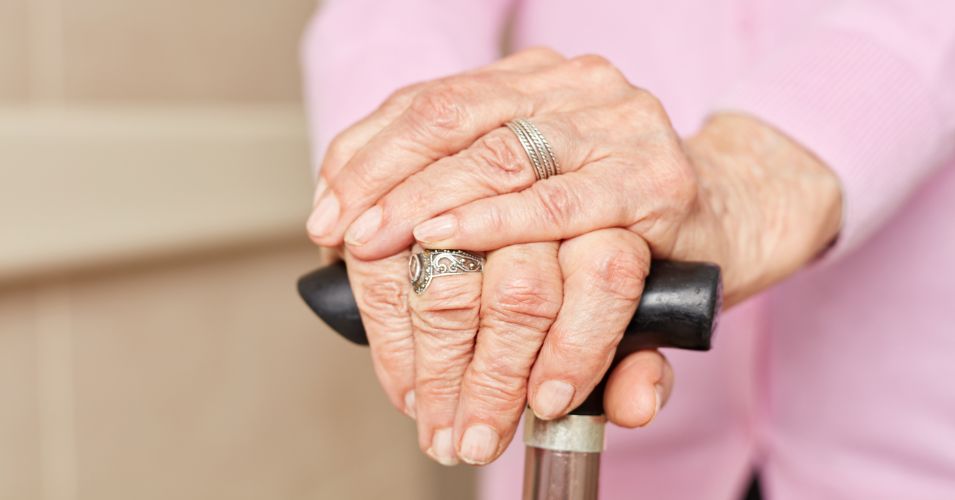
Using a walker or cane may seem like a small adjustment to some, but for many older adults, it represents a deep shift in how they see themselves and move through the world.
These mobility aids offer safety and support, yet they can also bring unexpected emotions, physical frustrations, and social discomforts.
It is not just about walking slower or learning to lift a frame. It is about learning to live differently in a world that often overlooks the quiet challenges of aging.
If you or someone you love feels overwhelmed, you are not alone.
When Each Step Becomes a Careful Choice
Walking across a room used to feel automatic. You stood up, took a few quick steps, and barely gave it a thought.
Now everything has changed. You pause before standing, glance at the floor, and steady your hand on something solid.
Each movement takes more planning than before. You look ahead not just at where you are going, but how you will get there.
A rug that once felt cozy might now feel risky. A change in flooring can throw off your balance without warning.
Even familiar places like the hallway or bathroom demand your full attention. You check for obstacles and prepare for every turn.
The walker or cane becomes more than a tool. It becomes a constant companion, guiding your pace and protecting your path.
You may feel slow, but you are not weak. You are smart, cautious, and aware of every important detail.
Some people might think you have lost your independence. But the truth is, you are choosing safety so you can continue to live freely.
There is strength in slowing down. Each careful step is a decision to keep moving, no matter what.
Trips to the kitchen might take longer, but they are still your steps. Each one matters and each one gets you there.
Small routines become acts of courage. Rising from a chair, turning around, or opening the fridge all become victories.
You begin to notice things others miss. A tilted mat, a puddle, or an uneven tile is no longer invisible to you.
This awareness becomes your power. It keeps you upright and lets you move forward with control.
Even when the path is harder, you are not standing still. You are finding new ways to stay steady and stay strong.
And in that strength, there is pride. Not for how fast you move, but for the fact that you still do.
The Look on People’s Faces Says Too Much
Sometimes, it is not the words people say that hurt. It is the look they give you when they see the cane in your hand.
They glance quickly, then away. Their eyes fill with surprise, worry, or something harder to name.
Pity often hides behind politeness. People mean well, but their expressions reveal what they really think.
They might assume you are fragile or less capable. They may even talk to someone else instead of to you.
These little moments sting more than they should. You start to notice them everywhere, in stores, waiting rooms, and even family gatherings.
When others stare or avoid your gaze, it chips away at your confidence. You feel seen, but not in the way you want to be.
The walker or cane becomes a label. It says something about you before you even speak.
It can be easy to let those glances define you. You might feel tempted to stay home or turn down invitations.
But here is what people often forget. That cane or walker means you are still showing up and still trying.
It is not a sign of weakness. It is a sign of determination, of choosing movement instead of giving in to stillness.
You are not less than you were before. You are adapting and continuing, even when it takes more effort.
Hold your head high when you enter a room. Let them see your strength, not just your support.
Speak clearly, smile first, and stay engaged. Show them that nothing about you has disappeared.
Every time you do that, you push back against the silence. You remind people that aging does not erase dignity.
You are still sharp, still full of stories, and still part of the world around you. And your presence matters more than they know.
Life Slows Down in Ways You Never Expected
You may have thought slowing down would happen gradually. Instead, it shows up suddenly, changing how your whole day unfolds.
A quick walk to the mailbox now takes planning. Getting dressed in the morning might require rest afterward.
Even simple chores stretch longer than before. Folding laundry, wiping the table, or cooking a small meal can take double the time.
You might find yourself watching the clock. Not because you’re in a hurry, but because everything just takes more energy now.
This new pace can be hard to accept. You remember the fast rhythm you once lived by, and it feels distant now.
Waiting for someone to open a door feels unfamiliar. You used to be the one holding it for others.
Now, trips to the store need careful timing. You think ahead about crowds, walking distances, and bathroom locations.
You may need to sit more often, catch your breath, or ask for help with what used to be second nature.
All of this feels like a quiet loss. Not dramatic, but real and hard to ignore.
Yet within that slower pace, something else appears. You begin to notice things more deeply.
You see how sunlight moves across your kitchen floor. You hear birds you used to tune out.
Moments become longer, and sometimes richer. A cup of tea is not just a break, but a chance to pause and reflect.
You discover patience in yourself. You begin to measure the day by presence, not by speed.
Slowing down is not failure. It is a shift in how you move through the world.
You are still living. Still choosing how each hour unfolds.
And in that choice, there is strength. The kind that grows quietly, step by steady step.
The Fight to Hold on to Dignity
Dignity is not always loud. It is often quiet and private, woven into the little things we do to stay ourselves.
Using a cane or walker can make you feel exposed. You wonder if others only see the device, not the person behind it.
When someone grabs your elbow too quickly, you feel a loss of control. It is hard to speak up when they mean well.
You may feel frustrated during a shower. Holding on to safety bars while trying to wash your back can feel clumsy and humbling.
Asking for help with socks or shoes may sting more than you expect. These small things used to belong only to you.
You notice the change in how people speak to you. Their voice might soften, their words get simpler, even though your mind is as sharp as ever.
Sometimes, even well-meant kindness feels like a reminder of what you no longer do alone. It can leave you feeling invisible in your own story.
But here is the truth no one talks about enough. Dignity does not live in perfect independence.
It lives in the courage to adapt. It lives in the strength to ask for help and still feel whole.
Choosing a walker to stay upright is not admitting defeat. It is protection. It is wisdom. It is bold honesty.
You are not less than you were. You are adjusting to stay present and safe.
You dress in clothes that bring you confidence. You fix your hair because it makes you feel like yourself.
These small actions matter. They reclaim your identity from the hands of doubt.
Holding on to dignity means standing tall inside, even if your body leans on something else. And that quiet fight, day after day, is something truly brave.
New Confidence Begins with Small Wins
Progress does not always come with a grand moment. Sometimes it starts with something as simple as walking from the bedroom to the kitchen without stopping.
Each small success adds to your strength. Each effort, no matter how small, reminds you that you are capable.
You might not notice the change at first. But over time, those little wins begin to build a new kind of confidence.
Getting up without help, standing a bit longer, or moving across uneven ground all become small victories. And those victories matter.
Confidence looks different now. It comes in slow but steady waves, often without applause or attention.
You begin to trust your balance more. You learn how to shift your weight just right when rising or turning.
You feel a bit more sure of yourself with each repeated action. Practice makes habits, and habits lead to calm and control.
You remember how nervous you felt the first time you used your walker outside. Now you move through the sidewalk with more comfort than before.
Even navigating tight spaces becomes easier. You discover new ways to move that work for you.
Each day gives you the chance to improve just a little. And that “little” is enough to make a difference.
Some days will still feel hard. You may stumble, get tired quickly, or need more help than usual.
But those days do not erase the progress you have made. They are just part of the journey forward.
You might celebrate silently, but that pride runs deep. It shows in your posture, your focus, and your will to keep going.
Over time, you stop seeing the walker or cane as a limitation. You begin to see it as a tool that brought you back to your life.
And with each step, you feel just a bit more like yourself again.
Final Thoughts
Using a walker or cane may change how you move, but it does not change who you are. Every step you take shows strength, not weakness.
You are still capable, still present, and still choosing to keep going. That alone is something to be proud of.
Let others see your courage, not just your cane. Let them remember your spirit, not just your steps.
You are more than your pace. You are the steady heart behind it.