
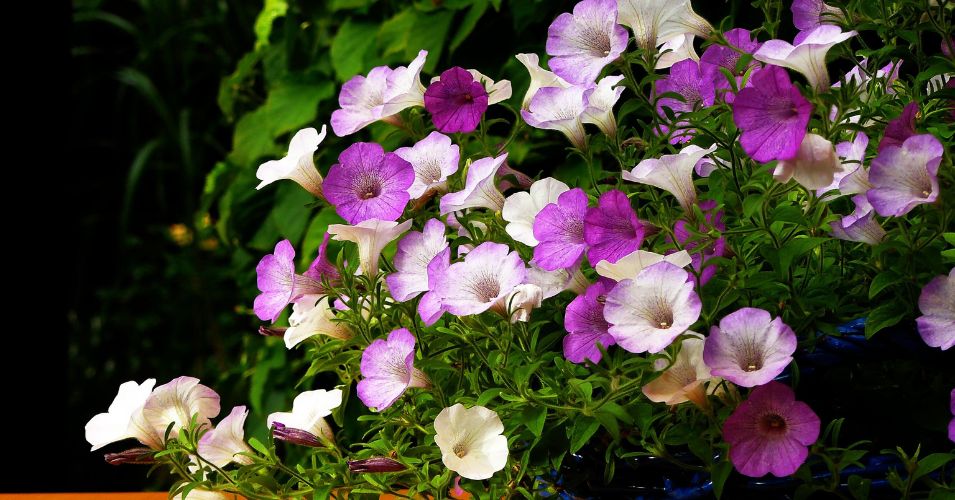
Petunias often look so good at the end of summer that pulling them up simply because fall has arrived feels like a waste. And often, it is.
These colorful plants can keep flowering well into the cooler months when the weather cooperates.
They do need a few care changes, though. Cooler soil stays wet longer, growth slows, and an unexpected frost can quickly damage tender stems and flowers.
Fall care is mostly about working with these seasonal changes. With less water, sensible feeding, occasional trimming, and some protection from cold, your petunias can finish the season looking their best.
Change Your Watering Routine as Temperatures Drop
Petunias that needed almost daily watering in July may need far less once fall settles in. Days are shorter, the sun is weaker, and cool soil doesn’t lose moisture nearly as quickly as it does in hot summer weather.
That makes fall a good time to stop watering by habit.
Before reaching for the watering can, push a finger about an inch into the soil. If it feels damp, leave the plant alone for another day. If it feels dry, water deeply enough to moisten the root area rather than giving the surface a quick splash.
This small change matters because soggy soil can become a bigger problem as temperatures fall.
Petunia roots need both moisture and air. When soil remains saturated for long periods, especially in a container with poor drainage, the roots can struggle and eventually begin to rot. A petunia sitting in wet soil may wilt or develop yellow leaves, which can sometimes fool gardeners into thinking it needs even more water.
Fall rain can make things a little trickier. Petunias planted in open flower beds may go several days without needing any extra water after a good soaking rain. A hanging basket under an overhang, on the other hand, might stay surprisingly dry even after a wet week.
Check the soil instead of judging by the weather alone.
When watering is necessary, pour the water around the base of the plant. Regularly wetting the foliage offers little benefit, especially in cool weather when leaves may take hours to dry.
Morning watering works well in fall. Any splashed leaves have time to dry during the day, and the plant goes into the cooler evening with less excess moisture sitting around it.
Keep a closer eye on pots and hanging baskets during bright or windy spells. Their limited amount of soil can still dry fairly quickly.
As autumn moves along, you will probably notice longer gaps between waterings. That is exactly what you should expect. Let the plant’s soil, rather than your summer routine, tell you when it is time for another drink.
Keep Petunias Blooming Through the Fall
By early fall, petunias rarely look as perfect as they did at the beginning of summer. Some stems have stretched farther than others, a few leaves may be yellow, and flowers can appear mostly at the ends of long, bare growth.
There is no reason to give up on them just yet.
Start with a quick cleanup. Pick off yellow or damaged leaves and remove dead plant material that has fallen into the pot or gathered underneath the plant. If your petunia produces persistent spent flowers, remove those too.
Then check its overall shape.
You can shorten long stems with only a handful of flowers at the tips. You do not need to cut the whole plant down at once. Trimming the most tired and stretched stems is often enough to make the plant look neater and encourage branching.
Be sensible about how much you remove late in the season. A petunia has less time to recover in September or October than it does in June, so this is not the moment for unnecessary heavy pruning if cold weather is already approaching.
Deadheading is another job that depends on the type of petunia you grow. Older, traditional varieties often look and perform better when you regularly remove faded flowers. Many newer varieties are bred to shed old blooms and continue flowering with little help.
Sunlight becomes easy to underestimate in fall.
A container that received plenty of summer sun may gradually fall into shade as the sun sits lower in the sky. If a potted petunia suddenly seems reluctant to flower, look at how much direct light it is actually receiving before assuming something is wrong with the plant.
Moving the container a few feet to a brighter spot can sometimes make a noticeable difference.
Garden petunias cannot be moved, of course, but keeping taller neighboring plants from leaning over them can help preserve the light that remains.
Do not expect midsummer levels of flowering forever. Cooler weather and shorter days naturally slow the plant down. Keep healthy petunias tidy, sunny, and free of worn-out growth.
Given decent fall weather, they may reward that small amount of attention with flowers for quite a while longer.
Cut Back on Fertilizer Late in the Season
Petunias are hungry plants in summer. All those flowers take energy, and plants packed into pots and hanging baskets can use up available nutrients surprisingly fast. That is why regular feeding often makes such a difference in June, July, and August.
Fall is another story.
As days shorten and nights cool, petunias naturally grow more slowly. They may still be covered in flowers during a warm September, but they are no longer growing at the speed they did in midsummer. Their need for fertilizer also drops.
You don’t need to stop feeding the moment fall arrives. If a container-grown petunia is healthy, actively growing, and still producing plenty of buds, continue feeding it lightly according to the fertilizer label.
Just resist the temptation to give it an extra dose to squeeze out more flowers before winter.
More fertilizer does not automatically mean more blooms. An unnecessary amount can encourage weak, leafy growth, and there is little point in pushing a petunia to produce tender new stems when colder nights are just around the corner.
Watch what the plant is doing instead.
If new growth has become scarce and flowering has slowed considerably, start easing off the fertilizer. Once the petunia has clearly stopped putting on much growth, you can stop feeding it for the season.
Plants growing in garden beds may not need much fall fertilizer, especially if the soil is reasonably fertile. A petunia that still has good leaf color and continues to bloom is unlikely to benefit from feeding simply because several weeks have passed since its last application.
Yellow leaves are not an automatic request for fertilizer either. Wet soil, aging foliage, cool conditions, or root trouble can produce similar symptoms.
Check those possibilities before reaching for plant food.
By late fall, the aim is to support whatever healthy growth remains. Feed petunias while they are still using those nutrients well, then back off as their growth naturally slows.
Protect Petunias From Cold Nights and Frost
Fall weather has a habit of changing quickly. You can have petunias flowering happily in the afternoon, then hear that temperatures may dip close to freezing overnight.
That forecast is worth paying attention to.
Petunias like warm conditions, and frost can damage their soft leaves, flowers, and stems. A cool night may slow them down without causing serious trouble, but freezing temperatures are another matter.
Potted petunias are fairly easy to manage if only one cold night is expected. Move the containers somewhere sheltered before temperatures fall.
A garage, shed, enclosed porch, or similar protected space can work for the night. Bring the pots back out once the cold spell passes so the plants can return to their normal light and growing conditions.
Hanging baskets should not be forgotten. Their exposed position can leave them especially vulnerable on a frosty night, so take them down and move them under cover when possible.
Petunias growing in flower beds obviously cannot come indoors.
For those plants, a frost cloth or lightweight sheet can provide temporary protection. Put the covering in place before the temperature reaches its lowest point, preferably while the soil still holds some warmth from the day.
Try not to squash the plants beneath a heavy cover. Stakes, hoops, or other simple supports can keep the material from resting directly on delicate flowers and stems.
Take the cover off the following morning after temperatures have climbed.
If a surprise frost reaches your petunias before you can protect them, do not pull the plants immediately. Flowers may turn limp, and some leaves may look damaged, while lower stems remain alive. Give the plant a little time, then remove clearly damaged growth and see how the rest responds.
Protecting petunias makes the most sense when another stretch of mild weather follows a single frosty night.
Once freezing nights become regular, covering and uncovering plants every evening will not change the season for long. At that point, the cold clearly signals that your outdoor petunias have reached the finish line.
Prepare Petunias for the End of the Growing Season
Sooner or later, fall catches up with petunias. You might notice only a few flowers opening, bare patches appearing among the stems, or leaves looking worn despite your usual care.
When the plant reaches this stage, it is usually better to accept that the season is ending than to try to coax it back into full bloom.
After frost has killed a petunia, remove the plant from its pot or pull it from the garden. Pick up fallen flowers, leaves, and stems at the same time. Leaving a pile of old growth behind isn’t helpful, especially if pests or disease caused problems during summer.
You can add healthy plants to a compost pile. If a petunia had a serious disease problem, disposing of it elsewhere is the safer choice.
Containers deserve some attention too. Pull out the old roots and brush away the remaining plant material. Clean pots that held unhealthy plants before reusing them.
Of course, you may have one petunia that you are not quite ready to lose.
You can sometimes collect seeds from mature seedpods and store them for spring. Just remember that hybrid petunias do not always come true from seed, so next year’s flowers could be quite different from the ones you enjoyed this year.
Taking cuttings before frost is another option. Choose healthy growth, root the cuttings, and keep the young plants indoors through winter where they receive plenty of light.
You can also attempt to overwinter an entire petunia indoors, although this takes more effort. Petunias often struggle with limited winter light, and bringing outdoor plants inside can introduce pests.
For many gardeners, starting with fresh petunias in spring is much simpler.
Once the old plants are gone and the area is cleaned, there is not much more to do. The season has run its course, and your pots and beds are ready for another round of petunias when warm weather returns.
Final Thoughts
Petunias can be surprisingly persistent in fall. Give them a stretch of mild weather, and they may continue flowering long after the rest of the summer garden has started looking tired.
Keeping them going does not require much fuss. The biggest change is recognizing that their needs are no longer the same as they were in July. Cooler soil means less water, slower growth means less fertilizer, and chilly nights make the weather forecast much more important.
Enjoy the flowers that remain without trying to force the plants back into their summer prime.
When frost finally ends the display, clear away the old growth and decide whether any favorite plants are worth saving through seeds or cuttings.
Until that point arrives, there is every reason to enjoy those last petunia blooms. A few extra weeks of color can make the fall garden feel much less like summer has already left.