
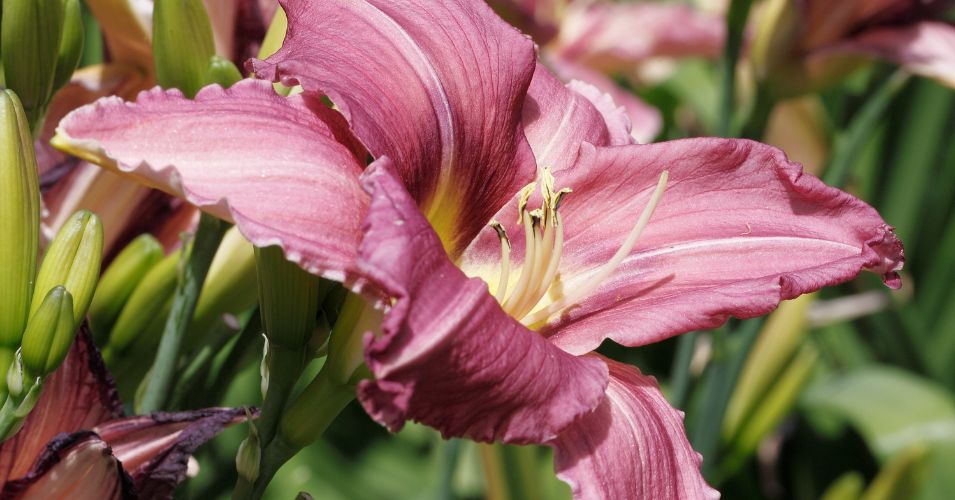
Daylilies have a reputation for being easy to grow, but that does not mean they should be left to fend for themselves. A little extra nutrition at the right time can make a noticeable difference, leading to healthier plants and a much better display of blooms.
While synthetic fertilizers offer quick results, many gardeners prefer natural alternatives that feed plants more gently and improve the soil at the same time. Whether you buy organic fertilizers or make your own at home, choosing the right option can keep your daylilies thriving for years.
This guide covers the best natural fertilizers, how to use them, and the mistakes worth avoiding.
Natural Fertilizers for Healthy Daylilies
If you ask experienced gardeners to recommend one natural fertilizer for daylilies, compost is likely to top the list. It is one of the few products that benefit both plants and soil at the same time.
Rather than delivering a quick burst of nutrients, compost feeds daylilies gradually while improving the growing conditions around their roots. A layer spread around the base of each plant in spring is often enough to give established clumps a strong start to the season.
That does not mean compost has to do all the work. Other natural fertilizers can fill specific roles, especially if your daylilies need a little extra support.
Worm castings are a good example. They may not look impressive, but they contain nutrients that plants can absorb easily. They are also gentle enough that you do not have to worry about damaging your daylilies with a light application.
For gardeners hoping to encourage more flowers, bone meal is another popular choice. Because it is naturally rich in phosphorus, it supports healthy root development and flower production. It is especially useful when planting new daylilies or dividing older clumps that need time to settle into their new location.
Aged manure has earned its place in flower gardens for generations. Once it has fully composted, it becomes a valuable source of nutrients that also improves the texture of the soil. The key word is aged. Fresh manure is far too strong and can do more harm than good, so always choose manure that has been properly composted before using it around ornamental plants.
Some gardeners also like to give their daylilies a boost with fish emulsion or alfalfa meal during spring. Fish emulsion works quickly, making it useful when fresh growth appears after winter, while alfalfa meal releases nutrients more gradually. Neither is essential, but both can be worthwhile additions if your plants seem to need a little extra encouragement.
The good news is that daylilies are not heavy feeders. A modest amount of natural fertilizer each year is usually all they need. Feeding them lightly and consistently often produces better results than trying to force rapid growth with large amounts of fertilizer.
Homemade Fertilizers You Can Use on Daylilies
You do not have to spend money every time your daylilies need feeding. Some of the most useful fertilizers are made from materials that would otherwise end up in the trash or compost bin.
While homemade options are not as concentrated as many commercial products, they can still make a meaningful contribution to a healthy garden.
A homemade compost pile is the best place to start. Vegetable peelings, garden trimmings, fallen leaves, and other plant material slowly break down into a dark, crumbly compost that daylilies love.
It takes patience to make, but the finished product improves the soil in ways that bottled fertilizers simply cannot. Many gardeners consider it the single most valuable addition they can make to a flower bed.
If you already have finished compost, turning some of it into compost tea is an easy next step. The liquid can be poured around the base of daylilies during the growing season to provide a gentle feed. It is not meant to replace compost itself, but it is a simple way to put homemade nutrients to good use.
Freshwater aquarium water is another resource that often goes to waste. Instead of pouring it down the drain, many gardeners use it to water flowers. Fish waste contains nutrients that plants can use, making routine tank cleaning surprisingly useful in the garden. Just make sure the water does not contain salt or chemical treatments.
Autumn leaves deserve a mention as well. Shredded leaves spread around daylilies break down slowly, adding organic matter to the soil and helping it retain moisture during warm weather. They may not work overnight, but they continue improving the garden long after they have been applied.
Some homemade remedies are surrounded by more enthusiasm than evidence. Eggshells, for example, do contain calcium, but they decompose so slowly that they should not be counted on as a reliable fertilizer. They are better added to a compost pile than scattered around plants on their own.
Homemade fertilizers work best when expectations are realistic. Think of them as small improvements that add up over time. Used regularly alongside good watering habits and healthy soil, they can help daylilies grow stronger and bloom reliably year after year.
Are Synthetic Fertilizers Better Than Natural Options?
Natural fertilizers are usually the better choice for daylilies, but that does not mean synthetic fertilizers are off the table. Both can produce healthy plants when used correctly. The difference is how they feed your garden and how much attention they require.
Synthetic fertilizers work fast because the nutrients are immediately available. If a daylily is struggling or growing in poor soil, a quick application can produce greener leaves within a short time.
That speed is their biggest advantage, but it is also the reason they are easy to overuse. Too much fertilizer often encourages lush foliage instead of flowers, leaving you with large clumps of leaves and fewer blooms.
If you decide to use a synthetic fertilizer, look for one with a balanced or low nitrogen ratio. A product with an NPK ratio close to 5-10-10, 10-10-10, or 5-10-5 is generally a better fit than a high-nitrogen lawn fertilizer.
The extra phosphorus supports flower production, while moderate nitrogen helps maintain healthy foliage without encouraging excessive leafy growth.
Natural fertilizers behave differently. Instead of delivering nutrients all at once, they release them gradually as they break down. That slower process suits daylilies well because these plants are not heavy feeders. Organic materials also improve the soil itself, making it easier for roots to access water and nutrients over time.
There is also less room for error. A light application of compost or worm castings is unlikely to harm established plants, whereas too much synthetic fertilizer can scorch roots or upset the balance of nutrients in the soil.
For most home gardens, natural fertilizers are the better long-term investment. They improve the growing conditions with every application and encourage steady, reliable flowering.
Synthetic fertilizers still have their place, particularly if plants need a quick boost, but they work best when used sparingly rather than as the main source of nutrition.
When and How to Fertilize Daylilies Naturally
One of the biggest mistakes gardeners make is assuming that more fertilizer means more flowers. Daylilies do not need heavy feeding. In fact, applying too much fertilizer often produces the opposite result by encouraging leaves instead of blooms.
The best time to feed daylilies is in early spring, just as fresh shoots begin pushing through the soil. This is when the plants are waking up and preparing for a new season of growth. A layer of compost or another organic fertilizer applied around the base of each clump provides roots with access to nutrients as growth begins.
If your daylilies are reblooming varieties, a second light feeding after the first round of flowers has finished can be worthwhile. This gives the plants enough energy to support another flush of blooms without overwhelming them. Established varieties that bloom only once each year often do just fine with a single spring application.
How you apply the fertilizer matters as much as when you apply it. Spread compost, worm castings, or other granular organic fertilizers over the root zone instead of piling them against the crown. Leaving a little space around the center of the plant improves air circulation and reduces the chance of excess moisture collecting where new growth emerges.
Water the area after fertilizing if rain is not expected. Moisture helps carry nutrients into the soil, where the roots can begin using them. During dry periods, regular watering is often just as important as fertilizer. Even the best organic products cannot do much if the soil is completely dry.
Once your daylilies are established, resist the urge to keep feeding them throughout the season. Healthy plants usually tell you everything you need to know. If they produce strong green leaves and a generous display of flowers each year, your fertilizing routine is already doing its job.
Common Fertilizing Mistakes That Prevent Better Blooms
When daylilies fail to bloom well, fertilizer is often the first thing gardeners blame. Ironically, fertilizer is sometimes the reason plants underperform in the first place. A few simple mistakes can leave you with plenty of leaves but very few flowers.
The biggest issue is usually overfeeding. Daylilies are naturally low-maintenance plants, so they do not need constant fertilizer applications to thrive. Adding more every few weeks will not create bigger blooms.
Instead, it often encourages fast, leafy growth that diverts energy from flower production. A modest feeding in spring is enough for most varieties, with reblooming types occasionally benefiting from a second light application later in the season.
Using the wrong fertilizer can also hold plants back. Lawn fertilizers are a common culprit because they are typically high in nitrogen. While they can produce rich green foliage, they rarely encourage the impressive flower display most gardeners are hoping for.
If you decide to use a synthetic fertilizer, choose one formulated for flowering plants instead of grass.
It is also easy to overlook the condition of the soil itself. Even the best fertilizer cannot compensate for compacted ground or poor drainage.
If water regularly sits around the roots after rain, or the soil becomes hard and dry within a day or two, improving the growing conditions should be the priority. Healthy roots are the foundation of healthy blooms.
Another mistake is expecting instant results. Natural fertilizers work gradually, which is exactly why they are so effective over the long term. Compost, aged manure, and other organic materials continue improving the soil as they break down, so their greatest benefits become more noticeable with each passing season.
Sometimes the best thing you can do is step back. A well-established daylily growing in healthy soil often needs very little attention beyond occasional watering and a light annual feeding. Trying to do too much can be more harmful than doing too little.
Final Thoughts
Growing beautiful daylilies does not require a shelf full of fertilizers or a complicated feeding schedule. In most gardens, the simplest approach is also the most effective.
An annual application of compost, supplemented with other natural fertilizers as needed, provides everything these dependable perennials need to grow and bloom well.
Patience also plays an important role. Unlike synthetic fertilizers, which deliver quick results, organic options improve the garden a little more with each season. As the soil becomes richer and healthier, daylilies develop stronger roots, produce sturdier foliage, and reward you with larger displays of flowers.
Feed your plants lightly, pay attention to how they respond, and let healthy soil do most of the work. With that approach, your daylilies can continue to thrive and fill your garden with colorful blooms for many years to come.