
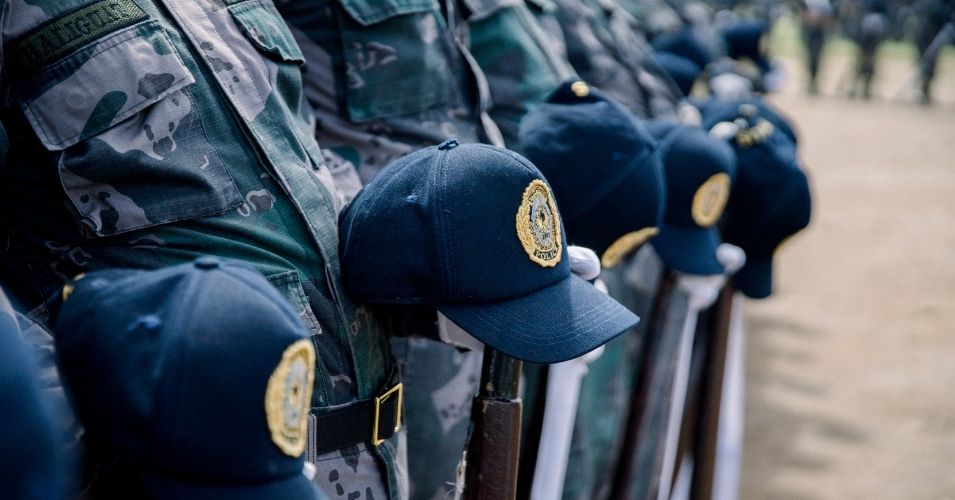
Retiring as a police officer creates a shift that is deeper than most people realize. After years of living with structure, duty, and constant readiness, the slower rhythm of retirement can feel unfamiliar and even unsettling.
The job becomes part of who you are, so stepping away leaves space that is hard to fill at first. Many hidden struggles rise quietly during this time, from changes in daily habits to the emotional weight of memories that resurface.
These challenges can feel overwhelming, but they can also open the door to healing and renewal. Understanding them helps make retirement a gentler transition.
Difficulty Adjusting to Life Without the Uniform
Retiring from law enforcement often feels like stepping into a world that moves at a different speed. After years of wearing the uniform, carrying gear, and preparing your mind for whatever each shift might bring, suddenly waking up without that routine can feel unsettling.
The uniform was more than clothing. It was a symbol of responsibility, identity, and purpose. When it is no longer part of your daily life, the absence can leave a void that is deeper than many expect.
For many officers, the routine of getting ready for work brings a sense of structure and direction. The uniform signals the start of duty, focus, and readiness. Without it, mornings may feel strange and aimless. You may find yourself waking at the same time out of habit, unsure of what to do with that early energy.
Everyday clothes may feel uncomfortable because they do not carry the same meaning or weight. Some retirees even describe feeling anonymous or invisible when they move through the world without the uniform that once told everyone who they were.
This adjustment affects more than appearance. It touches the way you see yourself. When you no longer step into a role that requires discipline, quick thinking, and vigilance, you may feel uncertain about how to act or how to carry yourself.
The alertness that once guided your actions may still be present, but without the uniform, it can feel misplaced or unnecessary. This can create tension as your mind and body try to relearn how to exist in a slower, less structured environment.
Coping with this shift begins with recognizing that identity is not tied solely to clothing or a badge. It helps to build new routines that give your days structure and purpose.
Simple habits like morning walks, volunteer work, regular exercise, or hobbies can replace the sense of order you once found in preparing for a shift. Maintaining personal discipline through healthy routines can also help you feel grounded without the uniform.
Over time, you learn that the qualities that made you effective in uniform still belong to you. The discipline, courage, patience, and strength you built through years of service do not disappear when you hang up the uniform.
They become part of who you are as a person, not just who you were as an officer. As you slowly adjust, you begin to understand that life without the uniform can be meaningful, peaceful, and fulfilling in its own way.
The Emotional Toll of Leaving a Role That Carried Authority
Serving as a police officer means carrying authority, responsibility, and the weight of decisions that affect lives. For years, people looked to you for protection, guidance, and leadership. You were trained to remain calm under pressure and to step forward when others stepped back.
When retirement arrives, the sudden loss of that respected role can create an emotional struggle that many officers never expect. The authority that once shaped your interactions and your purpose no longer follows you into daily life, and this shift can feel unsettling.
During your career, authority was part of your presence. People listened when you spoke, trusted your judgment, and relied on your direction in emergencies. Retirement removes that context completely.
You may feel unsure of how to behave in situations where you once would have taken charge. Everyday conflicts that you might have mediated without hesitation now belong to someone else. This loss of influence can feel like losing a part of yourself, especially if you took pride in handling difficult situations with confidence.
The emotional toll becomes heavier when you realize how deeply the role shaped your self-worth. You spent years being the person others depended on, and stepping away can bring a sense of emptiness.
Some officers feel overlooked or unimportant, even though their service was significant. Others struggle with the sudden change in how people treat them. Without the uniform and badge, interactions may feel different, and you may feel disconnected from the respect and recognition you once received.
Coping with this shift requires acknowledging that your worth was never tied solely to authority. It helps to focus on the qualities behind that authority, such as leadership, integrity, and compassion.
These qualities remain valuable in everyday life, even outside the job. You can also find healthy ways to use your experience by mentoring younger officers, volunteering in community programs, or supporting organizations that help others.
Over time, you begin to understand that authority was a role, not your identity. Your true value comes from the strength of character you carried through your years of service. As you accept this, the emotional weight becomes lighter, and you gain confidence in who you are beyond the badge.
Challenges Handling Memories You Once Pushed Aside
Retirement gives you something you rarely had during your years in law enforcement. It gives you time. That time can feel peaceful on the surface, but it can also bring back memories you spent years pushing aside.
While you were on the job, you were trained to stay composed and focused. You learned to keep moving, to solve the problem in front of you, and to file away the emotional weight for another day. But once the structure of daily duties disappears, those memories often return with surprising strength.
Moments you thought you had forgotten can rise without warning. Situations that were intense or painful may replay in your mind more clearly than they did when they first happened. You might recall calls that ended well or ones that did not.
You might remember faces, voices, or scenes that you did not have time to fully process at the time. Even positive memories can bring emotional complexity because they remind you of who you were on duty and what you carried throughout your career.
These memories can create emotional exhaustion because you no longer have the constant motion of the job to distract you. The silence of retirement creates room for reflection, and while reflection is healthy, it can also be overwhelming if you face it without support.
You might struggle with guilt over situations you could not control or frustration about things you wish had gone differently. Some retirees describe feeling unsettled by memories that resurface not because they are new, but because they were never fully processed before.
Coping with these challenges involves allowing yourself permission to feel what you could not feel before. Talking with a counselor, therapist, or support group can help you sort through emotions that surface.
Sharing your experiences with someone who understands the pressures of the job can bring relief and clarity. Writing in a journal or practicing quiet reflection can also provide an outlet for emotions that feel trapped or confusing.
Healing from old memories is not a sign of weakness. It is a sign of strength. It shows that you are finally giving yourself the space you never had during your working years. With patience, understanding, and healthy support, you can turn painful memories into moments of growth. Over time, they hold less power, and you begin to feel lighter, calmer, and more at peace with your past.
Feeling Out of Place in Everyday Civilian Environments
Police work shapes the way you see the world. You learn to observe everything, stay alert, think ahead, and prepare for the unexpected. These habits keep you safe on duty, but they do not disappear when you retire.
Instead, they follow you into civilian life, where they can make you feel out of place. While others move casually through the world, you may find yourself scanning exits, noticing details others overlook, or feeling tense in situations that most people find normal.
Simple tasks like walking through a crowded store or sitting in a busy restaurant may feel uncomfortable at first. You may instinctively watch people more closely or sit in certain spots where you can see the room clearly.
Even though you are no longer responsible for responding to danger, your mind may still behave as if you are on duty. This can create frustration because you know you are safe, yet your instincts remain active.
You might also feel disconnected from people who have never experienced the pressure of law enforcement. Their concerns may seem smaller, their reactions slower, or their awareness limited compared to what you are used to. This difference in perspective can make you feel misunderstood or separate from others, even those closest to you. It can also create moments where you question where you fit now that you are no longer part of the job.
Coping with this struggle begins with acknowledging that these instincts were learned through years of service and will not disappear overnight. They are not flaws. They are survival skills that kept you and others safe.
With time and patience, you can learn to soften them so they fit better into everyday life. Mindfulness techniques, breathing exercises, and grounding strategies can help your body relax in situations that feel tense. Spending time with people who understand the demands of law enforcement, such as fellow retirees, can also make social environments feel more comfortable.
As you adjust, you discover that you do not have to lose the skills you gained as an officer. Instead, you learn how to carry them differently. You learn how to feel safe without being on alert and how to move through civilian life with confidence rather than tension. Over time, the world begins to feel less foreign, and you start to find your place in it again.
Struggling to Redefine Strength When the Job No Longer Defines You
Police work often demands a level of strength that reaches far beyond physical toughness. It requires emotional control, steady decision-making, resilience under pressure, and the ability to face challenges most people never encounter.
Over the years, this strength becomes part of your identity. It becomes the standard you hold yourself to and the image others expect from you. When retirement arrives and the demands of the job fall away, you may begin to wonder what strength looks like now. Without a uniform or a duty to serve, the meaning of strength becomes harder to recognize and more difficult to hold on to.
Many retired officers feel unsure of themselves when they are no longer stepping into difficult situations or solving urgent problems. You may wonder whether the strength you carried still holds value in a quieter life.
You might feel less needed, less capable, or less confident because the world around you no longer relies on your quick decisions or protective presence. This internal struggle can be confusing because the qualities that made you strong did not disappear. They simply no longer operate in the same environment.
The challenge becomes even more complicated when you feel pressure to hide vulnerability. During your career, showing emotion or admitting fear may have felt unsafe or unprofessional. Retirement, however, creates space for emotions you once pushed aside.
Allowing yourself to feel them can make you question your strength, even though doing so is actually a sign of growth. Adjusting to a new version of strength means learning to see value in gentler qualities like patience, openness, self-care, and connection.
One of the most effective ways to cope with this struggle is by redefining strength in terms of who you are rather than what you do. Strength can mean taking care of your health, building new relationships, or allowing yourself to rest without guilt.
It can mean reflecting on your life with honesty or seeking help when you need it. These kinds of strength are quieter but just as important as the bold strength you displayed during your years of service.
Over time, you start to understand that true strength is not limited to action. It also exists in healing, learning, and adapting.
Retirement gives you a chance to discover a version of strength that supports your emotional well-being and helps you step confidently into the future. You learn that even without the job defining you, the courage and resilience within you remain, guiding you into a new season where strength looks different but feels just as real.
Final Thoughts
Retiring as a police officer brings challenges that are often hidden beneath the surface.
The shift from a high-pressure career to a quieter life can uncover emotions, memories, and identity changes that are difficult to navigate.
Yet each struggle also creates space for healing, clarity, and personal growth. With patience and support, retirement becomes a chance to rediscover who you are beyond the badge and to build a life rooted in peace, purpose, and renewed strength.