
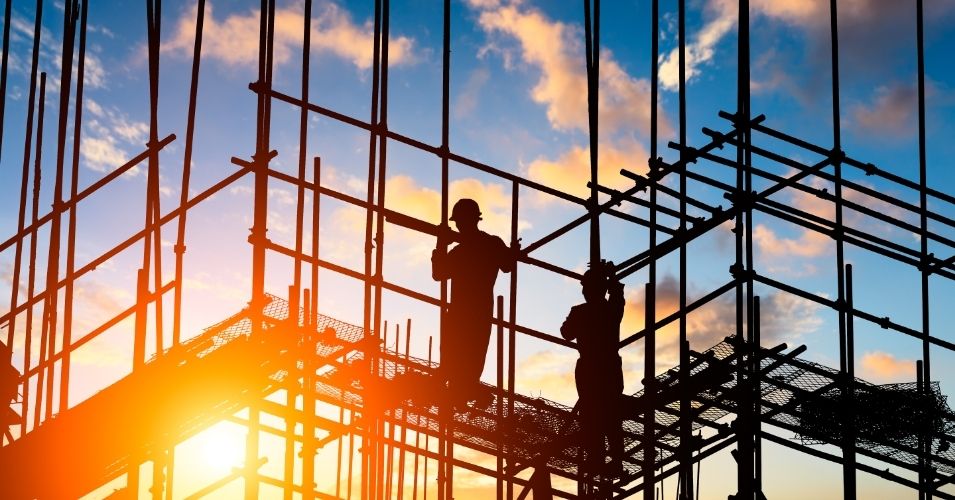
Construction work builds cities, homes, roads, and lives. It also takes a quiet toll on the body, the mind, and the spirit over many long years.
For most construction workers, the job is more than a paycheck. It is pride, identity, and proof of endurance.
Still, every career has a season. There comes a time when staying on the job may cost more than it gives back.
Recognizing the signs of when to step away can protect your health, your family, and your hard-earned future before the choice is taken out of your hands.
When Your Body Starts Keeping Score
In the early years, your body feels like a reliable tool. You climb, lift, carry, kneel, and repeat without much thought. Soreness fades overnight. Fatigue feels normal and temporary. You trust that a good night of sleep will set things right again.
As the years pass, that recovery changes. Pain no longer stays on the surface. It settles deeper into the joints, the back, and the shoulders. Morning stiffness becomes part of the routine. You take longer to loosen up before the work even begins.
Old injuries return with new intensity. A knee that once healed now swells after every long day. A shoulder that was pulled years ago never quite feels stable again. You begin to notice what movements you avoid. You shift weight differently. You work around pain instead of through it.
Fatigue also takes on a different shape. It is not just physical tiredness. It is a deep weariness that builds through the week. Even days off do not fully restore your strength. Your body feels like it is always behind the work instead of keeping pace with it.
Minor accidents feel more dangerous now. A slip on scaffolding or a misjudged step feels heavier with consequences. You become more aware of what could happen. The job starts to feel sharper around the edges.
Medical visits increase. You hear words like damage, strain, and limitation more often. You may rely on braces, medication, or therapy just to stay on the job. These supports help, but they also signal change.
The body keeps score of every lift, every fall, every long day in the heat and cold. When the score becomes too high, continuing the same pace can risk permanent injury. Listening to what your body is telling you can be the first step toward a safer future.
The Work No Longer Feeds the Fire
Most construction workers do not stay in the trade by accident. There is pride in seeing something rise from the ground. There is satisfaction in solving problems with your hands. The work once brought energy along with exhaustion.
Over time, that inner fire can dim. You still show up. You still do the job. But the drive that once pushed you forward feels weaker. The sound of the alarm no longer sparks motivation. It brings dread.
What once felt challenging now feels repetitive. Each project blends into the next. You stop feeling impressed by what you build because you have built it all before. The excitement of creation is replaced by the pressure of deadlines and expectations.
Stress begins to outweigh reward. Weather delays, supply shortages, and changing inspectors add tension to every job. You carry work home in your thoughts. Even off the clock, your mind is still at the site.
Your patience grows thinner. Small problems feel larger than they used to. Conversations feel sharper. The job seems to take more than it gives.
You may notice that you no longer talk about future projects with interest. You talk about getting through the week instead. You stop planning upgrades to tools or training. You stop picturing yourself on the job five years from now.
Burnout does not arrive all at once. It settles in quietly. It shows up as indifference where passion once lived. When the work no longer feeds the fire that once kept you going through early mornings and long days, it can be a powerful sign that your season in construction is beginning to change.
Money Priorities Begin to Change
Early in a construction career, the focus is often on steady checks, overtime hours, and climbing the pay scale. Long weeks feel worthwhile because each shift builds both skill and income. Money is tied closely to physical effort, and working more usually means earning more.
Over time, that equation begins to change. You may notice that extra hours do not feel as valuable as they once did. The body pays a higher price for overtime. Recovery costs more in pain and fatigue than the paycheck seems to cover.
Your goals shift from earning more to protecting what you already have. You think more about savings, investments, and long-term security. The idea of taking financial risks becomes less appealing. Stability takes priority over growth.
Medical expenses may also enter the picture. Co-pays, therapy, and prescriptions slowly become part of the budget. The value of good insurance rises sharply. You may begin looking at future health costs with greater seriousness.
Retirement accounts once seemed far away. Now their balances feel very real and very important. You check them more often. You start calculating how many working years remain. You weigh every financial decision against how it will affect your freedom later.
You may also begin to consider different types of income. Passive investments, part-time consulting, or less physical work start to look appealing. The idea of tying all income to daily labor becomes less attractive.
When money priorities begin to change, they often reflect a deeper shift in perspective. The focus moves from short-term earning to long-term well-being. This financial awareness can be one of the clearest signals that retirement planning is no longer optional. It is becoming central to how you define success and security.
Family Needs Take Center Stage
Construction work often demands long days, early starts, and unpredictable schedules. For many years, family life bends around that reality. Spouses carry extra weight at home. Children learn to fit into a work-centered routine.
As time passes, family needs begin to grow in new directions. Aging parents may require care. Grandchildren may come into the picture. Health issues within the family may demand a stronger presence at home. These needs rarely fit neatly around job site schedules.
You may start missing milestones that you once thought you could always catch up on later. School events, medical appointments, and simple family moments begin to feel more precious. You feel the cost of being away more deeply.
A spouse or partner may express growing concern about the physical dangers of the job. Injuries that once seemed like part of the trade now feel unacceptable risks. Conversations turn toward safety, stability, and the future.
You may also notice a desire to be more present in daily life. Sharing meals. Helping with homework. Being available without checking the clock. These wishes grow stronger as the years move on.
Family does not always demand change with urgency. Often it does so quietly through shifting priorities and deeper responsibilities. You feel pulled in two directions between commitment to work and commitment to the people who depend on you most.
When family needs take center stage, they can be one of the strongest signs that your chapter in construction is nearing a close. Retirement becomes less about leaving work and more about stepping fully into the life that work was meant to support.
You Picture Life Beyond the Job Site
For many years, your thoughts about the future were tied tightly to schedules, crews, and projects. You planned in weeks and months. Your sense of time followed the rhythm of contracts and deadlines.
Then one day, your imagination begins to wander in a different direction. You find yourself thinking about mornings without steel-toe boots. You imagine starting the day without checking a job list or weather report.
You picture what it would feel like to move through a day without the constant noise of tools and machinery. The quiet sounds appealing instead of unsettling.
Travel begins to cross your mind in a serious way. Not just quick weekend trips, but longer journeys without the need for approval or rushed returns. You consider visiting family you rarely see or places you once promised yourself you would go someday.
Hobbies that once felt out of reach start to resurface. Fishing. Woodworking. Gardening. Coaching. These interests feel possible again, not just dreams deferred by exhaustion.
Your sense of identity also begins to stretch beyond the job. You start to see yourself as more than a worker on a crew. You imagine being a mentor, a volunteer, a grandparent, or simply someone with time to give.
The job still matters. The pride in your work does not disappear. But the need to be at every site and solve every problem begins to loosen its grip. You trust others to carry the load.
You also start to measure life less by hours worked and more by moments lived. Time feels more valuable than overtime. Presence becomes more important than production.
When you can easily picture a fulfilling life beyond the job site, it is often your mind preparing you for a new season. Retirement begins to feel less like an ending and more like an opening. You are ready to move toward the life you postponed while you built so much for others.
Final Thoughts
Retiring from construction is not a single decision made in one moment. It unfolds through the body, the finances, the family, and the quiet dreams that grow over time. The signs rarely arrive all at once. They build slowly through years of hard work and sacrifice.
Stepping away does not erase what you have built. It honors it. The roads, homes, buildings, and bridges you helped create will stand as proof of your effort long after the last shift ends.
When the signs become clear, choosing retirement can be an act of strength rather than surrender. It allows you to protect your health, deepen important relationships, and step fully into a future shaped by choice instead of necessity.