
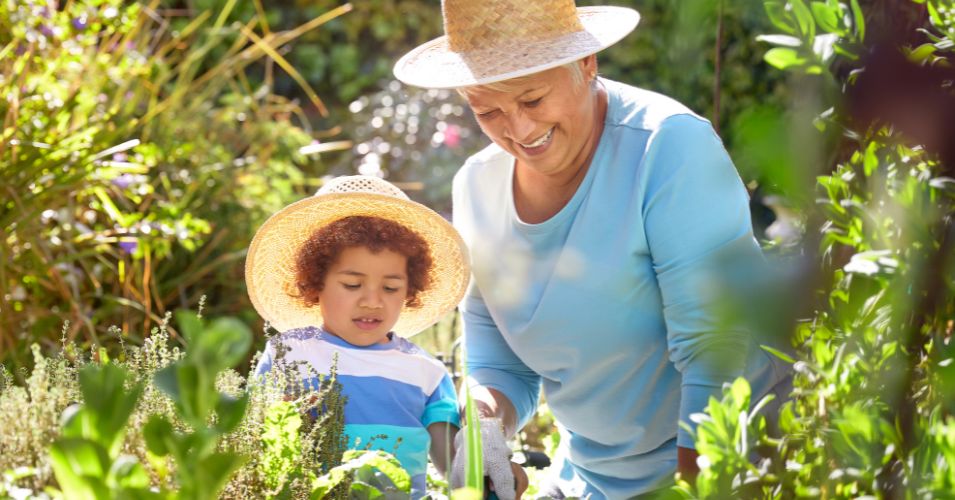
Words can guide and comfort, but some of the most lasting lessons are taught through quiet example. People often learn by watching how you live.
Your actions show your values, priorities, and character. Even without realizing it, you are teaching others every day.
This article will explore how living with care and intention can teach powerful lessons that speak louder than words ever could.
Show Respect Even When It Is Not Returned
Respect is one of the clearest lessons you can teach without ever speaking a word. The way you treat people, especially those who may not treat you kindly in return, says more about your character than any advice you could give. People watch closely to see how you respond to rudeness, unfairness, or disrespect. Your reaction becomes a quiet, powerful example.
When you continue to show respect in the face of disrespect, you teach others about self-control, dignity, and grace. You show that being kind is not something you do only when it is easy or when others deserve it. It is a reflection of who you are, not who they are. This kind of steady respect sends a clear message that your values are not dependent on someone else’s behavior.
Children especially pay attention to these moments. They notice if you speak politely to a server who made a mistake. They see how you handle someone cutting in front of you in line. They watch your reaction when someone speaks sharply or unfairly. Even if they never mention it, they are learning how to treat others by watching how you navigate these situations.
This silent lesson goes deeper than teaching simple manners. It shows strength and emotional maturity. It demonstrates that you can hold onto your own values even when others fall short. Over time, those who observe you will learn that respect is not something earned only by those who are kind, but a choice you make because it reflects your own standards.
In a world where disrespect can often feel loud and common, your quiet, steady respect stands out. It teaches that true strength comes from staying kind, even when kindness is not returned.
Let Your Work Ethic Speak for Itself
Hard work is often praised, but it is much more powerful when it is quietly demonstrated. People learn far more about dedication and responsibility by watching how you approach your work than by hearing you talk about the importance of hard work. Your work ethic becomes a silent teacher every time you show up, stay focused, and give your best effort, even when no one is watching.
When you consistently take pride in your work, whether it is a big project or a simple daily task, you show others what it means to be dependable. You prove that doing your best is not about getting praise but about personal integrity. This steady effort sets a clear example for others to follow.
Children and younger people in particular absorb these lessons quickly. When they see you tackling responsibilities without constant complaint or excuses, they learn that work is not something to avoid or fear. Instead, it becomes something to approach with care and confidence. They learn that satisfaction often comes from doing a job well, even when it is hard.
Your work ethic also shows how to handle challenges. When things go wrong, when deadlines get tight, or when setbacks occur, your response teaches resilience. If you stay calm, adjust your plan, and keep moving forward, you show that hard work is not about perfection but persistence. This quiet strength often leaves a deeper impression than any motivational speech.
Letting your work ethic speak for itself also builds credibility. Over time, others trust you because they see your consistency. They know you are someone who can be counted on, not because you say so, but because your actions prove it.
In the end, your steady, quiet dedication becomes a powerful life lesson. Without saying a word, you show that true success is built one committed effort at a time.
Handle Mistakes with Grace and Responsibility
Everyone makes mistakes. They are a natural part of life, no matter how careful or experienced you are. But how you handle mistakes teaches far more than the mistake itself ever could. When others see you respond to your errors with grace and responsibility, you quietly show them how to approach failure with dignity.
The first silent lesson comes from taking ownership. When you admit a mistake openly instead of blaming others or making excuses, you teach accountability. You show that being wrong is not something to hide from, but something to face with honesty. People respect those who are willing to say, “I was wrong,” or “I could have done better.” These simple words speak volumes about character.
How you fix your mistakes offers a second lesson. Taking action to correct a problem, rather than pretending it did not happen, shows responsibility and maturity. Even small efforts to make things right teach others that mistakes do not define you. It is your response that matters most.
Grace in the face of mistakes also means showing yourself kindness. Beating yourself up or falling into shame helps no one. When you respond with calm reflection instead of harsh self-criticism, you demonstrate self-compassion. This teaches others that it is possible to acknowledge faults without letting them crush your confidence.
These lessons become even more powerful when people see you handle repeated challenges with steady grace. Over time, you model that growth is a lifelong process. No one gets everything right the first time, and that is perfectly okay.
By handling your mistakes with grace and responsibility, you create a silent but powerful message. You show that strength comes not from being perfect but from being honest, learning, and continuing to move forward.
Model Patience During Difficult Moments
Patience is one of the most difficult virtues to master, yet it may be one of the clearest ways to teach strength without saying a word. Difficult moments test patience in ways that bring your true character to the surface. How you handle frustration, delays, or disappointment quietly teaches others how to navigate their own challenges with calm and grace.
When things do not go as planned, people naturally look to those around them for cues on how to react. If you lose your temper, complain, or rush to blame, that reaction becomes part of what others absorb. But if you remain calm, steady, and focused on finding solutions, you offer a far more powerful example. You show that emotions can be felt without losing control.
Patience also shows up in how you treat others during their struggles. When someone makes a mistake, moves slowly, or struggles to understand something, your gentle response teaches empathy. It shows that offering time and understanding often helps more than pushing or criticizing. These quiet moments of patience speak volumes about kindness and respect.
Modeling patience does not mean you never feel frustration. It means you choose how to express it. Taking a deep breath, pausing before responding, or stepping back to gain perspective all show others that emotions can be managed. Over time, this approach builds emotional strength in those who watch you.
Children especially benefit from seeing patience in action. They learn that not everything needs to happen right away, that waiting can be worthwhile, and that frustration does not need to lead to anger. This understanding shapes their ability to handle future challenges with greater maturity.
When you model patience during difficult moments, you quietly teach one of life’s most valuable lessons. You show that calm persistence often achieves more than rushing or reacting. And that steady example will stay with those who observe you long after the moment has passed.
Demonstrate Generosity in Everyday Life
Generosity is not only about giving large amounts of money or making grand gestures. The most meaningful forms of generosity are often simple, quiet acts woven into everyday life. And when you consistently live with a generous spirit, you teach others how to give without ever needing to say a word.
Generosity shows up in how you share your time, attention, and energy. It can be as simple as helping a neighbor carry groceries, giving your full attention to a friend who needs to talk, or volunteering a few hours to help a community cause. These small acts demonstrate that generosity is not measured by size but by sincerity.
When people observe your generosity, they learn that true giving comes from the heart. You are not giving to impress others or to receive something in return. You are giving because you care. This kind of quiet generosity teaches humility, kindness, and empathy.
Children and younger people learn powerful lessons by watching how you give. If they see you consistently offering help without being asked, or sharing your time even when you are busy, they learn that generosity is a natural part of daily life. They see that even simple acts can have a big impact on others.
Generosity also teaches resilience and gratitude. When you give to others, even in small ways, you remind yourself that you have something valuable to offer. This shifts your focus away from what you lack and toward the good you can do. Others watching you learn that everyone, no matter their situation, has the power to make a difference.
By demonstrating generosity in your daily actions, you pass down a deep, lasting lesson. You show that giving is not about wealth or recognition but about being present, caring, and willing to make life a little better for those around you.
Final Thoughts
Life’s most meaningful lessons are often taught without a single word being spoken. Through your steady actions, quiet choices, and thoughtful responses, you offer others a clear and lasting example of how to live with strength, kindness, and character.
By living these lessons every day, you leave a mark that continues to shape others long after any words have faded.