Everyone holds special memories. Some bring smiles, some bring tears, but all have shaped who you are.
Those memories do not have to stay tucked away. You can turn them into creative projects that preserve your stories and give them new life. You do not need to be an artist or writer. You only need a willingness to share.
In this article, you will find simple ways to transform your memories into projects that matter, whether for yourself, your family, or future generations.
Why Memories Are Powerful Fuel for Creativity
Memories are more than just flashes from the past. They are full of emotions, lessons, and personal meaning. When you think back to a moment that made you laugh, cry, or grow, you are not just remembering. You are connecting with a part of yourself. That connection is where creativity begins.
Creative projects come alive when they are built on something real. And nothing feels more real than something you’ve lived through. That’s why memories are such powerful fuel. They are already filled with detail, feeling, and story. You don’t have to make them up. You just have to shape them into something you can share.
Think about a day you’ll never forget. Maybe it was a family trip, your first time riding a bike, or a moment you felt proud of yourself. These memories hold color and sound. They have texture. They have meaning. And when you create from that, your project becomes more than just a craft. It becomes a piece of who you are.
Using memories also helps you connect with others. When someone sees your photo collage, hears your spoken story, or reads your short piece of writing, they recognize the emotions in it. Even if they haven’t lived the same moment, they can relate. That’s the magic of personal storytelling. It turns something private into something shared.
And you don’t have to wait until a memory feels “important” enough. Even small moments can hold creative power. A quiet walk, a family meal, or a funny mistake can all turn into something beautiful when looked at with care.
So if you’re looking for a place to begin a new project, start with your own life. The stories are already there. All you have to do is bring them out into the world.
Finding the Right Format for Your Story
Once you know which memory you want to use, the next step is to decide how you want to tell it. There’s no single “right” way. The best format is the one that fits you and the story you’re trying to share.
If you enjoy writing, maybe you turn your memory into a short story or a personal essay. It could even be a letter to your past or future self. Writing lets you explore the emotions behind the moment and shape them with words.
If you prefer visuals, photos or videos might be the better fit. You could create a photo album, a short film, or even a digital scrapbook. Add captions or music to bring your memory to life in a new way. Visual formats work well when your memory is tied to places, faces, or scenes that still feel vivid in your mind.
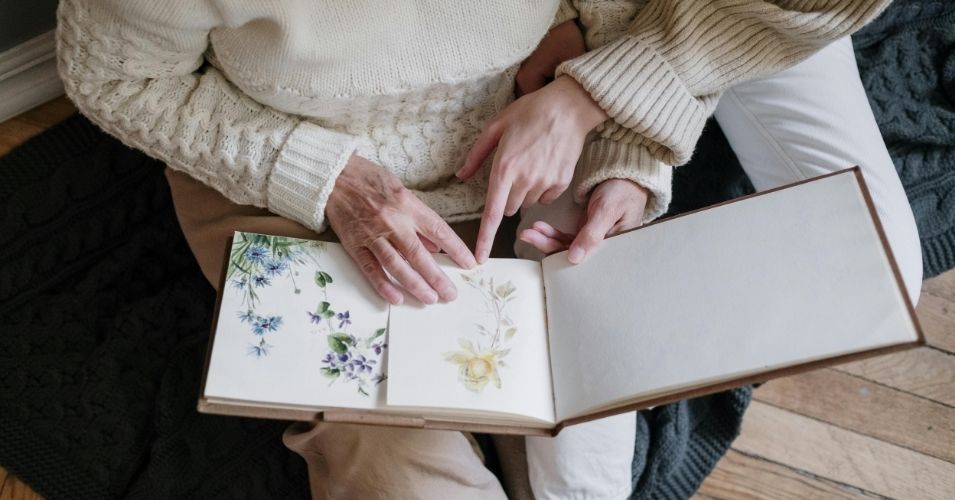
Some people like to create with their hands. If that sounds like you, think about turning your memory into a physical object. You could make a memory box, a quilt with symbols, or a painting that captures the mood of that day. The process of creating something with your hands often helps you connect more deeply with the memory itself.
Music can also be a powerful way to express a moment. If you play an instrument or like to write lyrics, try turning your memory into a song. Even just creating a playlist that reminds you of that time can feel meaningful.
You don’t have to be a professional at any of these things. This is about expression, not perfection. You might even combine formats. A journal with drawings, a video with a voiceover, or a poem paired with photos.
What matters most is that the format you choose feels true to the memory and comfortable for you to create. When it feels natural, the story will come through even stronger.
Using Everyday Moments as Your Starting Point
When people think about meaningful memories, they often picture big events. Birthdays. Graduations. Family vacations. But some of the most powerful stories don’t come from big days. They come from everyday moments that leave a quiet mark on you.
Think about the last time someone said something kind when you really needed it. Or a walk you took when you were thinking through a hard choice. Maybe it was a small laugh over dinner, a song that made you feel something, or the look on someone’s face when you surprised them. These simple memories may not seem exciting, but they can carry deep emotion.
Everyday moments are also easier to work with. You don’t have to wait for a perfect event to create something. You can look around your life as it is right now and start from there. What made you pause today? What did you notice that stuck with you? These are great seeds for meaningful projects.
The beauty of using everyday moments is that they are more relatable. Other people might not have had your exact experience, but they have probably felt the same way. They’ve also had quiet mornings, hard days, or small victories. So when you build a project around something ordinary, it creates a chance for others to connect and say, “I’ve felt that too.”
To get started, try writing down little moments as they happen. Keep a notebook or use your phone. You don’t need full stories yet. Just short notes, feelings, or images. Over time, these small things can turn into something bigger.
Sometimes the simplest memories are the ones that stay with us the longest. And when you use them as a starting point, your project becomes more honest, more personal, and more powerful than you might expect.
When Sharing Matters More Than Perfection
Many people stop themselves from creating because they worry it won’t be good enough. They imagine others judging their work or thinking it’s silly. So they keep their memories to themselves. But here’s the truth: sharing your story is more important than making it perfect.
Perfection can be a trap. It keeps you stuck, second-guessing every detail. But when you let go of the idea that your project has to be flawless, you give yourself permission to be real. Real is what people connect with. Real is what feels honest and human.
Your memory doesn’t have to be told in perfect grammar. Your photos don’t have to look like a magazine. Your drawing doesn’t have to win awards. What matters is the feeling behind it. If someone can see the heart in your work, they will care more than if it was technically perfect.
Sharing also helps you grow. When you let someone see your project, even if it’s just a friend or family member, you take a brave step. You open the door to feedback, conversation, and connection. You might find that others have similar stories. Or that your story makes them remember something important in their own life.
And the more you share, the more confident you become. Each time you show your work, you’re reminding yourself that your voice matters. That your experiences are worth telling. That even if your work isn’t perfect, it still has value.
You don’t have to share with the whole world. Start small. Show a close friend. Post in a group where you feel safe. Or just read it out loud to yourself. What matters is that you let your story live outside your head.
In the end, perfection fades. But a shared memory can last and keep touching lives for years to come.
Build Something That Lasts and Feels Like You
When you turn a memory into a project, you’re not just preserving the past. You’re creating something that reflects who you are and what matters to you. That’s why the final step is to shape your work into something lasting. Something that feels like you.
Lasting doesn’t have to mean perfect or permanent. It just means that your project has heart. It’s something you can return to, share with others, or keep as a reminder of how far you’ve come. It could be a scrapbook filled with photos and quotes, a short film saved on your phone, or a personal blog with stories from your life. What matters is that it holds meaning for you.
Think about how you want your project to feel. Is it joyful? Quiet and thoughtful? Funny and full of energy? Let that mood guide how you design and present it. Use colors, shapes, and words that match your voice. Don’t worry about trends or what’s popular. Focus on what feels true to your memory.
Also think about who you’re making it for. It might be just for you, something you keep tucked away for comfort or inspiration. Or it might be for a friend, a relative, or even a future version of yourself. Knowing your purpose can help you finish with more focus and confidence.
Take your time. Some projects come together in a day. Others grow over weeks or months. There’s no rush. The process itself can be healing, fun, and full of self-discovery.
In the end, building something meaningful from your memories helps you hold on to what really matters. It becomes more than a project. It becomes a piece of your story told your way, in your voice, with your own hands.
Final Thoughts
Your memories are more than pieces of the past. They are the threads that make up your story. When you turn them into creative projects, you give them new life. You turn feelings into art. You turn moments into something you can hold, hear, or see.
You don’t have to wait for a big idea or a perfect skill set. You already have what you need: your experience, your voice, and your imagination.
Start small. Trust your instincts. Share what feels right.
What you create might just surprise you. And it might mean more to someone else than you’ll ever know.