
Every family holds stories of strength, struggle, and tradition. But as time passes, many of these memories risk being forgotten.
Capturing family history means preserving the voices, experiences, and wisdom that shaped your family’s journey. These stories give future generations a sense of identity and connection.
This article will show how you can gather and preserve your family’s history with care, creating a gift that will last for years to come.
Start the Conversations Before It’s Too Late
Every family has stories tucked away in the minds of parents, grandparents, aunts, uncles, and distant relatives. But too often, people assume there will always be time to hear those stories. Days turn into years, and suddenly, the chance is gone. One of the most important steps in capturing family history is starting the conversations while you still can.
Older generations carry knowledge that no book or website can replace. They remember details that will never show up on official records. They hold the emotions behind the facts, the personal touches that make a story truly come alive. Waiting too long risks losing those details forever.
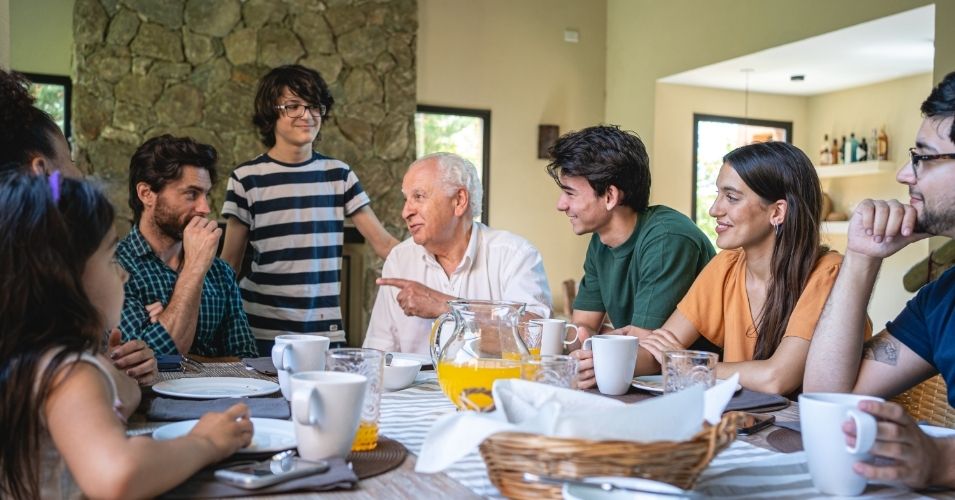
Starting these conversations does not need to feel like a formal interview. In fact, the most meaningful stories often come out during casual moments. A family dinner, a quiet afternoon, or a simple visit can become the perfect setting to open the door. You might begin with, “Tell me about when you were my age,” or “What was life like for you growing up?” These simple questions can lead to rich, unexpected stories.
Sometimes people hesitate because they feel awkward or do not want to seem like they are prying. But most older family members are happy to share if they feel someone is genuinely interested. Often, they are waiting for someone to ask. Showing curiosity honors their experiences and makes them feel valued.
The sooner you start these conversations, the more you can capture. Memories are strongest when people are healthy and relaxed. And as these talks become a regular part of your time together, the stories naturally build, piece by piece.
Family history is not just about the past. It is a gift you give to future generations. Starting these conversations today ensures that your family’s stories, lessons, and voices will not disappear but will continue to live on.
Ask the Right Questions to Bring Memories to Life
Once you begin the conversation, the next step is knowing how to draw out the richest, most meaningful stories. Asking the right questions can turn simple facts into vivid memories that future generations will treasure.
Instead of focusing only on dates and places, ask questions that invite emotion and reflection. These kinds of questions help people remember not just what happened, but how it felt. For example, rather than asking, “Where did you live?” try asking, “What was your neighborhood like? What did it smell like? What sounds do you still remember?” These details bring the story to life.
You can also ask about turning points. “What was the hardest decision you ever had to make?” “What are you most proud of?” or “Was there a moment that changed your life?” These questions often uncover powerful stories that reveal strength, courage, or deep values.
Do not be afraid to ask about everyday life, too. What were family traditions? What games did they play as children? What were birthdays or holidays like? Sometimes, the smallest details paint the most vivid pictures of the world your loved ones knew.
Pay attention to follow-up questions. If someone mentions a special person or event, gently ask them to tell more. Often, one memory will lead to another, and the richest parts of the story may come as they wander through their thoughts.
Keep the mood light and relaxed. People often open up more when they feel no pressure to remember perfectly. Remind them that it is okay if details are a little fuzzy. The goal is not to create a flawless record but to capture the heart of their experiences.
By asking thoughtful, open-ended questions, you give your loved ones the chance to share the stories that truly define them. These are the stories that will bring your family history to life for generations to come.
Preserve Voices, Photos, and Personal Artifacts
While stories live strongly in people’s memories, preserving them in physical or digital form helps ensure they last far beyond a single generation. Words can fade over time, but recorded voices, photographs, and personal artifacts give future generations something they can actually see, hear, and hold.
Recording the voices of older family members telling their stories is one of the most powerful ways to capture family history. The tone, laughter, pauses, and emotion in their voices bring the stories alive in a way written words sometimes cannot. Even a simple recording made on a smartphone can become a priceless treasure years from now.
Photographs are equally important. They capture moments in time that words may never fully describe. Take time to sit with older relatives and go through old photo albums together. Ask them to tell you who is in each photo, where it was taken, and what was happening at the time. As they explain, you not only collect names and dates but also personal details that give the pictures deeper meaning.
Personal artifacts, such as letters, recipes, handmade crafts, or items that have been passed down through generations, also carry powerful stories. These objects often hold emotional value that is hard to describe but deeply felt. Labeling these items with notes about their history can give future generations a richer understanding of why they mattered.
Technology now makes it easier than ever to preserve all of these pieces. You can scan documents and photos, save recordings to the cloud, and even create digital family archives that can be shared widely. The key is to act while you still have access to the people who can explain the stories behind these treasures.
By preserving voices, photos, and artifacts, you create a family history that future generations can experience with all their senses. These preserved memories make your family’s story real, vivid, and alive for years to come.
Share What You Gather So Stories Stay Alive
Collecting family stories, voices, and artifacts is only part of the journey. To keep family history truly alive, it must be shared. Stories that sit in a box or on a computer are easily forgotten. But when they are passed around, talked about, and celebrated, they become part of your family’s living tradition.
Sharing can happen in many ways. You might create a family history book that includes stories, photos, and family trees. This book can be given as a gift during holidays or family gatherings. Or you might create a digital version that relatives across the world can access. Seeing familiar faces and reading the words of loved ones can spark pride and connection in younger generations.
Family gatherings also offer natural opportunities to share what you have gathered. Story nights, where everyone contributes a favorite family memory, help younger family members hear stories they may never have heard before. These moments also encourage new questions, leading to even more stories being shared.
Sharing family history does not need to be a one-time event. It can become part of your family’s rhythm. Celebrating anniversaries, visiting old family homes, cooking traditional recipes together, or retelling stories around the dinner table keeps these memories fresh and alive.
Involving younger family members in the process is especially important. When children and grandchildren hear these stories, see the photos, and touch the artifacts, they gain a stronger sense of where they come from. They learn that family history is not just a list of names but a rich tapestry filled with laughter, struggles, and lessons that shaped who they are today.
By actively sharing what you gather, you ensure that family history remains part of your family’s present, not just its past. These shared stories create a thread that continues to connect each generation to the ones who came before.
Pass Down More Than Facts by Capturing Feelings
Facts and dates give structure to a family history, but what truly brings it alive are the feelings that come with those stories. The emotions behind each memory are what make people connect deeply to their family’s past. Capturing these feelings turns history into something personal and meaningful rather than just a list of events.
When you listen to stories, pay close attention to the emotions being shared. Ask questions that go beyond “What happened?” and explore “How did that feel?” For example, when a grandparent talks about moving to a new country, ask what they felt when they first arrived. Were they scared? Excited? Homesick? When someone talks about raising a family during hard times, ask what kept them going. These emotional layers make the stories richer and more relatable.
Capturing feelings helps future generations understand the people behind the stories. It allows them to see their ancestors not as distant figures, but as people who experienced fear, hope, love, joy, and sorrow. Just as they do today. This connection can build empathy and pride, giving younger family members a stronger sense of belonging.
Feelings also reveal values. When a grandparent speaks with pride about working hard to provide for the family, or when they describe acts of kindness from neighbors during tough times, they are passing down lessons about resilience, generosity, and community. These values become part of your family’s living legacy.
You can capture feelings in many ways. Through recordings, written reflections, or even by adding personal notes to photo albums and artifacts. What matters most is that future generations hear not just what happened, but what it meant.
In the end, the heart of family history is found in these emotions. They turn simple stories into living connections that continue to teach, inspire, and comfort long after the storytellers are gone.
Final Thoughts
Family history is more than names and dates. It is made of voices, stories, emotions, and lessons that shape who we are.
By starting conversations, asking meaningful questions, preserving memories, sharing them often, and capturing the feelings behind the stories, you create a legacy that will live on for generations.
The time to begin is now. Every story you save today becomes a priceless gift for tomorrow.