
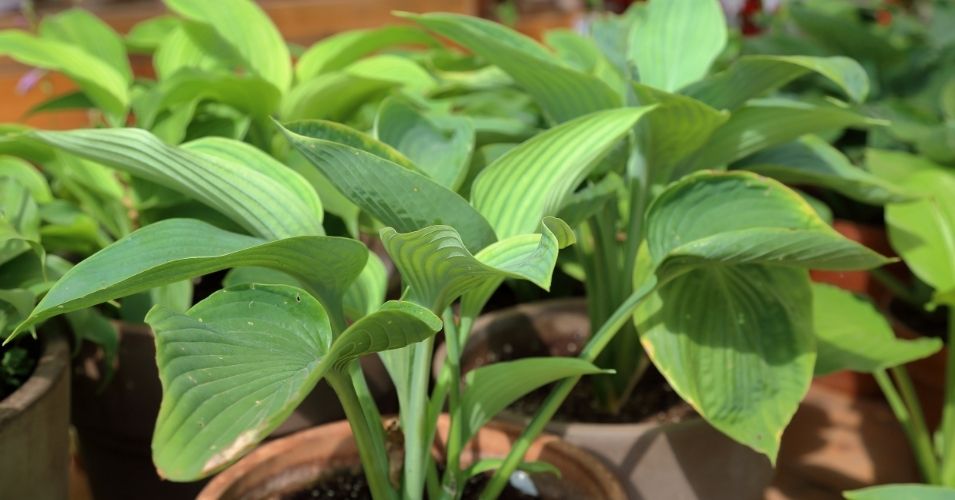
Hostas are among the most loved shade-garden plants, known for their lush leaves and calming presence.
During summer, however, these hardy plants need a bit of extra attention to stay healthy and vibrant. Heat, pests, and dry soil can quickly take a toll if you are not careful.
The good news is that with a few simple habits, you can keep your hostas looking full and beautiful all season long.
This guide will walk you through everything you need to know clearly and practically, so your garden continues to thrive even in the warmest months.
Keep Soil Moist Without Overwatering
Hostas love moisture, but they do not enjoy sitting in soggy soil. Finding the right balance is one of the most important parts of summer care.
Too little water causes leaves to wilt and turn brown at the edges, while too much water can lead to root rot that is difficult to reverse.
The goal is steady, even moisture that keeps the soil cool without drowning the roots. A good rule is to water deeply a few times each week instead of giving small amounts every day.
Deep watering encourages roots to grow further down into the soil, which helps the plant stay strong during dry spells.
When watering, focus on the base of the plant instead of the leaves. Wet foliage can invite disease, especially during warm summer nights when moisture lingers.
Early morning is the best time to water because it allows the plant to take in moisture before the heat rises.
It also helps to check the soil before watering again. Push your finger a few centimeters into the soil. If it still feels damp, you can wait another day. If it feels dry, it is time to water again. This simple habit can prevent overwatering.
Adding mulch around your hostas can make a big difference. A layer of bark, compost, or shredded leaves helps the soil hold moisture longer and keeps roots cool. It also reduces the need for frequent watering, which saves time and effort while keeping your plants happy.
Protect Leaves From Harsh Summer Sun
Hostas are known for thriving in shade, but summer sunlight can still be intense enough to damage their leaves. Too much direct sun often causes fading colors, dry edges, or even scorched patches that take away from the plant’s beauty.
The amount of sun a hosta can handle depends on its variety. Dark green types usually tolerate more shade, while lighter or variegated leaves may handle a bit more morning sun. However, strong afternoon sun is rarely a good match for any hosta.
If your plants are getting too much light, consider creating more shade. This can be done by planting them near taller shrubs or trees, or by placing a garden structure nearby to block the harshest rays. Moving potted hostas to a shadier spot is another simple solution.
Consistent watering also helps protect leaves from sun stress. Well-hydrated plants are better able to handle warm conditions, while dry plants are much more likely to scorch. This is why watering and light exposure go hand in hand during the summer months.
You can also watch for early signs of sun damage. Leaves may start to look dull or develop crispy edges. When you notice this, act quickly by increasing shade or adjusting watering habits. Quick action can prevent further damage and help the plant recover.
Keeping your hostas in the right light conditions ensures they maintain their rich color and full shape. With a bit of attention, they can remain one of the most eye-catching features in your summer garden.
Feeding Hostas for Strong Growth
Hostas are not heavy feeders, but they still benefit from the right nutrients during summer.
Giving them a steady supply of food helps maintain their rich leaf color and supports strong, healthy growth throughout the season. Without enough nutrients, leaves may appear pale or smaller than usual.
A balanced, slow-release fertilizer is often the best choice. It provides nutrients gradually, which prevents sudden growth spurts that can weaken the plant. Apply it in late spring or early summer so the roots can absorb what they need as the plant continues to grow.
Liquid fertilizers can also be useful if your hostas need a quick boost. These are absorbed faster and can help revive plants that look tired or faded. However, they should be used carefully and not too often, as overfeeding can stress the plant rather than help it.
It is also worth paying attention to the soil itself. Healthy soil rich in organic matter can naturally provide many of the nutrients hostas need. Mixing in compost improves soil structure and adds slow, steady nutrition without the risk of overdoing it.
Avoid fertilizing late in the summer. At that point, the plant should begin preparing for rest rather than pushing out new growth. Late feeding can lead to soft leaves that struggle to handle changing conditions.
A simple feeding routine keeps hostas looking full and vibrant. With the right approach, you will notice thicker leaves, deeper colors, and a plant that holds its shape well through the warmer months.
Manage Pests Before They Take Over
Hostas are beautiful, but they are also a favorite target for garden pests.
Slugs and snails are the most common troublemakers, often leaving behind holes and ragged edges that quickly spoil the look of the leaves. Catching the problem early makes a big difference.
One of the easiest ways to manage pests is to conduct regular inspections. Take a few minutes every few days to look under leaves and around the base of the plant. Early signs, such as small holes or shiny trails, can tell you pests are nearby.
Keeping the garden tidy also helps reduce the number of hiding spots. Remove fallen leaves and debris where pests like to gather during the day. A cleaner area makes it harder for them to settle in and multiply.
There are several natural ways to control slugs and similar pests. Barriers like crushed eggshells or coarse materials can make it uncomfortable for them to move toward your plants. You can also hand-pick them in the evening when they are most active.
Watering habits play a role as well. Since slugs prefer damp conditions, watering in the morning rather than in the evening gives the soil time to dry slightly before nightfall. This makes the environment less inviting for them.
If the problem becomes more serious, consider safe treatments designed for garden use. Choose options that target pests without harming other beneficial creatures.
Staying consistent is the key to success. By keeping an eye on your plants and acting quickly, you can prevent pests from taking over and keep your hostas looking clean and healthy all summer long.
Simple Maintenance That Keeps Plants Thriving
Taking care of hostas in summer does not have to be complicated, but small, consistent actions make a noticeable difference. Regular upkeep helps your plants stay neat, healthy, and full of life even during warmer weather.
One of the easiest habits to build is removing damaged or yellowing leaves. As the season progresses, some leaves age naturally or become stressed by heat. Trimming them away keeps the plant looking fresh and allows it to focus energy on healthy growth.
Weeds are another thing to watch closely. They compete for water and nutrients, which can slow your hostas down. Pulling weeds regularly keeps the growing area clear and gives your plants the best chance to thrive without competition.
Dividing overcrowded hostas is also worth considering if your plants have been in the same spot for several years.
While this is often done in spring or fall, noticing crowded clumps in summer helps you plan. Healthier spacing leads to better airflow and stronger plants overall.
Keeping an eye on soil condition is just as important as watering and feeding. Over time, soil can become compacted, which makes it harder for roots to breathe. Gently loosening the top layer can improve air flow and help water soak in more evenly.
It is also helpful to stay observant. Small changes in leaf color, texture, or shape can signal that something needs attention. Acting early gives you a better chance of correcting issues before they spread.
Cleaning around the base of the plant adds another layer of care. Removing fallen leaves and debris keeps pests and diseases from settling in. A tidy space supports a healthier growing environment.
These simple tasks do not take much time, but they build up over the season. With steady attention, your hostas will reward you with lush foliage and a garden that feels calm and well-cared-for.
Final Thoughts
Caring for hostas in summer comes down to paying attention and responding to what your plants need.
By balancing water, light, feeding, and regular upkeep, you create the right conditions for steady and reliable growth.
It does not require perfect timing or expert knowledge, just a willingness to observe and adjust as the season changes.
When you stay consistent with simple care habits, your hostas will reward you with rich color, full leaves, and a calm presence in your garden that lasts all summer.