
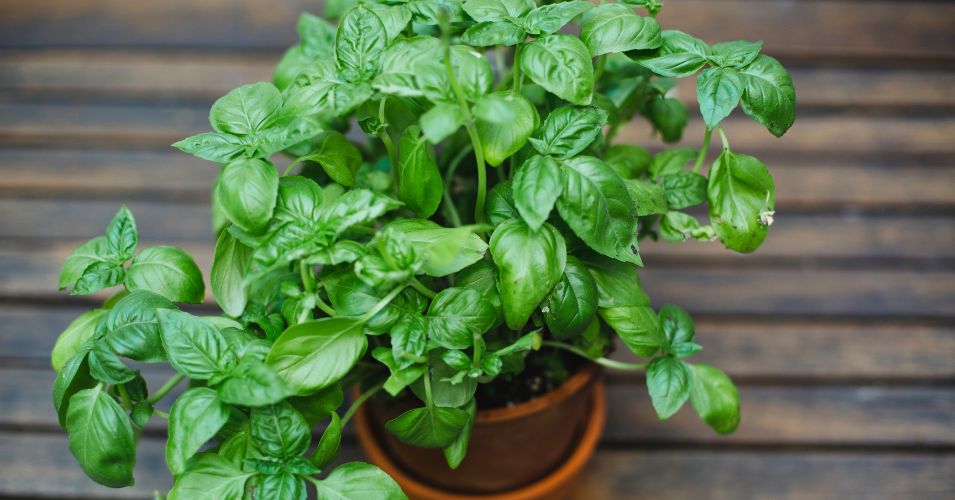
Basil is one of the most popular herbs in home gardens, loved for its fresh scent and bold flavor. After a long winter, spring brings the perfect chance to start new plants or revive indoor seedlings.
Spring care plays a significant role in how much basil you will harvest later. Early habits affect stem strength, leaf size, and overall plant health.
In this guide, you will learn practical and simple ways to care for basil plants in spring. These tips will help you avoid common mistakes and grow stronger, more flavorful herbs all season long.
Help Basil Wake Up and Adjust to Spring
After winter ends, basil begins shifting from slow indoor growth or seed dormancy into active development. This transition period is delicate, and gentle care helps prevent stress. Spring is the time to guide basil into stronger habits that support long-term health.
If you started basil indoors, begin by gradually acclimating it to outdoor conditions. This process is called hardening off. Place seedlings outside for 1 to 2 hours at first, then gradually increase exposure over 1 to 2 weeks. Sudden temperature changes can shock young plants.
For basil grown indoors all winter, light adjustment is essential. Move plants closer to bright windows or under grow lights. Increased sunlight encourages thicker stems and deeper green leaves.
Check each plant carefully. Remove any yellowed, damaged, or weak leaves with clean scissors. Trimming directs energy toward healthy new growth and improves airflow around stems.
Temperature plays a major role in basil recovery. Basil prefers warmth and struggles in cold soil. Wait until nighttime temperatures remain above 50 degrees before permanently placing plants outdoors.
Begin watering slowly and carefully. Spring growth increases water needs, but overwatering can cause root rot. Let the soil dry slightly between waterings. Moist, not soggy, soil is ideal.
Rotate indoor pots every few days. Even light exposure prevents leaning and promotes balanced growth. This habit also strengthens stems.
Avoid fertilizing too early. Newly adjusted plants need time to settle before receiving extra nutrients. Focus first on light, warmth, and consistent moisture.
Watch for signs of healthy recovery. New leaf growth, upright posture, and brighter color indicate successful adjustment.
With patience and gradual changes, basil adapts smoothly to spring conditions. This careful start builds strong roots and sturdy stems that support heavy leaf production later in the season.
Choose the Right Location and Soil Setup
Where and how you plant basil in spring significantly impacts its success. Basil grows best when roots receive warmth, air, and steady nutrients. A well-chosen location and proper soil setup prevent many future problems.
Start by selecting a sunny spot. Basil needs at least six to eight hours of direct sunlight each day. Morning sun is especially helpful because it dries leaves quickly and reduces the risk of disease.
If you are growing basil in containers, choose a location that receives bright light but is protected from strong winds. Wind can dry soil quickly and damage soft stems.
Soil quality matters just as much as sunlight. Basil prefers loose, well-draining soil rich in organic matter. Heavy clay soil traps water and limits oxygen, which weakens roots.
Before planting, loosen the soil to a depth of six to eight inches. Remove stones, old roots, and compacted clumps. This allows young roots to spread easily.
Mix compost into the top layer of soil. Compost improves structure and provides slow-release nutrients. Spread two to three inches and blend it gently into the bed.
For container planting, use a high-quality potting mix. Avoid garden soil in pots, since it compacts easily and drains poorly. A light blend keeps roots healthy.
Choose pots with drainage holes. Excess water must escape freely to prevent root damage. Terracotta pots are especially helpful because they allow moisture to evaporate.
Space plants properly. Leave at least eight to twelve inches between basil plants. Crowded conditions limit airflow and encourage disease.
After planting, water gently to settle the soil around the roots. Avoid pressing down too hard, as compacted soil can restrict growth.
A thoughtful location and well-prepared soil create a stable foundation. When roots feel comfortable, basil responds with faster growth, stronger stems, and more flavorful leaves.
Smart Water and Feeding for Lush Leaf Growth
Water and nutrients are the main drivers behind thick, flavorful basil leaves. During spring, plants grow quickly and require steady support. Balanced care prevents weak stems and bitter-tasting foliage.
Begin with consistent watering habits. Basil prefers evenly moist soil, but it does not tolerate standing water. Let the top inch of soil dry slightly before watering again.
Always water the plant at the base. Wet leaves encourage fungal disease and attract pests. Soil-level watering keeps plants cleaner and healthier.
Morning watering works best. Moisture absorbs before heat builds, and leaves dry quickly. This reduces stress and disease risk.
Container-grown basil dries out faster than garden bed plants. Check pots daily during warm periods. Lightweight containers often need more frequent watering.
Nutrition should be gentle and steady. Basil responds well to light feeding every three to four weeks. Use a balanced liquid fertilizer diluted to half strength.
Organic options such as compost tea or fish emulsion provide mild nutrition without chemical buildup. These are especially useful for long-term soil health.
Avoid heavy nitrogen feeding. Too much nitrogen produces soft leaves and weak stems that break easily. Balanced formulas support sturdy growth.
Water lightly before feeding. Moist soil spreads nutrients evenly and protects roots from burn.
Watch plant behavior after feeding. Deep green leaves and upright stems indicate success. Yellowing or wilting suggests overfeeding or poor drainage.
Mulching helps maintain moisture levels and reduces temperature swings. Straw, shredded leaves, or fine bark chips work well around basil plants.
When water and nutrients are carefully managed, basil develops thick leaves, a strong aroma, and steady production throughout spring.
Protect Basil From Cold Nights and Early Pests
Spring weather can change quickly, and basil is sensitive to cold temperatures. Protecting plants from sudden chills and early pests helps prevent long-term setbacks.
Basil thrives in warm conditions and struggles at temperatures below 50 degrees. Cold nights can stunt growth or kill young plants. Monitor weather forecasts closely during early spring.
When temperatures drop, cover plants with frost cloth, lightweight fabric, or overturned containers. Remove covers in the morning so sunlight reaches leaves.
Container plants can be moved indoors overnight during cold spells. Placing them near bright windows keeps growth stable.
Wind can also stress basil. Strong gusts dry soil quickly and damage soft stems. Windbreaks, fencing, or sheltered placement reduce exposure.
Pests become active as temperatures rise. Aphids, whiteflies, and spider mites commonly attack basil in spring. These insects weaken plants by feeding on sap.
Inspect leaves regularly, especially underneath, where pests hide. Look for sticky residue, curled edges, or pale spots.
Small infestations can often be controlled with water sprays. A strong stream dislodges insects without harming plants.
Insecticidal soap is effective when pests persist. Apply in the evening to protect beneficial insects and avoid leaf burn.
Avoid overcrowding plants. Good airflow discourages insects and fungal problems. Proper spacing supports natural defenses.
Remove severely damaged leaves promptly. This prevents pests from spreading and encourages fresh growth.
Healthy basil resists threats better than stressed plants. Consistent care strengthens natural protection. By guarding against cold and insects, you preserve leaf quality and keep growth steady throughout spring.
Encourage Full Growth Through the Spring Season
As spring continues, basil plants enter a phase of steady, active growth. This is the period when careful habits turn small seedlings into full, productive plants. Thoughtful attention now leads to higher yields and better flavor.
One of the most important practices is regular pruning. Pinching off the top sets of leaves encourages branching. When basil branches, it produces more stems and more harvestable leaves. Begin pinching once plants reach six to eight inches tall.
Use clean fingers or scissors to remove growth just above a leaf pair. This directs energy toward side shoots. Frequent light pruning is better than heavy cutting.
Monitor plant shape as it grows. Tall, thin stems often signal low light. Move plants to brighter areas if they are stretching. Compact growth indicates healthy conditions.
Continue rotating container plants. Even light exposure prevents leaning and keeps stems strong. Balanced growth improves airflow and reduces disease risk.
Remove flower buds as soon as they appear. Flowering shifts energy away from leaf production and can make leaves taste bitter. Regular inspection helps maintain flavor.
Support soil health throughout spring. Refresh mulch when needed and add a small amount of compost if growth slows. These steps maintain moisture and nutrient balance.
Pay attention to spacing. As plants grow larger, crowded leaves trap humidity. Trim weak stems or relocate plants to improve airflow.
Weed regularly around basil beds. Weeds steal nutrients and create hiding places for pests. Early removal prevents competition.
Observe leaf texture and color. Thick, glossy leaves indicate good health. Dull or drooping leaves suggest a water or nutrient imbalance.
Avoid major changes late in spring. Sudden shifts in feeding or location can interrupt momentum. Stability supports continued development.
By pruning wisely and maintaining consistent care, you guide basil toward full and productive growth. These habits create vigorous plants that deliver fresh leaves throughout the season.
Final Thoughts
Caring for basil in spring is about building steady routines that support long-term success. Each step, from early adjustment to regular pruning, shapes how productive your plants become.
Simple actions such as careful watering, proper placement, and frequent observation prevent the most common problems. These habits save time and protect plant health.
With patience and thoughtful care, basil rewards you with rich aroma, bold flavor, and reliable harvests throughout the growing season.