
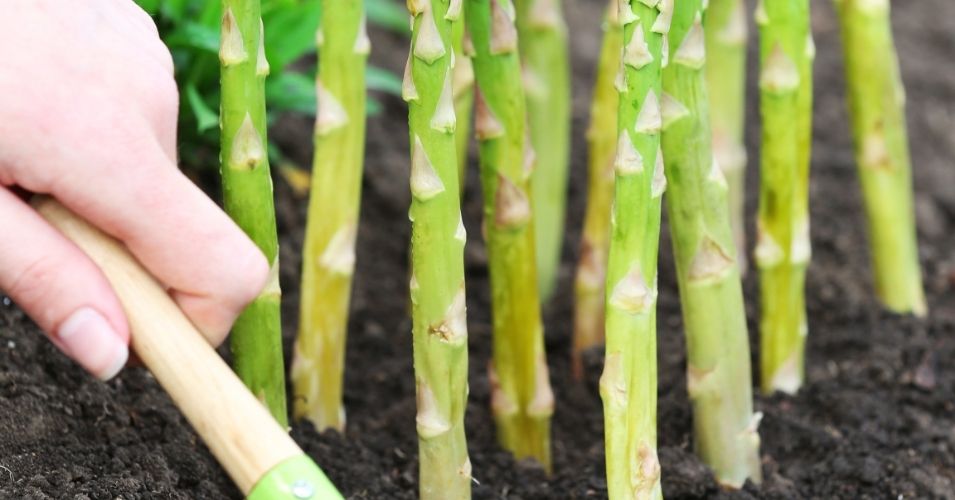
Asparagus is one of those plants that rewards patience. It takes time to establish, but once it does, it provides tender, flavorful spears year after year.
Fall is the season when your asparagus bed needs special attention. The tall green ferns begin to fade, signaling that the plant is ready to rest and store energy for the coming spring.
By caring for asparagus in the fall, you help the crowns and roots stay strong through winter. With the right steps, you protect your investment and ensure a steady harvest of fresh spears season after season.
Why Fall Care Matters for Asparagus Beds
Asparagus is a perennial plant, which means it returns year after year if given the right attention.
Unlike vegetables that complete their life cycle in one growing season, asparagus relies on the energy it stores in its underground crowns and roots to produce spears in spring. Fall is the critical time when this storage process takes place.
After harvest season ends in late spring or early summer, asparagus spears are left to grow into tall, feathery ferns. These ferns look decorative, but they are more than just a pleasant garden feature.
Their true purpose is photosynthesis. By gathering sunlight and turning it into food, the ferns send energy down into their roots and crowns. This stored energy is what fuels next year’s harvest.
As fall arrives, the green ferns begin to yellow, then brown. This natural dying back shows that the plant has finished collecting energy and is moving into dormancy. If you neglect the bed at this stage, you risk weakening the crowns and reducing the harvest next spring.
Proper fall care also protects the bed from disease. Asparagus is vulnerable to fungal issues such as rust or blight. If old plant material is left lying on the soil through winter, it can harbor spores that reappear the following year. Cleaning the bed in the fall helps break this cycle.
Another reason fall matters is the opportunity to prepare the soil for winter. Adding compost or mulch at this time replenishes nutrients and shields the crowns from harsh cold. Skipping these steps can lead to weaker plants or frost damage.
In short, fall care is not optional for asparagus. It is the season when you lay the groundwork for a strong spring crop.
The attention you give now pays off in thicker spears, longer harvest windows, and healthier plants that will keep producing for many years.
Cutting Back Ferns at the Right Time
One of the main fall tasks for asparagus is cutting back the ferns. The timing of this chore makes a significant difference in the health of your bed.
Cut them too early, and you interrupt the energy-building process. Cut them too late, and you risk pests and disease settling in.
The first step is knowing when to begin. Watch the color of the ferns carefully as fall progresses. When they shift from green to yellow and finally to brown, they have finished their job of feeding the roots.
This is your signal that cutting them down will not harm the plant. For most regions, this stage arrives in late fall, often after the first hard frost.
Do not be tempted to cut back while the ferns are still green. Even if they look messy or start to flop over, they are still working. Allow them to complete their cycle so the crowns receive every bit of stored energy.
When the time is right, use clean, sharp garden shears or pruners to cut the ferns down. Aim to leave just a few inches of stem above the soil surface. Cutting too close to the crown can cause injury, while leaving tall stubs may trap debris or invite pests.
After cutting, it is important to clear away all plant material. Do not leave the old ferns on the soil. They can harbor asparagus beetles, rust spores, or other diseases.
Instead, bag them up for disposal or burn them if local rules allow. Do not add them to your compost pile, since pests and fungi can survive the winter and return to your garden in spring.
This simple step of cutting back at the right time not only protects your plants but also keeps the bed tidy and ready for winter preparations.
By respecting the plant’s natural rhythm and cleaning thoroughly, you give your asparagus the best chance for strong regrowth and abundant spears when the season turns again.
Protect the Roots with Mulch and Soil Care
Asparagus plants spend winter hidden beneath the soil, relying on their crowns and roots to survive the cold. While they are hardy perennials, they benefit greatly from a little extra protection during fall.
Mulching and soil care are simple but powerful steps that shield asparagus roots and help them recharge for the next growing season.
Mulching is the first line of defense. A thick layer of mulch acts like a blanket, keeping the soil temperature more stable. Without mulch, the ground can freeze and thaw repeatedly throughout winter.
These fluctuations can heave the crowns upward, exposing them to cold damage. By applying mulch, you prevent this stress and keep the crowns safely tucked underground.
The type of mulch you choose makes a difference. Straw, shredded leaves, or clean hay are all excellent choices for asparagus beds. Avoid materials that pack down tightly or encourage mold, such as whole leaves that form a mat.
A layer about three to four inches thick is usually enough for most climates. In colder regions, you may want to add an extra inch for insurance.
Before mulching, take time to improve the soil. Asparagus is a heavy feeder and will produce better when nutrients are replenished regularly.
Spreading a layer of well-aged compost or organic matter over the bed provides food for the soil and adds structure. Over winter, microbes will break down this material, enriching the soil for spring.
If your soil tends to be acidic, fall is also a suitable time to add lime. Asparagus grows best in slightly alkaline soil, so adjusting pH now gives it time to settle before planting season returns.
Remember to check your mulch in early spring. As temperatures warm, gradually pull back some of the mulch so the soil can heat up and the first spears can emerge without delay.
Protecting asparagus roots in fall is about more than comfort. It ensures survival through the harsh months and creates fertile, balanced soil that supports robust growth. With these steps, your plants enter spring healthier and ready to deliver a bountiful harvest.
Dividing and Replanting Older Crowns
Asparagus beds are long-term investments, often producing for 15 years or more when well cared for. But over time, even the healthiest crowns can become crowded, tired, or less productive.
When this happens, dividing and replanting older crowns is an effective way to rejuvenate the bed and maintain steady harvests. Fall is an excellent season for this task because the plants are going dormant, and the soil is still workable.
You may notice signs that division is needed. Spears may grow thinner than usual, or the harvest may not be as plentiful as in past years.
These changes suggest the crowns have multiplied underground, leaving little room for healthy growth. Dividing them restores space and allows each plant to flourish again.
The process begins by carefully digging up the crowns. Use a spade or garden fork to loosen the soil around the clump, working gently to avoid damaging the roots. Once lifted, shake off the soil so you can see the crown and root system clearly.
Healthy crowns have firm, white centers with thick roots spreading outward. To divide, use a sharp, clean knife or spade to separate the crown into sections. Each division should have several strong roots and at least one healthy bud, which is the growing point for next year’s spears.
Prepare a new bed or refresh the old one before replanting. Asparagus thrives in deep, fertile soil that drains well. Add compost or aged manure to the planting area to provide nutrients. Place each division about 12 to 18 inches apart, with the buds facing upward and covered by two to three inches of soil.
Water thoroughly after planting to help the roots settle. It is normal for divided crowns to take a season to reestablish before producing heavily again, but the long-term benefit is a stronger, more productive bed.
Dividing asparagus crowns may feel like extra work, but it is an investment in the future of your garden. By giving your plants room to breathe and fresh soil to grow in, you extend the life of your bed and enjoy healthy spears for many more years.
Prepare the Bed for a Healthy Spring Harvest
Once the ferns have been cut back, the soil improved, and mulch has been applied, your asparagus bed is nearly ready to rest for the winter.
The final step is preparing the space so it can transition smoothly into the next growing season. Think of this as the finishing touch that ties all your fall care together.
Start by making sure the bed is free of weeds. Even in cooler months, some weeds continue to grow and compete for nutrients. Removing them in fall gives asparagus roots uninterrupted access to food and water. A clean bed also discourages pests from using the area as a hiding place.
Next, consider the soil surface. Leveling it gently helps prevent water from pooling in certain areas, which can cause rot around the crowns. At the same time, creating slightly raised ridges over the rows is useful in very wet climates, since it improves drainage.
Adding organic matter now, such as compost or aged manure, has long-term benefits. Winter’s natural freeze and thaw cycles help work these materials into the soil structure.
By spring, the bed will be enriched and ready for strong spear growth. If you use manure, be sure it is well-rotted, since fresh manure can burn young plants.
Check your mulch covering one last time. It should be thick enough to protect against harsh cold but not so heavy that it smothers the soil. Adjust it if needed, then leave the bed to rest undisturbed.
If you divided crowns or replanted, take care to mark the rows clearly before winter snow arrives. This makes it easier to locate plants in spring without damaging the crowns when you begin clearing away mulch.
Preparing the bed for spring is about more than tidiness. It is about ensuring the environment is balanced, fertile, and protective. With these finishing touches, your asparagus will be in the best position to deliver fresh, flavorful spears as soon as the growing season begins.
Final Thoughts
Caring for asparagus in fall may not feel as exciting as harvesting in spring, but it is the foundation of every successful crop. The work you put in during these cooler months directly determines the health and productivity of your plants for years to come.
By cutting back ferns at the right time, protecting roots with mulch, dividing crowded crowns, and preparing the soil, you help the plants store strength for winter and wake up ready to grow. Each step adds up to a bed that produces earlier, longer, and more abundantly.
With patience and attention, your asparagus patch will reward you season after season, turning fall care into one of the most valuable traditions in your garden.