
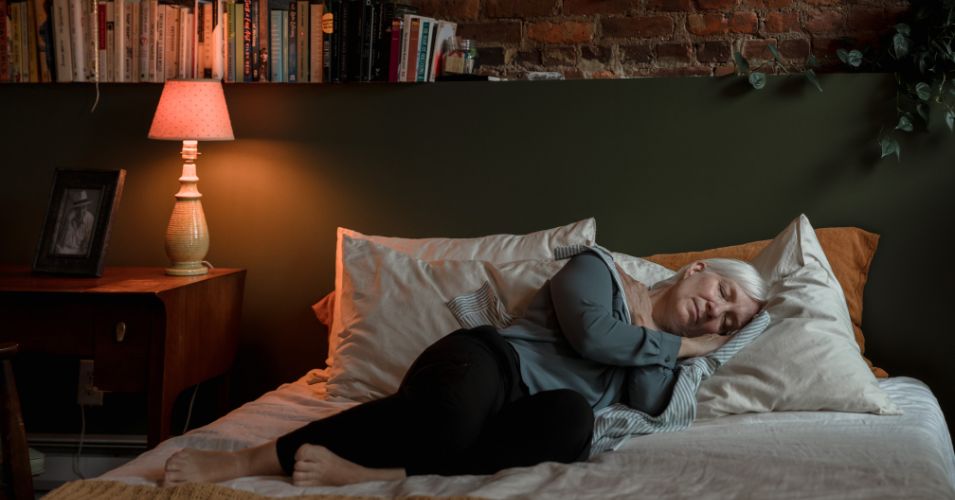
Sleep changes with age, and by the time you reach your 80s, those changes become hard to ignore.
Falling asleep might take longer. Staying asleep through the night can feel impossible.
You may wake up too early or feel wide awake in the middle of the night for no reason at all.
This shift is frustrating, especially when your body still needs rest.
But you are not alone, and there are steps you can take to bring better sleep back into your life.
Understanding the changes is the first step toward feeling more rested and more in control.
Why Sleep Feels Different in Your 80s
Sleep in your 80s does not feel the same as it once did.
You may still feel tired, but your body does not always cooperate when it is time to rest.
Falling asleep can take longer. You lie in bed with your eyes closed, waiting for sleep to come.
Even once you fall asleep, staying asleep becomes harder. You may wake up several times each night without knowing why.
These wake-ups may only last a few minutes, but they interrupt your deep rest. You wake feeling like you never truly settled.
Your body’s natural rhythm also changes with age. You might feel sleepy earlier in the evening and find yourself awake well before sunrise.
You may notice that naps during the day become more common. While they help you rest, they can also make it harder to sleep at night.
Your sleep becomes lighter. You wake at the sound of a creaking floor or a car outside, even if those sounds once passed unnoticed.
Your dreams may fade faster. You may even feel like your sleep never reached the deeper stages you once enjoyed.
This change is not a failure. It is a shift that happens to almost everyone with age.
Your body processes sleep differently now. Hormones, brain activity, and even temperature regulation all play a role in how deeply you rest.
You are not alone in feeling frustrated or confused. But this does not mean you have to accept poor sleep as the new normal.
Understanding how sleep changes in your 80s helps you take steps toward better rest. You can adjust and find new patterns that work.
Your sleep might be different now, but it can still be steady, soothing, and healing.
The Hidden Causes Behind Poor Rest
It is easy to blame aging alone for your sleep struggles. But there are many quiet causes that can disturb your rest.
Pain is one of the biggest reasons. Aching joints, sore muscles, or back discomfort can wake you up or stop you from falling asleep.
You may shift positions often, looking for relief. But even small aches can break your sleep cycle without fully waking you.
Bathroom trips during the night also interrupt your rest. Many older adults wake once or twice for this reason, and falling back asleep is not always easy.
Medications can affect your sleep more than you think. Some drugs cause drowsiness while others make your mind too alert.
Even a change in dosage can throw off your nighttime rhythm. If you have started new medications recently, they may be part of the problem.
Worry also plays a large role. Thoughts about health, family, or simply the future can keep your brain busy when it should be winding down.
Loneliness and sadness can also affect sleep. When the house is quiet and the day is done, emotions have a way of rising.
Breathing issues may disturb you without your awareness. Sleep apnea or shallow breathing can cause restlessness and frequent waking.
You may not remember waking up, but you still feel the effects the next morning. Tired eyes, a heavy body, and low energy are common signs.
Even your environment matters more than ever. Too much light, a ticking clock, or a room that is too warm or cold can pull you out of rest.
Your sleep is affected by more than just age. Many of these issues are treatable once they are recognized.
By exploring what might be behind your poor sleep, you can start finding ways to bring peace and comfort back to your nights.
How Restless Nights Affect Your Days
A poor night of sleep does not end when the sun comes up. The effects often follow you throughout the next day.
You may wake feeling tired before the day even begins. Your body feels heavy, your eyes are dry, and your energy is low.
Basic tasks can feel harder. Making breakfast or getting dressed takes more time and effort than usual.
You might feel less steady on your feet. Lack of sleep affects your balance and increases your risk of falling.
Concentration becomes harder. Reading a book or following a conversation can feel like a challenge when your mind feels foggy.
You may feel short-tempered or more emotional. Small things that never bothered you before now feel overwhelming.
Even your appetite can change. You might eat less or crave foods that do not give you the fuel your body needs.
Restless nights can also affect your confidence. You may avoid going out or socializing because you feel drained or unwell.
That isolation can deepen if poor sleep becomes a regular pattern. It is harder to enjoy daily life when your body is asking for rest.
You might find yourself napping more during the day. These naps can help, but too much daytime sleep may make nights even more restless.
The cycle becomes difficult to break. You feel tired, you nap, and then you lie awake at night once again.
But this is not how it has to be. With a better understanding of how sleep affects your body, you can start to take back control.
Your days deserve energy, focus, and peace. And that starts with better sleep at night.
Even small changes can begin to shift how you feel when morning arrives.
What You Can Do to Sleep More Peacefully
Improving your sleep does not require a perfect night every time. It begins with simple steps that help your body settle and rest.
Create a calm bedtime routine. Doing the same thing each evening signals to your brain that it is time to wind down.
Start by dimming the lights. Avoid screens and bright bulbs at least an hour before bed, as light can keep your mind alert.
Take a warm bath or wash your face with warm water. This helps your body feel safe and relaxed.
Gentle stretching or deep breathing can ease tension in your muscles. A quiet moment of prayer or reflection can also bring comfort before sleep.
Go to bed at the same time each night. Try to wake at the same time each morning, even if your sleep felt broken.
Keep your bedroom cool and quiet. Use soft bedding, and try earplugs or a sound machine if noises disturb you.
Limit caffeine and heavy meals in the evening. These can keep your body too active to fall asleep easily.
If you cannot sleep, do not stay in bed tossing and turning. Sit up, read something light, or listen to calming music until your body feels ready.
Talk to your doctor if you suspect a medical issue. Pain, sleep apnea, or restless leg symptoms can often be treated.
Review your medications with your provider. Adjustments may reduce nighttime wakefulness without affecting your overall health.
Stay active during the day. A short walk or light movement can help your body feel ready for rest later.
Peaceful sleep begins with peaceful habits. And those habits can bring you back to a place of steady, healing rest.
You may not sleep the way you once did, but you can still sleep well.
Small Habits That Help You Wake Up Refreshed
Waking up refreshed in your 80s may take more effort, but it is still possible. It begins the night before and continues into your morning routine.
Start by preparing your room for rest. Clean bedding, comfortable pillows, and a soft blanket can ease your body into sleep.
Keep your sleep space free from distractions. A quiet, dark room with no clutter helps your mind settle faster.
Avoid falling asleep in a chair or while watching television. Moving to your bed and lying down properly supports deeper, more restful sleep.
Set a gentle alarm if you need help waking. A soft chime or nature sound can ease you into the day without a jolt.
Try to open the curtains shortly after waking. Natural light tells your body it is time to be alert and active.
Start your day slowly. Sit up, stretch, and take a few deep breaths before leaving your bed.
Drink a glass of water to help your body rehydrate. Your muscles and joints feel better with that small act.
Avoid rushing into big tasks. Give your body time to adjust before standing for too long or reaching too high.
Choose a simple morning routine that brings comfort. This might include reading, prayer, or listening to calming music.
If you enjoy breakfast, make it something light but nourishing. A warm drink and healthy food can ease you into your day.
Keeping a consistent sleep schedule helps too. The more regular your bedtime and wake-up time, the more balanced your sleep becomes.
These habits work together to support better mornings. They help you rise with steadiness and a clearer mind.
You may not leap out of bed like you once did, but you can still rise with purpose, peace, and comfort.
Final Thoughts
Sleep in your 80s may feel unfamiliar, but it is not broken. It is simply different from the sleep of your younger years.
Understanding those changes can take away some of the fear and frustration.
With steady habits and the right support, rest can return to your nights.
You still deserve deep, peaceful sleep. And you still deserve to wake up feeling strong, safe, and ready for the day ahead.