
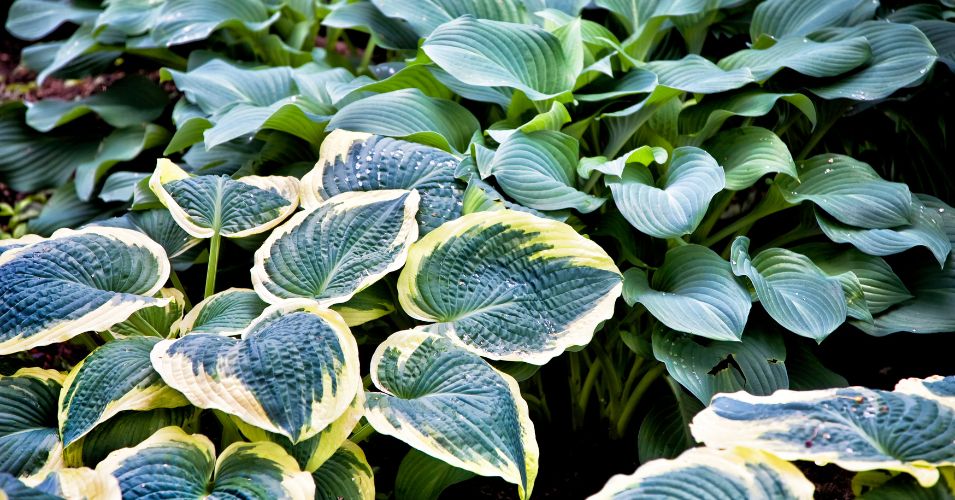
Hostas have been a favorite shade garden plant for decades, but they are far from the only option.
Many gardeners are now looking for perennials that bring more color, texture, and seasonal interest to their outdoor spaces.
Some want flowers that attract pollinators. Others want plants that can handle heat, drought, or changing weather conditions better than hostas can.
The good news is that there are plenty of beautiful perennials that thrive in similar conditions while adding something fresh and exciting to the landscape.
If you are ready to move beyond the familiar hosta patch, these standout perennials can help you create a garden that feels more vibrant, layered, and alive.
Colorful Foliage Plants That Brighten Shade Gardens
A shade garden does not have to fade into the background. In fact, some of the most eye-catching plants thrive in indirect sunlight.
While hostas are known for their broad leaves, many other perennials offer even more dramatic colors and textures that instantly make dark corners feel lively and inviting.
One standout choice is Heuchera, often called coral bells. This perennial comes in shades that almost seem hand-painted. Some varieties feature deep purple leaves, while others glow in lime green, silver, caramel, or even fiery red.
The foliage keeps its color from spring through fall, giving the garden a long-lasting burst of personality. Small flower spikes appear in summer, but the leaves are the true attraction.
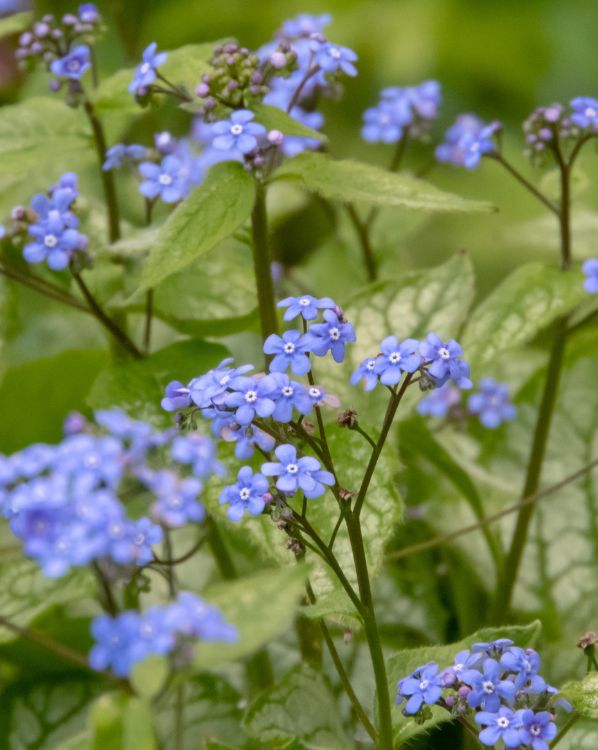
Another excellent alternative is Brunnera. Its heart-shaped leaves often feature frosty silver patterns that shimmer in low light. In spring, delicate blue flowers float above the foliage, resembling tiny forget-me-not blooms. Brunnera creates a softer and more elegant look than hostas, especially when planted in groups beneath trees or along shaded pathways.
Gardeners who want a tropical feel should consider Japanese Painted Fern. The fronds combine silver, green, and burgundy tones that shift beautifully as sunlight filters through the garden. Unlike hostas, which can sometimes appear heavy or dense, this fern adds movement and a lighter texture, keeping the space feeling open.
For bold contrast, Ligularia can completely transform a shady bed. Its oversized leaves create a dramatic appearance, while tall spikes of golden yellow flowers rise above the foliage in summer. The plant thrives in moist soil and quickly becomes a focal point in the landscape.
Mixing several foliage plants creates a layered and artistic effect. The rich colors of Heuchera beside the shimmering leaves of Brunnera or the airy shape of Japanese Painted Fern can make even the darkest garden corner feel full of energy.
Instead of relying on one familiar plant, gardeners can build a shade garden that feels far more dynamic and memorable.
Flowering Perennials That Bring Months of Blooms
Many gardeners choose hostas for their reliability, but their flowers are often overlooked. If you want a garden filled with long-lasting color, flowering perennials can deliver a much more impressive display while still thriving in partial shade or mixed garden conditions.
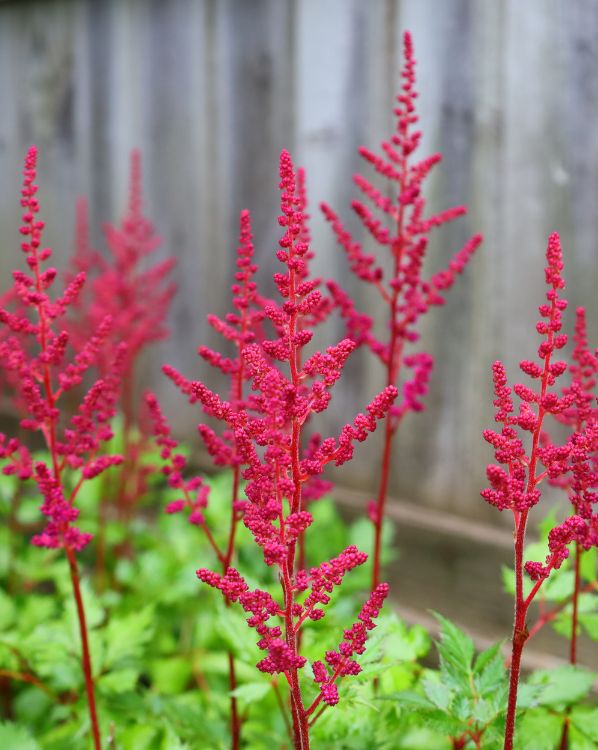
One of the best options is Astilbe. This perennial produces feathery plumes in shades of pink, white, red, and lavender. The flowers rise above fernlike foliage, adding softness to garden beds from early to midsummer. Astilbe thrives in moist soil and brightens shady spaces with a romantic and airy appearance.
Another favorite is Coneflower, also known as echinacea. Unlike hostas, coneflowers thrive in sunnier areas and bloom for months. Their daisy-shaped flowers attract butterflies and bees throughout the season. Traditional purple varieties remain popular, but newer types come in orange, yellow, coral, and white. The seed heads also provide winter interest after the blooms fade.
For nonstop summer color, Black Eyed Susan is hard to beat. Its golden petals and dark centers create a cheerful look that stands out from a distance. These flowers tolerate heat well and continue blooming when many other perennials begin to slow down. They also pair beautifully with ornamental grasses and other prairie-style plants.
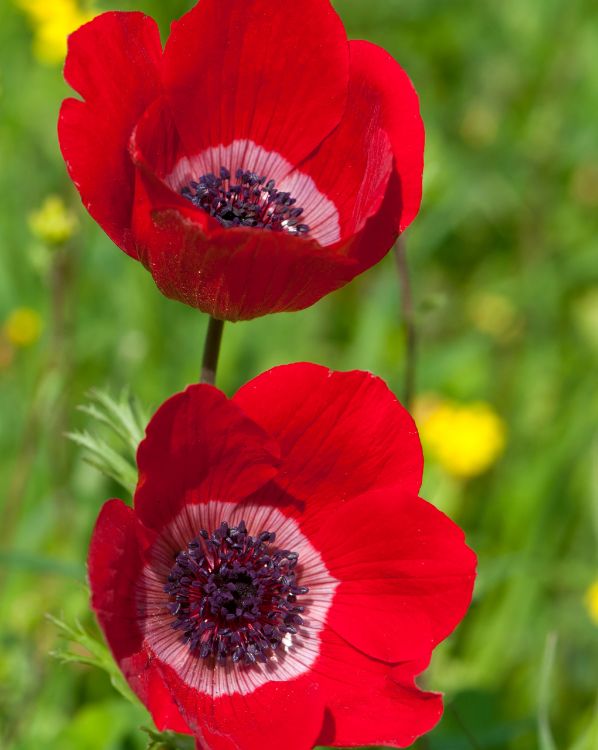
Gardeners looking for elegance may prefer Japanese Anemone. This perennial blooms later in the season, often carrying pink or white flowers well into fall. The tall stems sway gently in the breeze, adding movement to the garden at a time when many plants are fading.
Another long-blooming treasure is Salvia. Its spikes of purple, blue, or pink flowers attract hummingbirds and pollinators all summer long. Cutting back spent blooms encourages even more flowers to appear, making the plant look fresh for weeks.
Choosing flowering perennials instead of hostas allows the garden to change constantly throughout the growing season.
Bright blooms, pollinator activity, and shifting colors keep the landscape lively from spring until fall. The result feels more energetic and far more rewarding than a bed filled with foliage alone.
Tough Plants That Handle Heat and Dry Conditions
If you are tired of constantly watering plants during the hottest parts of summer, replacing hostas with drought-tolerant perennials can completely change how your garden performs.
Many of these plants thrive in heat, hold up during dry spells, and still deliver beautiful color and texture without demanding constant attention.
One of the most dependable choices is Sedum, also known as stonecrop. This hardy perennial stores water in its thick leaves, allowing it to stay healthy even during long stretches of hot weather.
Varieties like Autumn Joy produce clusters of pink flowers that deepen into copper tones as the season progresses. The succulent foliage also gives the garden a modern and clean appearance.
Another excellent option is Russian Sage. This plant creates a cloud of soft purple blooms that lasts for weeks during summer. Its silvery foliage reflects sunlight beautifully and helps the plant tolerate dry conditions with ease.
Once established, Russian Sage needs very little maintenance, making it ideal if you want a landscape that still looks impressive during intense heat.
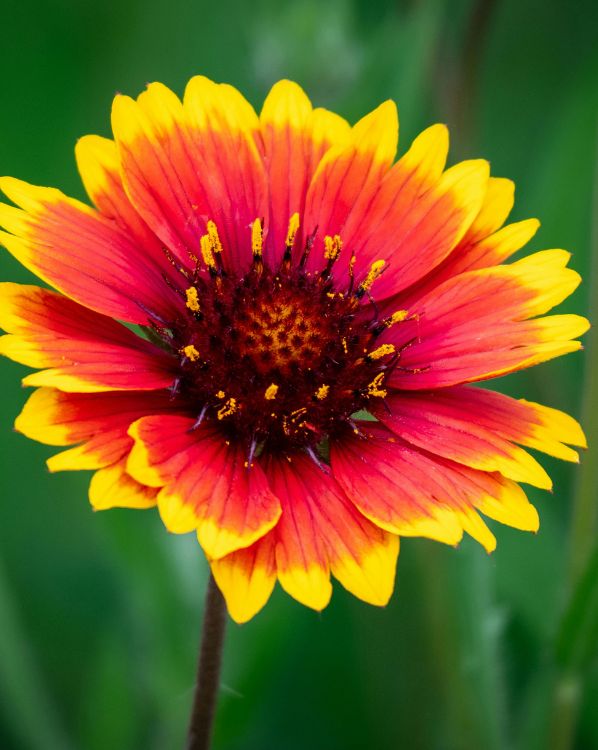
For bold color, Blanket Flower delivers nonstop energy. Its red, orange, and yellow blooms almost resemble miniature sunsets scattered across the garden. The flowers continue to bloom in hot weather, while many other perennials begin to struggle. You also get the bonus of attracting butterflies and pollinators throughout the season.
You may also want to consider Yarrow. Its flat flower clusters appear in shades of yellow, pink, white, and red, while its fernlike foliage adds softness underneath. Yarrow handles dry soil extremely well and spreads easily, helping fill empty spaces with very little effort.
If your yard gets intense sunlight, Lavender can become both beautiful and practical. Its fragrant purple flowers bring color and movement while also attracting bees and butterflies. The silver green foliage remains attractive even when the plant is not blooming.
By using heat-loving perennials instead of thirsty hostas, you can create a garden that stays colorful and healthy even during the toughest parts of summer. The result is a landscape that looks vibrant without requiring endless watering and upkeep.
Texture and Shape Choices That Add Character
A garden becomes far more interesting when it includes a mix of shapes, heights, and textures.
While hostas mainly provide rounded foliage, many other perennials can give your landscape a stronger sense of depth and personality. Choosing plants with unusual forms instantly makes a garden feel more designed and visually layered.
One striking choice is Goat’s Beard. This tall perennial produces creamy white flower plumes that rise above finely textured foliage. The airy blooms create softness, while the plant’s large size adds structure to shaded areas. It has a wild, natural appearance that feels very different from the tidy look of hostas.
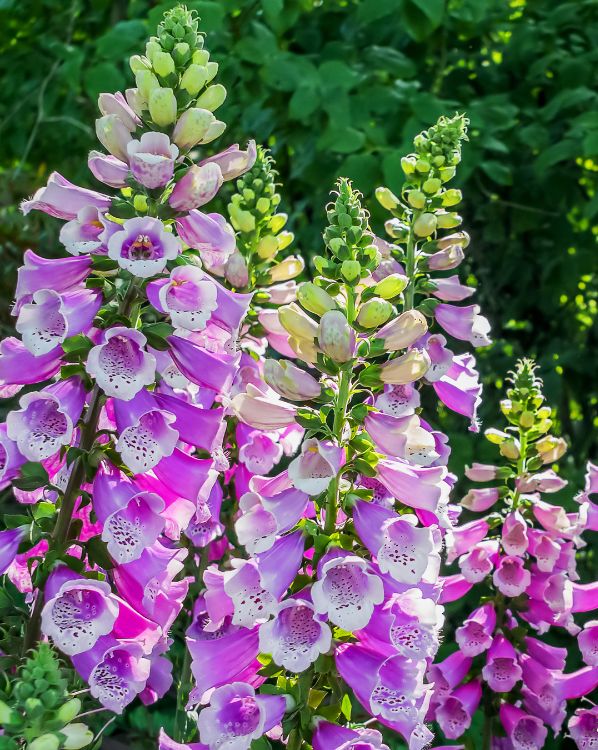
For dramatic vertical lines, Foxglove adds instant height and elegance. Its tall flower spikes tower above surrounding plants, creating a cottage-garden feel that draws the eye upward. The tubular flowers also attract hummingbirds, adding movement and life to the space.
If you want bold texture, Rodgersia can completely transform a garden bed. Its oversized leaves resemble something you might see in a tropical landscape, yet it performs beautifully in partial shade. The foliage creates a lush and almost architectural effect that makes nearby plants stand out even more.
Another standout option is Japanese Forest Grass. Instead of broad leaves, this perennial forms cascading mounds of graceful grasslike blades that sway gently in the breeze. Golden varieties can brighten darker areas while adding motion that keeps the garden from feeling stiff or heavy.
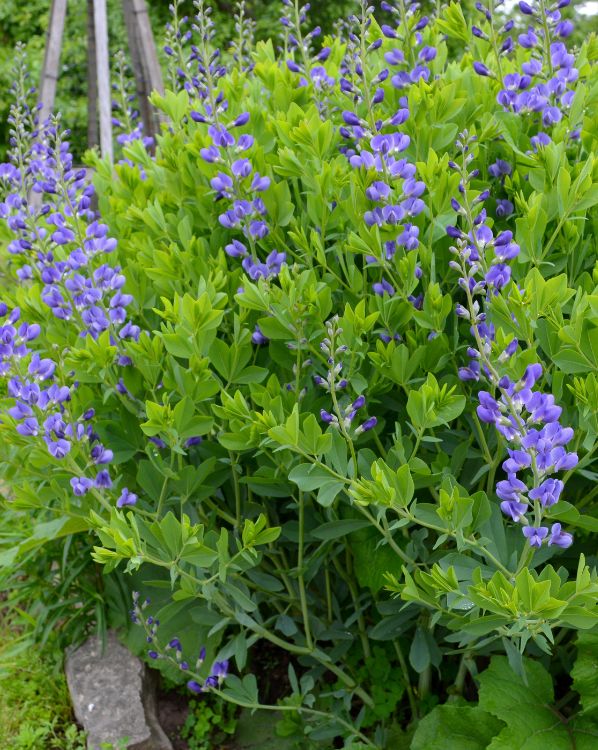
You can also create contrast with Baptisia, commonly called false indigo. Its upright stems and rounded shape give the garden a fuller appearance, while its pea-like flowers bring rich color in spring and early summer. Even after blooming, the plant maintains a clean and structured form that keeps the landscape looking polished.
When you combine plants with soft fronds, tall flower spikes, oversized leaves, and flowing grasses, the garden feels far more alive and dynamic. Instead of repeating the same shape throughout the yard, you create layers that make every section feel unique and visually engaging.
Easy Care Perennials That Keep the Garden Looking Fresh
Not everyone wants a garden that demands constant trimming, watering, and attention. If you love the idea of beautiful landscaping without spending every weekend working in the yard, many easy-care perennials can replace hostas while still keeping your garden full and attractive throughout the season.
One dependable favorite is Daylily. These plants adapt to many different conditions and continue returning year after year with very little effort.
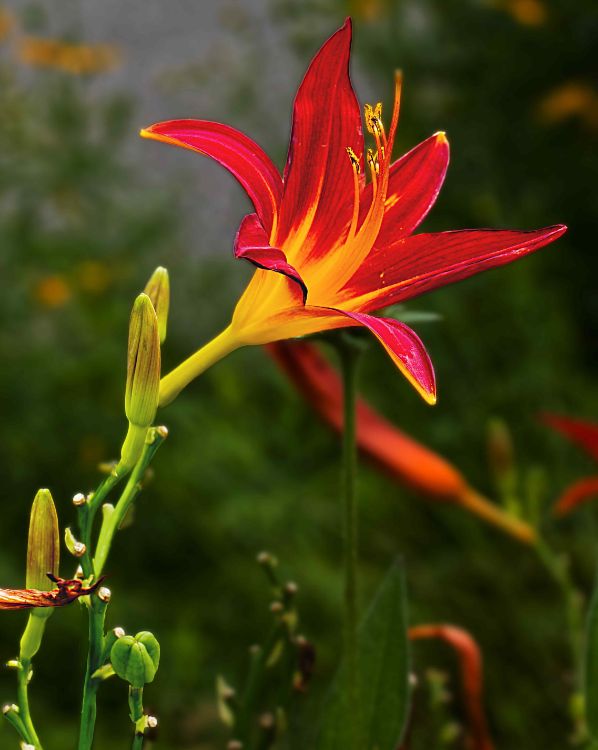
Their arching foliage stays neat for most of the growing season, while the flowers appear in countless shades ranging from soft peach to deep red. Since different varieties bloom at different times, you can enjoy color for weeks with minimal upkeep.
Another low-maintenance option is Catmint. This perennial forms soft mounds of gray-green foliage topped with lavender-blue flowers that bloom for a long stretch of the season. Once established, catmint surprisingly tolerates heat, dry soil, and occasional neglect. A quick trim after flowering often encourages another wave of blooms later in summer.
If you want something sturdy and reliable, Peony is hard to overlook. These plants can thrive for decades with very little care once they settle into the garden. Their large and fragrant blooms create a luxurious look in late spring, while the deep green foliage remains attractive through much of the year.
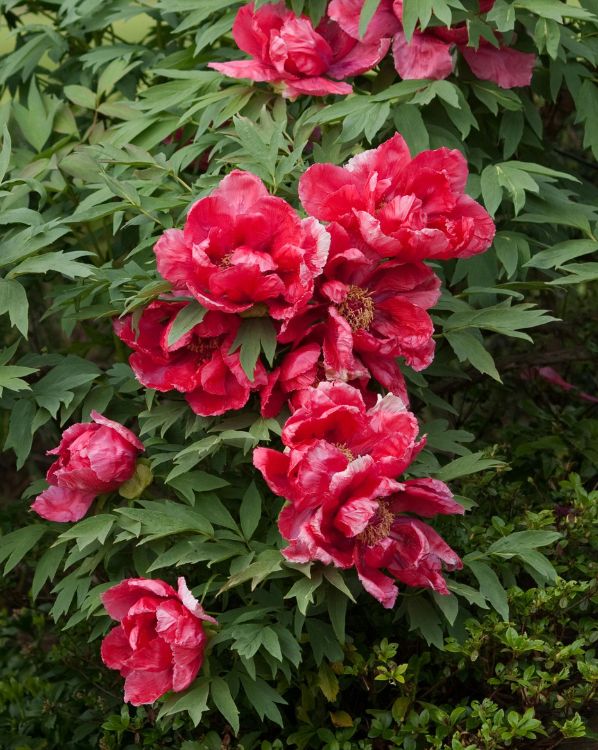
For ground coverage that stays tidy, Creeping Jenny works beautifully around pathways and borders. Its trailing golden foliage spills gently across the soil and brightens darker spaces without becoming difficult to manage. It also pairs well with taller flowering plants, softening the edges of garden beds.
You may also appreciate Hellebore, especially if you want color earlier in the year. Often called the Lenten rose, this perennial blooms in late winter or early spring when most gardens still look empty. The flowers last for weeks, and the evergreen foliage keeps the plant attractive even after the blooms fade.
By choosing easy-care perennials, you can spend less time worrying about maintenance and more time enjoying the garden itself. These plants continue looking fresh and lively without needing constant attention, making them perfect for a landscape that feels both beautiful and manageable.
Final Thoughts
Hostas may still have a place in some gardens, but they are no longer the only dependable option for shaded or low-maintenance spaces.
By exploring different perennials, you can create a yard filled with richer colors, longer blooming flowers, bold textures, and stronger seasonal interest.
Plants like Heuchera, Coneflower, Russian Sage, and Japanese Forest Grass each bring something unique that hostas cannot offer on their own. Some thrive through heat and drought, while others attract pollinators or add movement and shape to the landscape.
The best gardens often combine a variety of foliage, flowers, and textures instead of relying on a single familiar plant.
When you mix these perennials, your outdoor space feels more layered, vibrant, and alive from spring through fall. Instead of settling for ordinary garden beds, you can build a landscape that keeps drawing attention season after season.