
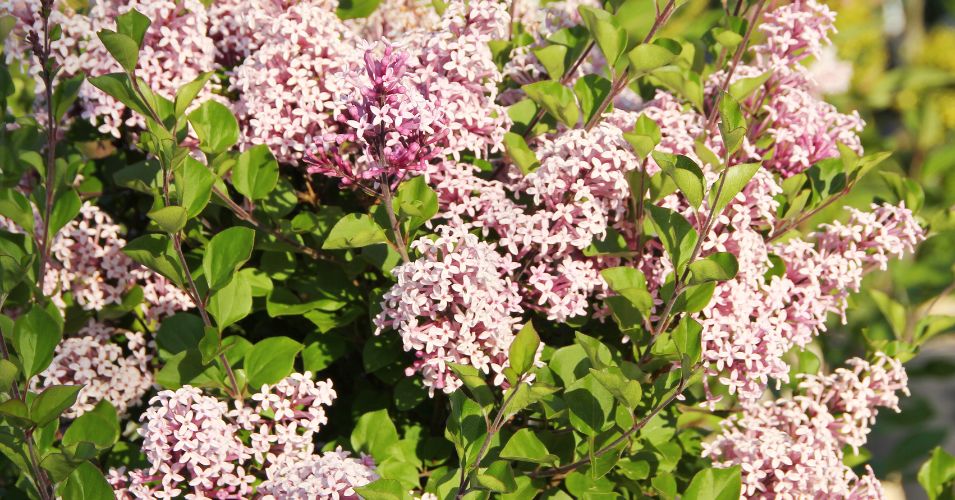
Butterfly bush asks for surprisingly little attention in fall, but a few well-timed jobs can make winter easier on the plant. Once the last flowers fade and leaves start dropping, you may wonder whether to prune, keep watering, add fertilizer, or leave the shrub alone.
The answer depends partly on your climate and how established the plant is. A young butterfly bush may need more protection than one that has been in the garden for years.
Knowing what matters, and what can wait until spring, helps you avoid unnecessary work while giving your shrub a healthy start next year.
How to Clean Up Butterfly Bush in Fall
By fall, even a healthy butterfly bush can look as though it has had a long season. The flowers have faded, leaves are beginning to drop, and a few brittle twigs may be mixed in with otherwise healthy branches.
You don’t need to make the shrub look perfect. A light cleanup is usually enough.
Start with the ground beneath the plant. Pick up fallen leaves, snapped stems, old flower heads, and weeds that have worked their way into the area over summer. Leaving a few ordinary leaves in the garden isn’t necessarily a problem, but remove material that looks diseased.
Leaves covered with suspicious spots, discolored stems, and other unhealthy plant material should go in the trash rather than a home compost pile.
While you are there, check the shrub itself. Broken branches can be clipped off, as can stems that are obviously dead. If you have to scratch and bend a stem several times to decide whether it is alive, leave it alone for now. Spring will make the answer much clearer.
Old flowers also deserve some attention.
Butterfly bush produces plenty of seeds, and those seeds can lead to unwanted plants. In some areas, butterfly bush is considered invasive, so removing spent flower heads before seeds mature is particularly important. Check local guidance if you are unsure about its status where you live.
Snip the faded blooms away without cutting far into healthy stems. This is cleanup, not the shrub’s main annual haircut.
Once the loose debris and problem growth are gone, stop. Healthy stems do not need to be stripped back just because the garden is heading into winter.
A butterfly bush may still look somewhat wild after its fall cleanup, and that is perfectly fine. At this point in the year, keeping the plant healthy matters more than making every branch look neat.
Should You Prune Butterfly Bush in Fall?
A large butterfly bush can make pruning feel almost irresistible in fall. After months of growth, branches may lean into paths, stick above nearby plants, or look far less tidy than they did earlier in the season.
Still, this is usually a job worth postponing.
Butterfly bush blooms on new growth, which is why established shrubs are commonly given their main pruning in late winter or early spring. By then, the worst of the cold is passing, and it is easier to see how the plant has handled winter.
Cutting a butterfly bush back hard in fall removes much of its existing top growth just as cold weather approaches.
Early fall pruning, followed by a stretch of warm weather, could also encourage tender new growth. Those fresh shoots are poorly prepared for a sudden freeze and may quickly be damaged once colder nights arrive.
So, what should you do with a butterfly bush that has become huge?
Unless branches are creating a practical problem, leave most of the shrub standing. If a stem has snapped, died, or been badly damaged, remove it with clean, sharp pruners. You can also cautiously shorten exceptionally long branches that are likely to whip around or break in winter winds.
Save the serious cutting for later.
Deadheading is fine in fall and should not be confused with cutting the whole shrub back. Removing faded flower clusters helps prevent seeds from ripening and spreading around the garden. This can be particularly worthwhile in regions where butterfly bush escapes cultivation easily.
Cold climates give gardeners another reason to wait. Some butterfly bushes experience considerable stem dieback over winter, so there is little benefit in deciding the plant’s final shape months beforehand.
Once buds and fresh growth appear in spring, living and dead wood become much easier to distinguish. That is the better moment to decide what stays, what goes, and how far the shrub needs to be cut back.
Fall Watering and Fertilizing Needs
Once the flowers are fading and the days feel cooler, watering is easy to forget. Butterfly bush is fairly tolerant of dry conditions once established, but its roots can still need moisture well into fall.
The weather should decide when you bring out the hose, not the calendar. A rainy fall may take care of watering for you, while several dry weeks can leave the soil surprisingly parched even when the air feels cool.
Push a finger a few inches into the soil near the plant. If it still feels moist, you don’t need to add more water. If it is dry, water slowly and thoroughly so moisture has a chance to soak down around the roots.
Try not to give the plant frequent, shallow splashes. They wet the surface without helping the deeper root system.
A butterfly bush planted earlier in the year will need closer monitoring. New shrubs have smaller root systems and cannot draw moisture from as wide an area as established plants. Check them during dry spells and water when needed, while making sure the ground never stays soggy.
Good drainage matters throughout the year. It becomes particularly important as cooler weather slows evaporation and wet soil takes longer to dry.
Fertilizing is one fall task you can usually cross off the list.
A late dose of fertilizer may push the shrub into producing fresh shoots when it should be winding down for winter. Tender growth that appears shortly before cold weather has little time to toughen up and can be damaged by frost.
Butterfly bush doesn’t normally need rich soil or frequent feeding. In fact, too much fertilizer can encourage lots of leafy growth without providing the flower display gardeners actually want.
If the soil could use some improvement, spread a little finished compost around the root area instead. Do not heap it against the stems.
As colder weather settles in, reduce watering naturally and let the butterfly bush follow the season rather than trying to keep it actively growing.
How to Protect Butterfly Bush From Winter Cold
Not every butterfly bush needs to be bundled up for winter. An established plant growing in a relatively mild area may be perfectly capable of looking after itself. Protection becomes more useful when the shrub is young, winters are harsh, or the plant is growing in a container.
Start at ground level, because protecting the roots often matters more than protecting every branch.
After temperatures have cooled, cover the soil around the shrub with several inches of loose organic mulch. Shredded leaves, bark, or similar garden materials help insulate the ground and reduce the repeated freezing and thawing that can stress roots.
Leave a small gap around the stems. Mulch piled against the base can stay damp and create conditions that encourage rot or give rodents somewhere sheltered to hide.
A butterfly bush planted this year may appreciate additional protection during its first winter. In a particularly exposed garden, burlap or a breathable plant cover can offer some shelter from harsh wind and severe cold.
You don’t need to wrap it like a parcel. Air should still be able to move around the branches, and you should avoid plastic sheeting because it can trap condensation.
Potted butterfly bushes are more vulnerable. A shrub planted in the ground has a large volume of soil insulating its roots, while roots inside a container are separated from freezing air by only the pot and a limited amount of soil.
If possible, move the container somewhere sheltered before severe weather arrives. Placing it against a protected wall can reduce wind exposure. In colder areas, an unheated shed, garage, or another suitable protected space may offer additional protection, depending on the variety and local winter conditions.
One last point to remember when spring arrives. Butterfly bush can look alarmingly dead after a cold winter.
Don’t assume bare, lifeless-looking stems mean the entire plant is gone. Top growth may die back while the roots remain healthy underground, with new shoots appearing once the soil warms.
Give the shrub a chance to wake up before making that call.
Mulching and Other Final Tasks Before Winter
By the time most of the leaves have dropped, there should not be much left to do around a butterfly bush. One job that is worth making time for, particularly in a cold climate, is putting down fresh mulch.
There is no rush to do it at the first sign of fall. Let the weather cool, and the plant begin settling down for the year. Then spread about 2 to 4 inches of mulch over the soil around the shrub.
You have plenty of material choices. Chopped leaves, bark, wood chips, and other loose organic mulches all work. The purpose is to insulate the soil and help protect the roots from sudden temperature changes.
Avoid a thick heap pressed against the stems.
Leave a little open space around the base of the shrub. Mulch that stays damp against stems can create problems rather than prevent them, and deep piles may become shelter for rodents during cold weather.
Before putting your gardening tools away, take a quick look at the nearby ground. Pull out weeds that are still hanging on and pick up any obviously diseased leaves. If a broken branch appears after windy weather, remove it too. Healthy branches can stay exactly where they are.
Pay attention to what happens after heavy fall rain as well. Water that disappears into the soil reasonably quickly is a good sign. Puddles that linger around the roots are not.
Butterfly bush prefers soil that drains freely, so repeatedly waterlogged ground may call for attention once gardening conditions improve.
Potted plants need a slightly different final check. Make sure water can escape freely through the drainage holes and empty or remove any saucer underneath the pot before it fills with cold rainwater. A sheltered position can also spare the plant from the strongest winter winds.
After that, there really is no need to fuss over the shrub. It may look bare and rather unimpressive for a while, but that is part of its normal seasonal cycle.
Leave the major reshaping for later and let winter do what winter does.
Final Thoughts
Butterfly bush does not ask for complicated fall care. In fact, doing less is often better once its flowering season ends.
Keep the soil from becoming extremely dry, clear away unhealthy plant material, and avoid fertilizer that could trigger tender late growth. Mulch can protect roots in cold winters, while young shrubs and potted plants may need a more sheltered spot.
Most importantly, resist the temptation to cut everything back simply because the branches look untidy.
Your butterfly bush is supposed to slow down as colder weather arrives. Bare stems and fading leaves are part of that process, not a sign that something has gone wrong.
Give the plant what it needs to get through winter, then leave the bigger jobs until the right season. With its roots protected and healthy, it will be ready to put its energy into fresh growth and another round of flowers when warmer weather returns.