
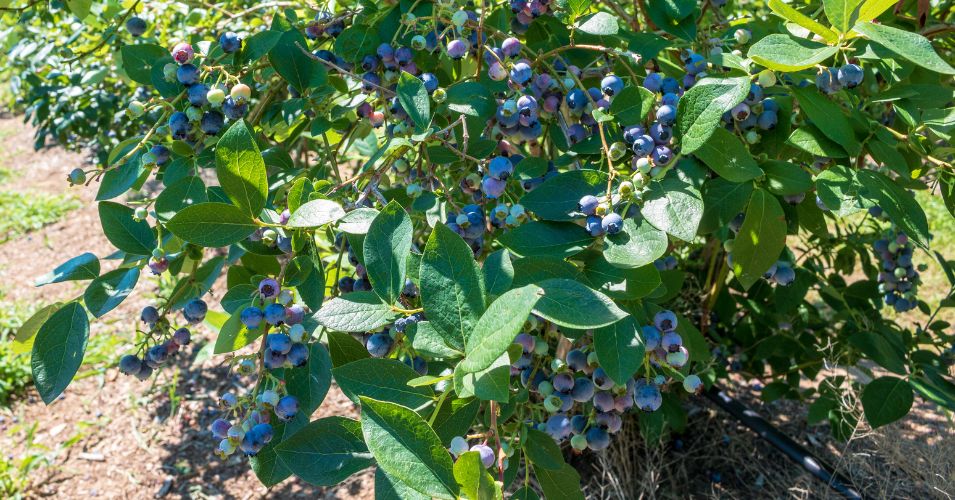
Blueberries have a way of looking easier to grow than they really are. A few bushes seem like all it should take to enjoy fresh berries every summer, but plenty of gardeners discover that the reality is different.
The plants can be surprisingly particular, and problems don’t always show up right away. A bush might survive for years while producing disappointing amounts of fruit or needing constant attention to keep it happy.
Eventually, some gardeners decide they have had enough. The reasons vary from one yard to another, but several common frustrations explain why blueberries sometimes end up being removed for good.
Blueberries Demand the Right Soil
Blueberries are picky about where they put down roots. That often surprises gardeners because the plants do not look particularly demanding. They are small shrubs, after all, and it is easy to assume they can be planted beside raspberries, currants, or other fruit and left to get on with it.
Unfortunately, ordinary garden soil may be exactly what they do not want.
Blueberries need acidic conditions, generally around pH 4.5 to 5.5. Plenty of gardens sit well above that range. A gardener can plant a healthy blueberry bush, water it faithfully, add fertilizer, and still watch the leaves slowly turn yellow.
It feels as though the plant is asking for something without saying what.
The problem is often not a simple nutrient shortage. In soil with the wrong pH, blueberries can struggle to absorb nutrients that are already there. Adding more fertilizer may accomplish very little.
That is when growing blueberries can start to feel more like managing soil chemistry than growing fruit.
Lowering the pH is possible. Elemental sulfur and suitable acidic amendments can help, but gardeners need to know what they are starting with. Guessing is risky, so soil testing becomes part of the job. Changes may also happen slowly rather than producing a dramatic improvement within a few days.
Then there is the soil itself. Blueberry roots like moisture, yet they do not appreciate sitting in soggy ground. Heavy clay can hold too much water. Very light soil can create the opposite headache by drying rapidly during warm spells.
Some gardeners avoid these problems by growing their blueberries in raised beds or large containers filled with an acidic growing mix. It gives them much more control, although it also means buying materials and maintaining a separate growing environment.
One blueberry bush suddenly has its own set of rules.
That extra effort can be worthwhile when the plants are productive. When they are not, gardeners may eventually wonder why they are spending so much time adjusting soil for a few handfuls of berries.
Watering Becomes a Delicate Balancing Act
There is a frustrating contradiction at the heart of watering blueberries. They dislike drying out, but they are not happy sitting in water either.
Finding the comfortable middle can take more attention than gardeners expect.
Blueberry roots tend to stay fairly close to the surface. They cannot always reach deep into the ground for moisture when the upper soil layers dry out, which makes prolonged hot weather particularly troublesome. A plant that looked fine earlier in the week can begin showing stress surprisingly quickly.
This matters even more when fruit is forming and ripening. The bush is trying to support new growth and develop berries at the same time, so a long dry spell is hardly ideal.
A good soaking helps, but reaching for the hose every day is not necessarily the answer.
Poorly drained ground can stay wet around the roots long after the surface appears normal. Keep adding water and the plant may end up struggling for a completely different reason. Blueberries need moisture without the swamp.
Rain makes the routine less predictable. One summer might bring regular showers and require little extra watering. The next could deliver weeks of dry weather that have gardeners checking their plants almost daily.
Potted blueberries can be even more demanding. Containers are useful because gardeners can fill them with a growing medium suited to acid-loving plants. The tradeoff is that pots lose moisture faster, especially when they are sitting in full sun during the hottest part of summer.
Mulch makes life easier. A decent layer around the plant can reduce evaporation, protect shallow roots, and keep moisture levels from changing so quickly.
It does not make the watering can disappear. For gardeners who spend time outside every day, keeping an eye on a few blueberry bushes might barely register as a chore. Someone who wants fruit plants that can tolerate a missed watering or a weekend away may feel differently.
Eventually, that need for regular attention can wear down the enthusiasm that made blueberries seem so appealing in the first place.
Small Harvests Test a Gardener’s Patience
A blueberry bush can occupy a good patch of ground without giving much back for quite a while. Gardeners who imagined picking bowls of berries every summer may find themselves counting individual fruits instead.
Young plants need time. Depending on their size when planted and the conditions they receive, it can take several years before they produce a useful crop. There may be berries before then, but often not enough to feel like much of a harvest.
Waiting would be easier if a large crop were guaranteed at the end. It is not.
Spring weather can interfere just as the flowers open. A badly timed frost may damage blossoms, while poor conditions for pollinating insects can reduce the number of berries that develop. Even a healthy-looking bush can have a disappointing year.
Having only one blueberry plant may not help matters either. Many varieties can produce berries on their own, but growing another compatible variety nearby can improve pollination and lead to better crops.
That means finding room for another bush when the first one has barely earned its space.
Pruning also affects what ends up in the fruit bowl. Older, neglected bushes can become crowded and less productive, but cutting without knowing which branches to keep can remove wood that would otherwise bear fruit. It takes a little experience to get the balance right.
All of this matters because gardeners naturally compare crops. A strawberry bed can start producing relatively quickly. Raspberries may spread enthusiastically and provide plenty to pick once established. Against that kind of competition, a blueberry bush producing a couple of handfuls can seem rather stingy.
Of course, a well-established blueberry plant in suitable conditions can eventually produce an impressive crop. Many gardeners decide the wait is worth it. Others lose interest before reaching that stage.
After years of adjusting the soil, watering carefully, and hoping for a better season, a small harvest can make the original excitement fade. At some point, the space occupied by an underperforming bush begins to look like the perfect place to grow something else.
Birds and Other Pests Get There First
Gardeners are not the only ones waiting for blueberries to ripen. Birds have an irritating talent for noticing the color change almost as quickly.
One day, the bush is covered in berries that need just a little longer. A few mornings later, many of the ripest ones have vanished.
This can be particularly annoying because blueberries don’t all ripen at the same time. Picking usually happens over time, with gardeners returning to the same bushes as more fruit reaches the right stage. Birds have plenty of opportunities to visit between those trips.
A few missing berries hardly matter on a heavily loaded bush. On a plant producing a modest crop, the loss is much harder to ignore.
Gardeners try all sorts of ways to discourage hungry visitors. Gardeners may hang reflective objects around plants and use imitation predators. These tricks can work temporarily, but birds are observant. Once they realize the strange object beside the blueberry bush is not actually dangerous, lunch is back on the menu.
Physical protection is often more reliable.
Netting can keep birds away from the fruit, provided it is fitted properly. Simply draping it over the branches is not always enough, since berries close to the mesh may still be within reach. Loose netting can also become tangled in branches and make harvesting unnecessarily awkward.
A simple frame around the bushes works better, but it adds another job to the gardening calendar. The structure needs to be large enough for the plants, accessible for picking, and secure enough that birds cannot slip through an opening.
Other pests can join the feast, too. Insects may attack leaves or fruit, while animals living nearby can take an interest in ripe berries.
Eventually, gardeners may find themselves protecting a crop that already required plenty of attention.
Losing fruit to wildlife is part of gardening, and most people accept a little sharing. It becomes harder to laugh about when birds repeatedly take a large portion of a small blueberry harvest.
For some gardeners, putting up nets every year is simply the final chore that makes blueberries feel like too much work.
The Long-Term Effort Can Feel Too High
Blueberry bushes can live and produce fruit for many years, which is one reason they seem like such a sensible addition to a garden. The trouble is that keeping them productive is rarely as simple as planting them once and forgetting about them.
Something usually needs attention.
Perhaps the soil pH has started moving in the wrong direction. Maybe the mulch has thinned out, the weather has turned unusually dry, or an older bush has become crowded with branches. None of these jobs is enormous, but together they can make blueberries feel surprisingly needy.
Summer tends to reveal just how much work is involved.
Hot weather means watching soil moisture, especially around container plants. Then berries begin to ripen, and birds discover them. Netting comes out, supports go in, and picking has to happen regularly because the fruit doesn’t ripen all at once.
Once the bushes get older, pruning joins the list. Removing some of the oldest growth helps keep a mature plant productive and allows room for healthier new stems. It is not difficult once a gardener knows what to look for, but it is still another seasonal task that cannot be ignored forever.
A heavy crop can make all of this easy to forgive. When a family is eating fresh blueberries, freezing extras, and still finding more on the bushes, a little maintenance hardly seems unreasonable. The situation feels quite different when all that care produces a small bowl of fruit.
Garden priorities also change over time. Someone who once enjoyed tending several demanding fruit plants may later want a simpler yard. Others discover crops that perform better in their particular soil and climate.
That is often why blueberries eventually lose their spot. The plants haven’t necessarily failed, and the gardener hasn’t suddenly forgotten how to grow them. They have reached the point where the harvest no longer feels worth the attention.
When another plant could use the same space with half the fuss, replacing the blueberries starts to make sense.
Final Thoughts
There is plenty to like about growing blueberries. A productive bush can provide delicious fruit for years, and picking ripe berries straight from the garden is difficult to beat.
That’s where some gardeners lose enthusiasm.
Blueberries have preferences you can’t always brush aside. They want acidic soil, reliable moisture, suitable pruning, and often some protection when the fruit begins to ripen. If the garden naturally provides good conditions, much of this is manageable. If it does not, every season can bring another adjustment.
For some people, the results are easily worth the trouble. For others, the bushes gradually become one garden job too many.
Replacing a plant that no longer earns its space is nothing unusual. Gardens change as people discover what grows well and what they actually enjoy looking after.
Sometimes giving up on blueberries leaves more room for a fruit that is happier to be there.