
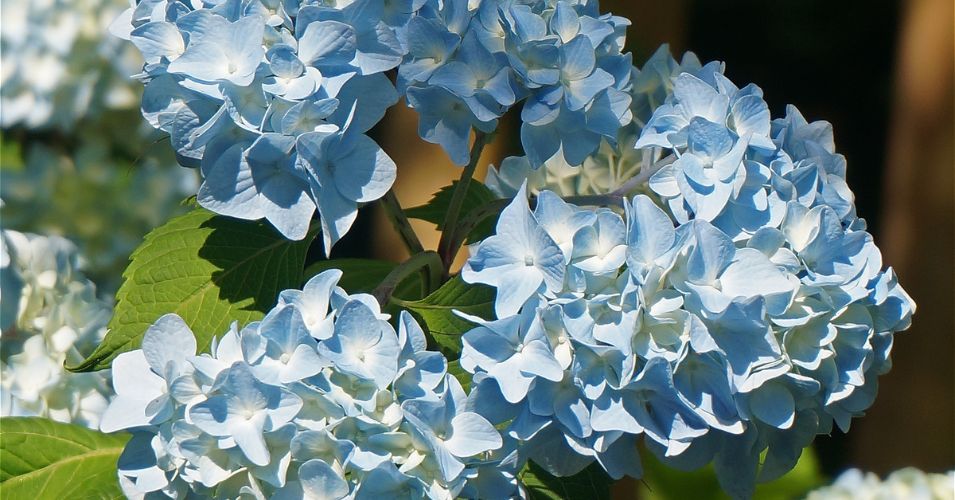
Hydrangeas are among the most rewarding shrubs to grow, but getting the watering right can take a bit of practice.
Give them too little, and the leaves soon begin to droop. Give them too much, and the roots can struggle in constantly wet soil.
The good news is that caring for hydrangeas is much simpler once you understand how their needs change throughout the year. Instead of following the same routine every week, it is better to let the seasons, the weather, and the condition of the soil guide your watering.
This guide explains exactly how often to water hydrangeas in every season.
How Often to Water Hydrangeas in Spring
Spring is the season when hydrangeas come back to life. New shoots appear, leaves quickly fill out, and before long the plant is preparing to produce flowers. All of that fresh growth requires water, but spring is also a time when nature often lends a helping hand through regular rainfall.
That doesn’t mean you can forget about watering altogether.
Instead of sticking to a schedule, pay attention to the soil. If the top couple of inches feel dry, it’s time to water. If the ground is still damp from recent rain, leave the hose where it is. Hydrangeas prefer consistently moist soil, not ground that stays wet for days.
Newly planted hydrangeas need the closest attention. Their roots are still settling into the soil, so they dry out much faster than established shrubs. In dry weather, expect to water two or three times each week. A slow, deep soak is far better than a quick splash because it encourages the roots to grow deeper into the ground.
Older hydrangeas are much more forgiving. In many gardens, one deep watering each week is enough during a typical spring. If the weather turns unusually warm or rainfall is scarce, they may need an extra drink.
Soil type also makes a difference. Sandy soil loses moisture quickly, meaning you’ll probably water more often. Clay holds water for longer, so it’s worth checking the soil before assuming your hydrangea is thirsty.
Try to water early in the day whenever possible. The roots have plenty of time to absorb moisture before temperatures climb, and the leaves dry quickly if they get wet. That simple change can also reduce the chance of fungal problems later in the season.
Once the soil has warmed, spread a layer of mulch around the base of the plant. It helps the ground hold onto moisture between waterings and keeps the roots cooler as spring gradually gives way to summer.
Summer Watering Tips for Healthy Blooms
If there is one season when hydrangeas will let you know they need attention, it’s summer. Hot afternoons, longer days, and large flower heads all increase the amount of water the plant uses. Miss a few waterings during a heatwave, and the leaves will often tell the story before anything else.
Most hydrangeas do not need to be watered every day. Established plants usually do well with one or two deep waterings a week in spring and two or three deep waterings a week in summer. However, newly planted hydrangeas and those growing in containers may need water more often. Always check the soil before watering rather than following a daily schedule.
Deep watering is far more effective than watering little and often. The goal is to soak the soil around the roots rather than wetting the surface for a few minutes. Plants that receive deep waterings tend to develop stronger root systems, making them better equipped to cope with hot weather.
One mistake many gardeners make is watering the moment they see drooping leaves. Hydrangeas often wilt during the hottest part of the afternoon, even when the soil is sufficiently moist.
Before adding water, check the ground with your finger or a small trowel. If the soil is still moist a couple of inches below the surface, the plant will often perk up again as temperatures fall in the evening.
Morning remains the ideal time to water because less moisture is lost to evaporation. It also gives the foliage time to dry before nightfall, which helps reduce the risk of disease.
A fresh layer of mulch can make a surprising difference during the hottest weeks of the year. It slows evaporation, keeps the soil cooler, and means you won’t have to water as frequently.
Summer weather can change quickly, especially if thunderstorms arrive after a long dry spell.
Rather than watering on the same days each week, let the soil’s condition guide your routine. Hydrangeas respond much better to consistent moisture than they do to a rigid schedule.
Adjusting Your Watering Routine in Fall and Winter
After a thirsty summer, hydrangeas gradually begin to slow down. Cooler temperatures and shorter days mean the plant is no longer using water at the same rate, so your watering routine should slow down as well.
The change is usually gradual rather than sudden. Early fall can still bring warm afternoons, especially in milder climates, and the soil may continue drying out faster than you expect. During this time, many hydrangeas still benefit from a deep watering about once a week if rainfall has been limited.
As fall progresses, nature often takes over. Cooler weather reduces evaporation, and seasonal rain helps keep the soil moist for longer. Instead of watering automatically, check the soil every week or so. If it still feels damp a couple of inches below the surface, there is no need to add more water.
By winter, most deciduous hydrangeas have entered dormancy. Since they are no longer producing leaves or flowers, their water requirements are much lower than they were just a few months earlier. In areas with regular rain or snow, established plants rarely need any additional watering.
Dry winters are a different story. If several weeks pass without meaningful rainfall and the soil becomes dry, give the plant a thorough soak on a mild day when the ground is not frozen. Watering frozen soil serves little purpose because the moisture cannot reach the roots.
Potted hydrangeas should never be forgotten completely. Containers lose moisture more quickly than garden beds, even in cold weather. Check the compost every couple of weeks and water only when it begins to dry out.
Before winter really sets in, it is worth giving hydrangeas one final deep watering if the weather has been dry. Moist soil helps protect the roots from winter stress and leaves the plant in good condition for the return of spring.
How Soil, Weather, and Plant Age Affect Watering
Ask ten gardeners how often to water hydrangeas, and you may hear ten different answers. That is because watering is influenced by far more than the calendar. The conditions in your own garden matter just as much as the season.
Start with the soil. Sandy ground drains quickly, so water disappears almost as fast as you apply it. Hydrangeas growing in these conditions usually need watering more often, particularly during warm weather.
Clay soil has the opposite problem. It holds onto moisture for much longer, which means watering too frequently can leave the roots sitting in wet ground.
The weather changes everything.
A week of steady rain can replace several planned waterings, while a spell of hot, windy weather may dry the soil within a day or two. Wind is especially easy to overlook because it pulls moisture from both the leaves and the soil, even when temperatures are fairly mild.
The plant’s age is another piece of the puzzle. A newly planted hydrangea depends on frequent watering while its roots become established. During the first growing season, the soil should never be allowed to dry out completely. Once the plant has been in the ground for a year or two, it becomes much better at finding moisture on its own.
Location can also make a noticeable difference. Hydrangeas growing in full afternoon sun generally need more water than those that receive shade during the hottest hours of the day. Plants growing near large trees or shrubs may also need extra watering because they compete for the same moisture beneath the surface.
With so many factors involved, watering on the same day every week rarely works for long. The simplest approach is also the most reliable. Check the soil before watering. If it feels dry a couple of inches below the surface, give your hydrangea a deep soak. If it is still moist, wait another day or two and check again.
Common Hydrangea Watering Mistakes to Avoid
Hydrangeas are often described as thirsty plants, but that does not mean more water is always better. In fact, many watering problems begin with good intentions. The challenge is knowing when your plant genuinely needs water and when it is better to leave it alone.
A common habit is watering little and often. While it may seem like you’re helping the plant, shallow watering only dampens the top layer of soil. The roots stay close to the surface where the ground dries out the fastest, leaving the plant less prepared for hot weather. Slower, deeper watering encourages stronger roots that can reach deeper moisture.
Another mistake is treating every drooping leaf as a sign of thirst. Hydrangeas are famous for wilting on hot afternoons, even when the soil is still moist.
Many gardeners rush to water without checking first, only to add unnecessary moisture to an already damp root zone. If the plant perks up later in the evening, heat was probably the cause rather than a lack of water.
Rainfall is easy to underestimate too. A slow, steady shower can soak the soil much more effectively than a quick hose watering. If your garden has received plenty of rain, there is usually no reason to stick to your normal routine. Let the soil tell you what to do instead of the calendar.
Watering at the wrong time can also make a difference. During the middle of a hot day, more moisture is lost to evaporation before it reaches the roots. Early morning remains the most effective time because the water has a chance to soak in before the sun becomes too strong.
It is also worth remembering that not every hydrangea has the same needs. A newly planted shrub, a mature plant, and one growing in a container will all use water differently. Copying the routine that works elsewhere may not give the same results in your own garden.
The easiest way to avoid most watering mistakes is surprisingly simple. Spend a few seconds checking the soil before you water. That small habit removes much of the guesswork and helps you respond to what the plant actually needs instead of what you think it needs.
Final Thoughts
There is no single answer to how often you should water hydrangeas because every garden is a little different. Weather, soil, sunlight, and even the plant’s age all influence how quickly moisture evaporates.
The good news is that hydrangeas usually tell you when something is wrong, as long as you know what to look for.
Checking the soil regularly, watering deeply rather than frequently, and adjusting your routine as the seasons change will do far more for your plants than following the same weekly schedule.
Once you get to know how your garden behaves, watering becomes much less of a guessing game. A little attention throughout the year is all it takes to keep hydrangeas healthy, resilient, and covered in beautiful blooms when flowering season arrives.