
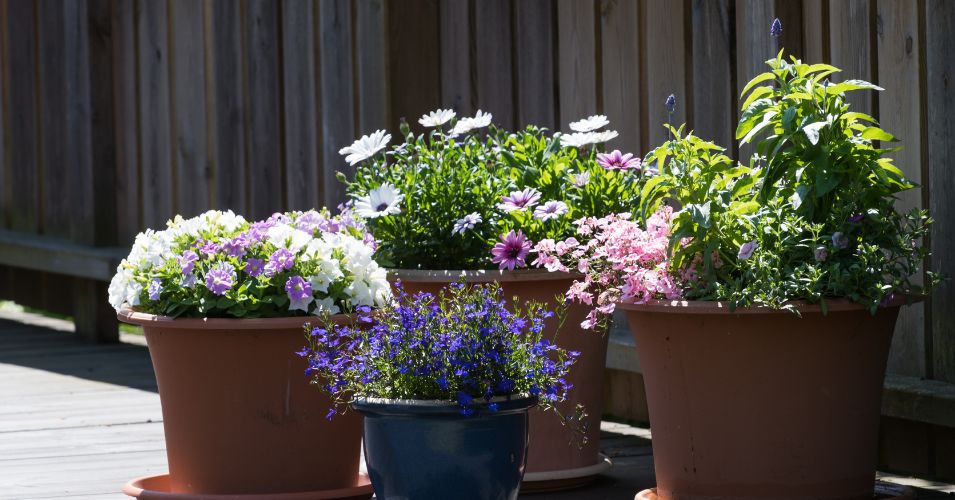
Container gardening is not just for annual flowers. Many perennials grow just as happily in pots, returning year after year with fresh blooms or attractive foliage.
They are a great option if you have a small yard, a balcony, or want to add color to a patio or front porch.
With the right combination of plants, you can enjoy containers that look beautiful from spring through fall, and sometimes even during winter.
Whether you prefer bright flowers, evergreen leaves, or fragrant plants, there are plenty of perennials that adapt well to life in a pot and reward you with lasting beauty.
Flowering Perennials That Shine in Pots
A container full of blooming perennials can provide color for months without the need to replant every spring.
Many gardeners assume these plants belong in flower beds, but plenty of them adapt well to pots as long as they have enough space and proper drainage. They can brighten a front porch, add life to a balcony, or become the focal point of a patio.
Choosing different bloom times also helps extend the display. Some perennials flower early in the season, while others continue producing buds well into fall. Mixing varieties with different heights, colors, and flowering periods creates containers that stay interesting for much longer.
Coneflowers are one of the easiest options if you want reliable blooms with very little effort. Their large flowers appear in shades of purple, pink, white, yellow, and orange, attracting butterflies throughout the summer.
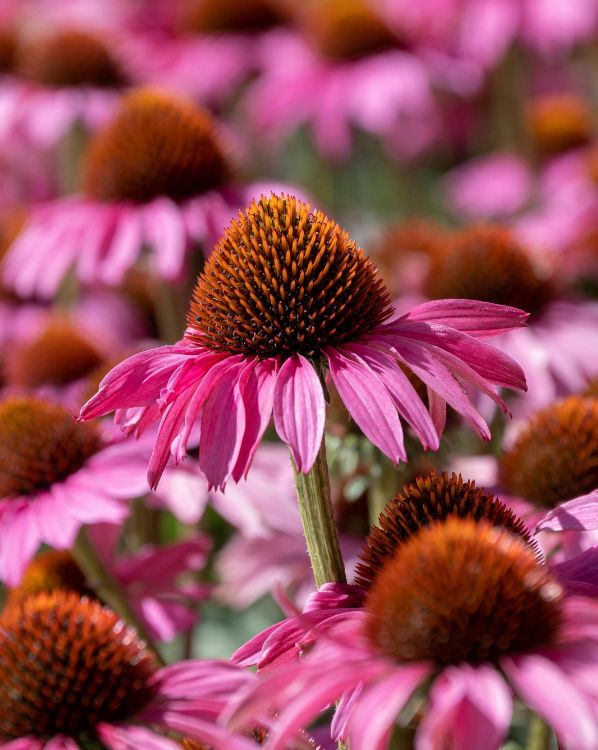
Even after the petals fade, the seed heads continue adding texture and often attract birds later in the year. Coneflowers appreciate full sun and can handle occasional dry spells, making them a dependable choice for busy gardeners.
Coral bells offer something completely different. While they produce delicate flower spikes during late spring and early summer, many people grow them mainly for their striking foliage. Depending on the variety, the leaves may be deep purple, bright lime green, silver, caramel, or nearly black.
Because the foliage stays attractive for such a long time, coral bells continue looking good even after flowering has finished. They also perform well in partial shade, making them useful for patios that receive limited afternoon sun.
Shasta daisies bring a timeless look to container gardens with their bright white petals and golden centers. Their cheerful flowers pair well with almost any other perennial and bloom steadily through much of summer when faded flowers are removed.
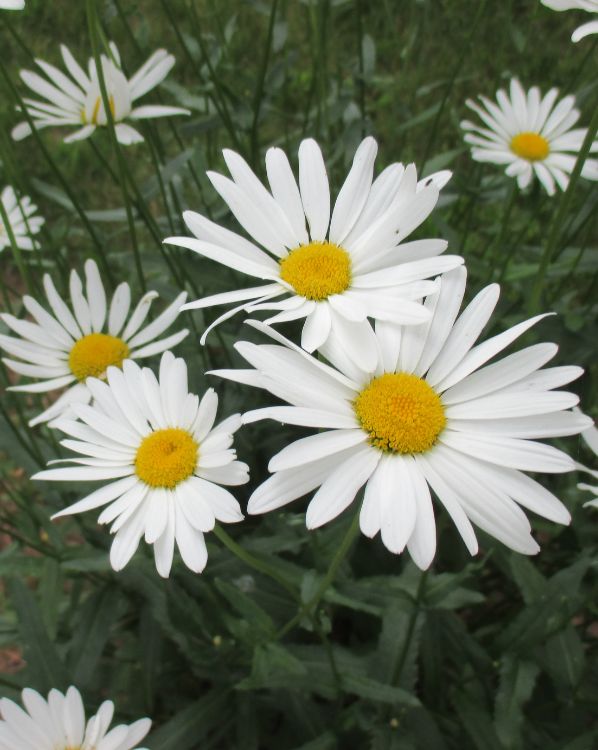
A healthy plant quickly fills a container without becoming difficult to manage, and its upright stems create a natural centerpiece in mixed arrangements. With plenty of sunlight and regular watering during hot weather, Shasta daisies reward gardeners with dependable color year after year.
Evergreen Perennials That Stay Attractive All Year
Not every perennial has to rely on flowers to earn a place in a container. Evergreen varieties continue adding color, texture, and structure long after most blooming plants have faded.
This makes them especially valuable during fall and winter, when many pots can otherwise look bare and forgotten.
Evergreen perennials also provide a strong foundation if you enjoy changing seasonal displays. Bright annual flowers can come and go, but these dependable plants keep the container looking full throughout the year. Their steady appearance creates a polished look without requiring constant attention.
Hellebores are among the best evergreen perennials for containers because they combine attractive foliage with very early blooms. In many regions, their flowers appear before winter has completely disappeared, bringing welcome color when little else is growing.
The glossy green leaves remain attractive through most of the year, giving the plant value long after flowering ends. Hellebores grow best in partial shade and appreciate consistently moist but well-drained soil.
Bergenia is another excellent choice if you want year-round interest. Its large, rounded leaves create a bold appearance in containers, and the foliage often develops reddish or bronze tones as temperatures cool.
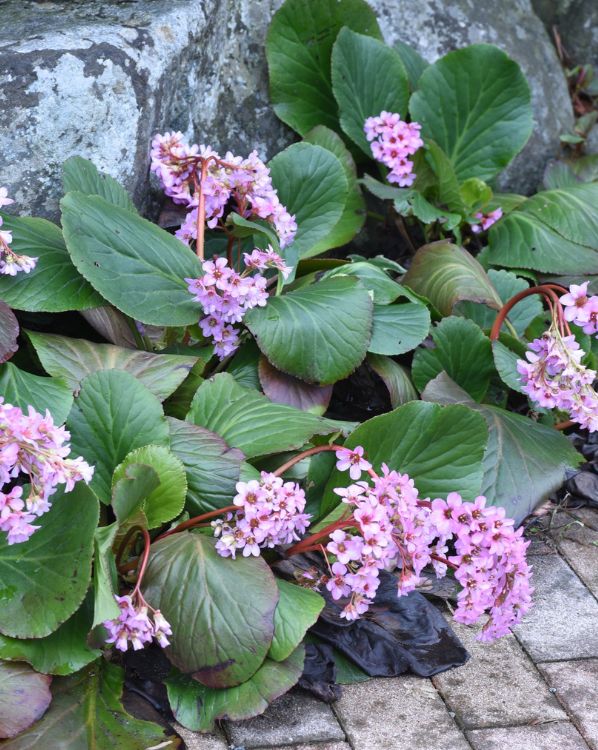
Spring brings clusters of pink, white, or purple flowers that rise above the leaves, adding another layer of color without taking attention away from the plant’s attractive foliage. Bergenia is hardy, easy to care for, and adapts well to both sun and partial shade.
Blue fescue is a compact ornamental grass that provides year-round interest with its neat, rounded clumps of icy blue foliage.
While it does produce delicate flower stems in early summer, the real appeal comes from its striking leaves, which keep their color through much of the year in many climates. The cool blue tones also pair beautifully with flowering perennials, creating contrast in mixed containers without overwhelming the display.
This perennial thrives in full sun and well-drained soil, making it an excellent choice for containers. Once established, blue fescue needs very little attention and tolerates dry conditions better than many other evergreen plants.
Its tidy shape makes it especially useful for adding texture and structure to pots, whether it is planted on its own or combined with colorful blooms and trailing plants.
Shade-Loving Perennials for Container Gardens
Not every patio or balcony enjoys full sunshine, but that does not mean your containers have to look empty or uninspiring.
In fact, some of the most attractive perennials actually prefer a little protection from the afternoon sun. Their foliage often stays healthier, their flowers last longer, and they bring life to spaces where many sun-loving plants refuse to grow.
Containers also make it easier to garden in the shade because they can be repositioned as nearby trees grow or the angle of the sun changes through the year. A few well-chosen perennials are often all it takes to turn a quiet corner into one of the most inviting parts of the garden.
Hostas are an obvious choice, but they have earned their reputation for good reason. Few perennials produce such bold foliage in so many different colors and patterns. Some varieties have rich green leaves, while others feature blue tones or creamy white edges that brighten darker spaces.
During summer, slender stems carry pale purple or white flowers above the leaves, adding another layer of interest. A large container with consistently moist soil allows hostas to grow into impressive specimens over time.
Astilbes bring color where many flowering plants struggle. Their soft plumes rise above finely divided foliage, creating an airy look that contrasts beautifully with broader-leaved plants like hostas.
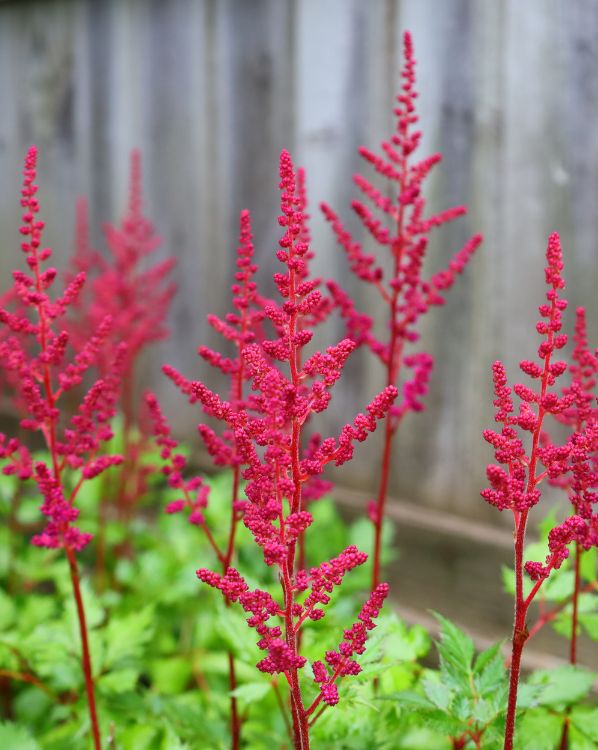
Shades of pink, red, lavender, and white all work well in containers, especially when grouped. Astilbes appreciate regular watering because pots dry out faster than garden beds, but the reward is a long-lasting display that lights up shaded patios throughout summer.
Japanese painted ferns prove that flowers are not always necessary. Their graceful fronds combine silver, green, and burgundy tones that seem to shimmer in filtered light.
They add movement without becoming untidy and pair naturally with almost any other shade perennial. Even a simple container planted with nothing more than a painted fern can look elegant from spring until fall.
Fragrant Perennials That Thrive in Containers
Some plants catch your eye first. Others make an impression the moment you walk past them.
Fragrant perennials have a way of making a garden feel more welcoming because their scent becomes part of the experience. A single container placed beside a doorway or outdoor chair can fill the surrounding space with fragrance for weeks.
Growing scented perennials in pots also puts them exactly where you will enjoy them most. Instead of planting them at the back of a flower bed, you can keep them close to everyday living spaces where their fragrance never goes unnoticed.
Lavender is one of those plants that rarely disappoints. The soft purple flower spikes look beautiful throughout summer, but the silvery foliage is just as appealing.
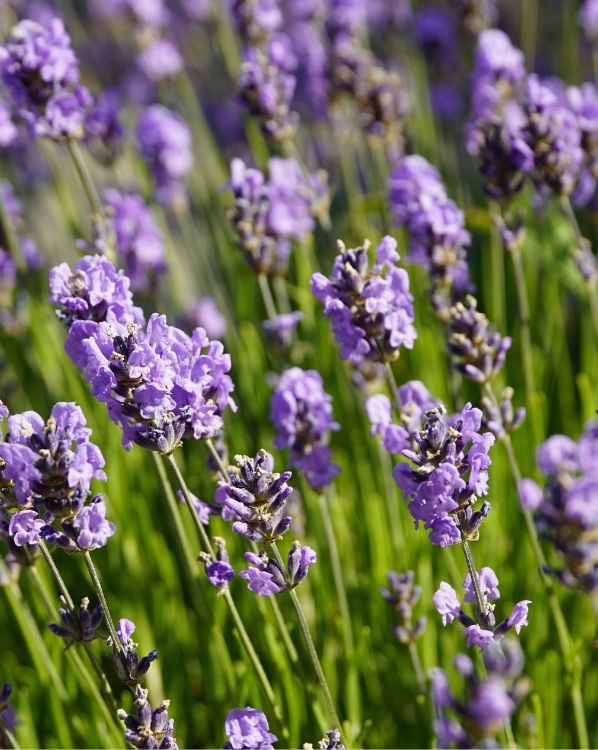
Brush against the leaves while watering or walking by, and the familiar scent is released almost instantly. Lavender also appreciates the sharp drainage that containers provide, making pots one of the easiest ways to keep the plant healthy for years.
Garden phlox deserves far more attention than it usually receives. Its rounded flower clusters bloom in bright shades of pink, purple, white, and red while producing a sweet fragrance that becomes even more noticeable during warm evenings.
Compact varieties are especially well suited to containers because they stay full without becoming oversized. When spent flowers are removed, many plants continue blooming well beyond the first flush.
Bee balm offers something a little livelier. Its unusual flowers draw butterflies, hummingbirds, and bees from surprising distances, while the leaves release a fresh, minty aroma whenever they are touched.
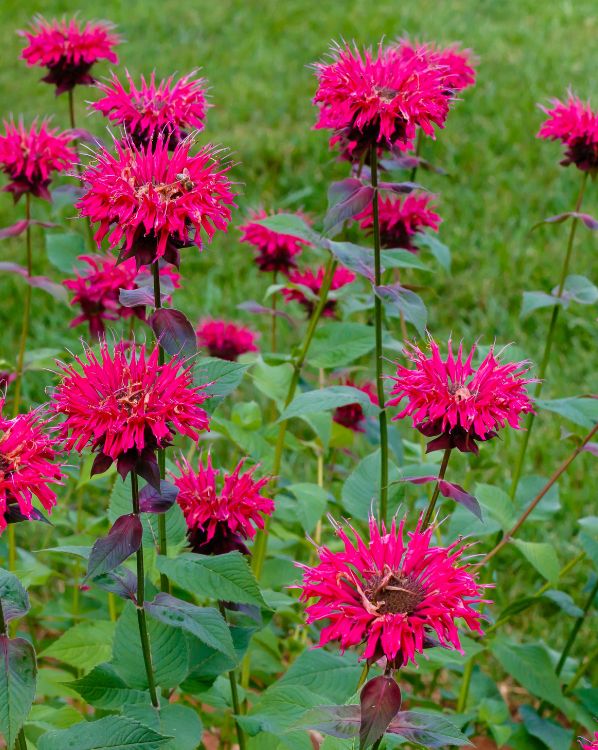
Newer compact varieties fit comfortably into containers without sacrificing their colorful display. Place a pot near a seating area, and you can enjoy both the fragrance and the constant stream of pollinators that visit throughout the summer.
Tough Perennials That Handle Heat and Drought
Summer can be hard on container gardens. A pot sitting in full sun may dry out in a single afternoon, especially during a heat wave.
While no perennial is completely maintenance-free, some are much better at handling hot, dry conditions than others. If you cannot water every few hours, these dependable plants deserve a place in your containers.
Sedum has become a favorite among gardeners because it asks for so little while giving back plenty of color and texture. Its thick leaves naturally hold water, allowing the plant to stay healthy long after thirstier perennials begin to wilt.
Many compact varieties fit comfortably into medium sized pots, while trailing types spill over the edge to soften the container. By late summer, clusters of pink or red flowers appear and quickly become a magnet for bees and butterflies.
Blanket flower is another perennial that refuses to let hot weather slow it down. Its bright blooms, often a mix of yellow, orange, and rich red, seem to keep coming through much of the summer.
Full sun encourages the best flowering, and well-drained soil helps the roots stay healthy even after heavy rain. It is an excellent choice if you want a container that keeps producing color without demanding constant attention.
Now and then, removing old flowers encourages fresh buds to appear, but the plant still performs well if you let it do its thing.
Russian sage brings a completely different look. Instead of large blooms, it produces airy stems covered with tiny lavender blue flowers that seem to float above the silvery foliage. The effect is soft and natural, adding height without making a container feel crowded.
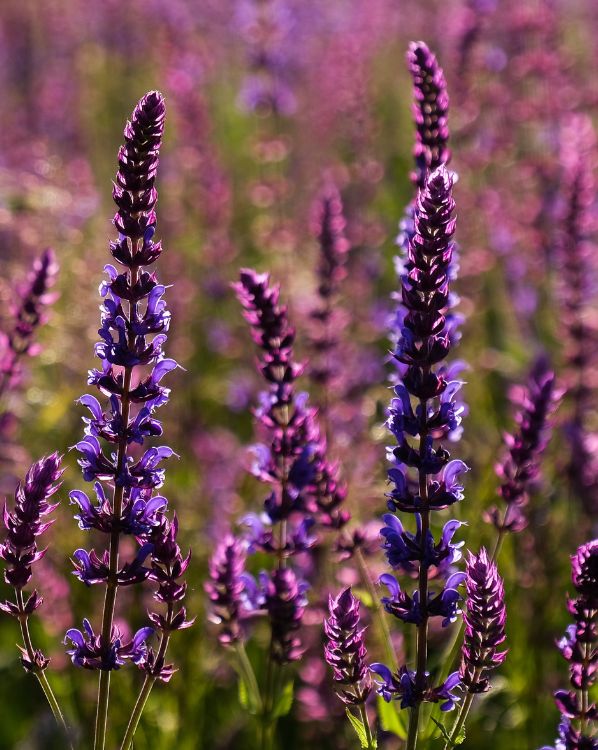
Once established, Russian sage is remarkably tolerant of heat and dry soil, which is one reason it has become so popular in low-maintenance landscapes. It also mixes beautifully with flowering perennials, adding contrast without stealing the spotlight.
Final Thoughts
Perennials prove that container gardening is about much more than seasonal flowers. The right plants return year after year, saving both time and money while giving patios, balconies, and porches a finished look that changes with the seasons.
There is no single perennial that works everywhere, which is why it helps to think about the conditions you have before choosing your plants. Some thrive in full sun, others are happiest in the shade, and a few can handle almost anything a summer throws at them.
Start with a couple of reliable favorites, learn how they respond to your space, and build your collection from there. Before long, your containers will have the same lasting beauty and character as a well-established garden bed.