
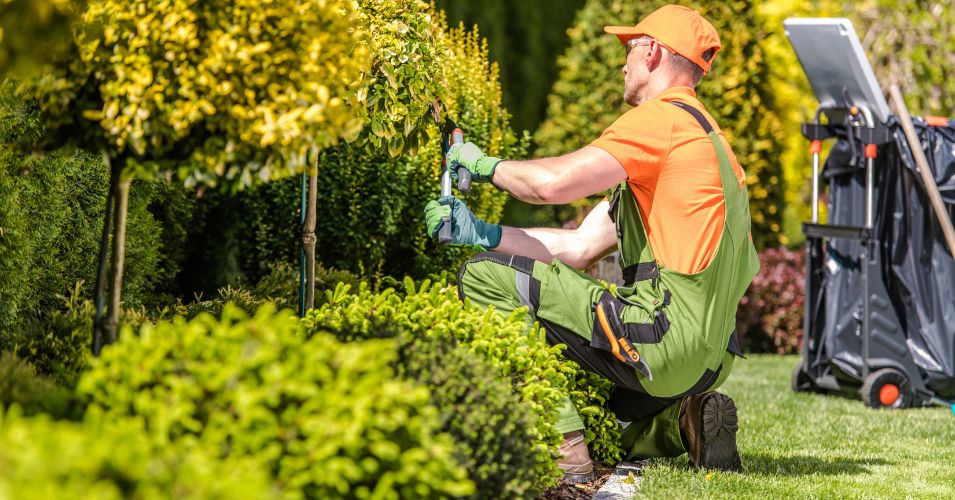
Landscaping is a trade built on early mornings, hard physical effort, and the quiet pride of transforming outdoor spaces. Landscapers feel the seasons in their muscles as much as they see them in the sky. Heat, cold, rain, and long hours become part of daily life.
For many, the work is more than a job. It becomes an identity shaped by years of effort and dedication. But even the strongest workers reach a point where the demands begin to feel different.
Retirement rarely arrives suddenly. It reveals itself through small signs that grow clearer with time. Learning to recognize those signs can help you step into your next chapter with confidence.
Your Body Struggles to Keep Up With the Pace
There was a time when long days in the field felt demanding but manageable. You could move from one task to the next without thinking much about how your body would feel the next morning. The pace of the work matched the strength you brought to it.
Over time, that balance can change. Tasks that once felt routine now leave you winded. Lifting materials takes more effort. Repeating the same motions throughout the day feels heavier than it once did.
Fatigue starts to arrive earlier in the day. By midday, your energy already feels drained. You push through on willpower more than strength.
Recovery becomes slower. Soreness that once faded overnight now sticks around for days. Muscles feel tight even after rest. Stretching becomes something you must do rather than something you choose to do.
You may notice that your movements grow more cautious. You bend more carefully. You lift more slowly. You pause before tasks you once rushed into without a second thought.
The pace of the crew may begin to feel faster than your own. You work just as hard, but your body no longer responds as quickly as it once did. Trying to keep up starts to feel like chasing a rhythm that keeps slipping ahead of you.
This can affect confidence as much as it affects stamina. You may feel frustration at limits you never had before. Pride can make it difficult to slow down even when your body asks for it.
Outside of work, the slowdown becomes more obvious. Even simple activities feel tiring. Energy that once carried into evenings and weekends now runs out sooner.
The realization grows quietly. Your body is no longer comfortable at the same pace the job demands. This does not happen all at once. It builds through countless small moments of strain.
When the daily workload consistently pushes you past your physical comfort zone, retirement begins to feel less like quitting and more like listening. It becomes the choice to protect your long-term health rather than continue a pace your body can no longer sustain.
The Changing Seasons Feel Harder on You Each Year
Landscaping means working in every type of weather. Early in your career, the seasons felt challenging but manageable. Summer heat was intense but tolerable. Cold mornings were uncomfortable but temporary.
As the years add up, the seasons begin to carry a heavier cost. Heat feels more draining than it once did. Long hours under the sun sap energy faster. Recovery from hot days takes longer.
Cold weather becomes harder to shake off. Stiff fingers move slower. Muscles tighten more easily. It takes longer to feel warm again after working in low temperatures.
Rain becomes less of an inconvenience and more of a burden. Wet clothing chills the body faster. Slippery surfaces increase the risk of falling. Comfort fades quickly in poor conditions.
Seasonal allergies can also grow stronger. Breathing feels heavier during pollen-heavy months. Fatigue increases. Focus becomes harder to maintain when your body is already under stress.
What once felt like part of the adventure of outdoor work begins to feel like a constant strain. The unpredictability of the weather no longer excites you. It wears you down.
You may notice that extreme days leave lasting effects. A heat wave can drain you for several days. A stretch of cold mornings can make joints ache for weeks.
Sleep can suffer as well. Hot nights make rest difficult. Cold-related aches interrupt sleep cycles. True recovery becomes harder to achieve.
The emotional side of seasonal strain grows, too. Facing another long summer or another cold season no longer fills you with the same readiness. It fills you with doubt.
The weather is part of the job that never changes. Your tolerance for it, however, does change with time. When the seasons start taking more from you than they ever did before, retirement begins to feel like a way to finally work in comfort rather than against the elements.
Small Aches Turn Into Constant Companions
Early in your career, soreness came and went. A stiff back after a long day eased up by morning. A strained shoulder healed after a weekend of rest. Pain felt temporary and manageable.
Over time, those small aches stop disappearing. They settle in quietly and stay longer than expected. What once felt like passing discomfort becomes part of your daily routine.
You wake up already sore. Knees feel tight before your feet touch the ground. Your lower back reminds you of every heavy load you lifted the day before. It takes time just to feel ready to move.
During the workday, the aches grow louder. Bending, pulling, pushing, and lifting all trigger familiar pains. You work through them because you always have, but the effort feels heavier now.
By the evening, the soreness follows you home. It shapes how you sit, how you sleep, and how you move through simple tasks. Comfort becomes harder to find.
Pain medication may become a regular part of your routine. So do heating pads, braces, and careful stretching. These tools help, but they do not carry the relief you once expected.
There is also a mental fatigue that comes with constant discomfort. You begin each day already aware of what will hurt later. That awareness quietly drains motivation before the work even begins.
You may start avoiding certain movements to protect painful areas. Over time, this changes how you work. It slows you down. It alters your posture. It increases the strain on other muscles.
Small aches also affect life outside of work. Activities that once felt relaxing now feel demanding. Even rest requires careful planning around pain.
Doctors may offer treatments, exercises, or medications. Some bring partial relief. Few return you to how you once felt. The reality of long-term wear becomes harder to deny.
When aches turn into constant companions instead of passing visitors, it sends a clear message. Your body has been giving its strength for many years. Retirement begins to feel like a way to finally give something back to yourself rather than continue the cycle of daily recovery.
The Joy of Shaping Landscapes Begins to Fade
At the start of your career, there was real joy in watching a space transform. Turning bare ground into something living felt rewarding. Each project carried a sense of purpose and visible progress.
Over time, that joy can soften. The work still gets done. The results are still there to see. But the excitement behind the effort feels smaller than it once was.
You may notice that new projects no longer spark curiosity. Design plans that once felt interesting now feel like another task to complete. The creative side of the work feels quieter.
Finishing a job brings relief more than pride. You are glad it is done, but you do not pause to admire it the way you once did. The satisfaction fades faster than it used to.
Burnout often arrives this way. It does not always bring anger or frustration. It often brings indifference. You still care enough to do good work, but not enough to feel inspired by it.
Repetition plays a role. Many tasks repeat season after season. Mowing, trimming, planting, clearing. Over the years, the rhythm can feel more monotonous than meaningful.
Pressure from schedules, clients, and weather can also dull the joy. When every project becomes a race against time, creativity takes a back seat to survival.
You may start feeling more excited about time off than about any upcoming job. Days away from the field become the highlight rather than the exception.
This shift can feel confusing. You invested so much into this work. It shaped your identity and your pride. Watching that passion fade can feel like losing a part of yourself.
But losing joy does not erase the value of what you built. It simply signals that your relationship with the work is changing. When shaping landscapes no longer brings the fulfillment it once did, retirement begins to look less like an end and more like the natural close of a long creative chapter.
You Start Imagining Mornings Without Tools and Trucks
At first, the thought appears quietly. You picture waking up without an alarm set for an early start. You imagine a slow morning that does not begin with loading equipment or checking the weather.
Over time, those images become clearer. You begin to picture relaxed mornings with coffee instead of noise from engines and tools. The idea feels strange at first, almost unreal.
You start noticing how often your mind drifts during the workday. While trimming or hauling, your thoughts wander toward what your time might look like without a job schedule guiding every decision.
You may begin to plan things you have always postponed. Trips that never fit into the work calendar now seem possible. Family time that was once rushed feels more reachable.
Conversations begin to change. Instead of talking mostly about routes, jobs, and weather, you talk about what you might do if your mornings were truly your own.
Your sense of identity slowly begins to shift. For years, being a landscaper shaped how you saw yourself. Now you begin to imagine who you might be without that daily routine.
There can be excitement in this stage, but also uncertainty. The future feels open in a way it has not for a long time. With that openness comes both freedom and a trace of fear.
You may begin taking small steps toward change. You cut back on hours when possible. You save with more focus. You test what life feels like when work is not the center of every day.
Time itself starts to look different. You no longer measure it only in workweeks and seasons. You begin thinking in experiences and personal goals.
The truck becomes just a vehicle instead of a lifeline. The tools become tools instead of extensions of your body. That mental shift matters more than you might expect.
When your mornings in your imagination no longer include dirt on your hands and equipment in the driveway, your heart is already stepping into the next phase of life. Retirement stops feeling distant and starts feeling real.
Final Thoughts
Retirement for a landscaper does not arrive all at once. It forms through physical strain, changing seasons, fading passion, and a growing pull toward a different kind of life.
Choosing to step away is not weakness. It is awareness. It is the decision to protect your health and reclaim your time after years of hard, honest work.
The landscapes you shaped will continue to grow long after you leave the field. The discipline, patience, and pride you built will remain part of who you are.
Recognizing the right time to retire allows you to move forward with confidence, knowing that the next chapter is not the end of your story but the beginning of a new one.