
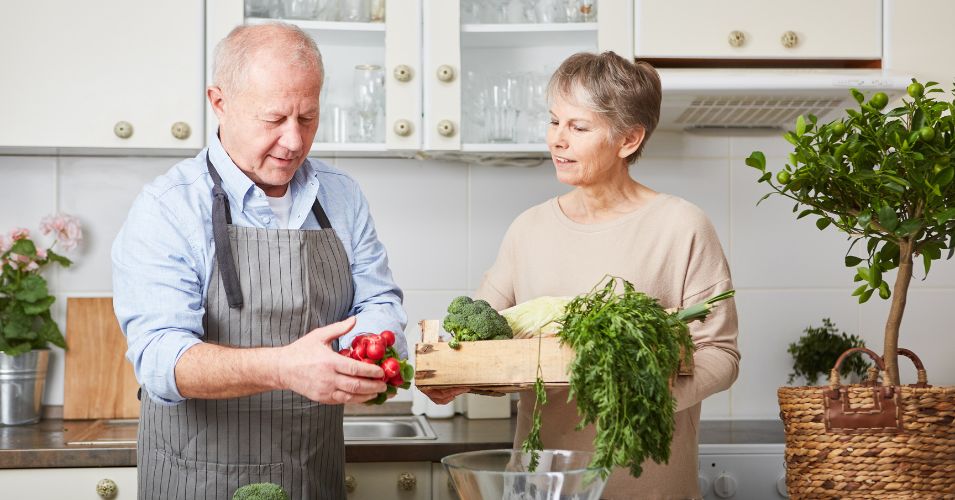
Cooking in your 80s can feel both familiar and frustrating. For decades, you may have taken pride in preparing meals for your family, creating comfort with every dish.
But now, the same kitchen that once felt like a joyful place may feel harder to manage. Simple tasks like lifting pots, chopping vegetables, or even reading recipes can become challenging.
The smells and sounds still bring memories, but the work behind them feels heavier.
This article gently explores the quiet struggles many face when cooking in later life and offers supportive, thoughtful ways to keep mealtime meaningful, safe, and enjoyable.
When Familiar Tasks Become Physically Harder
There was a time when cooking felt like second nature. You could slice, stir, and season without thinking twice. The kitchen was your rhythm, and you moved through it with ease.
Now, those same tasks can feel like mountains. Opening jars, lifting heavy pots, or standing at the stove for too long can leave you tired or even in pain. Your hands may not grip as tightly. Your legs may not support you as they once did.
Even small motions like stirring a thick batter or peeling vegetables can become frustrating. What once took minutes now takes much longer, and your energy disappears faster than it used to.
You might avoid using certain tools or cooking certain dishes, not because you do not love them, but because they feel too hard to handle. The kitchen has not changed, but your body has.
This shift is not easy to accept. It feels like losing a piece of yourself. Cooking has likely been tied to your identity for many years. It was how you cared for others, how you celebrated, and how you brought comfort into your home.
Letting go of some of that ability can bring sadness. You may try to hide your struggle from others. You may tell yourself it is just a bad day. But the truth is, your body is asking for a new approach.
That does not mean giving up on cooking. It means adapting to where you are now. It means finding new tools, gentler methods, and asking for help when needed.
Your love for food and care for others have not disappeared. They are still there, just waiting to meet you in a kitchen that fits your needs today.
You are still a cook. You are still capable. You simply deserve to do it in a way that honors your strength and protects your well-being.
Why Mealtime Can Feel Less Joyful Than Before
There was a time when every meal had meaning. The clatter of pots, the scent of dinner in the air, and the laughter around the table made each bite feel like part of something bigger.
But now, meals may feel quieter. Sometimes, they feel lonelier. You may find yourself cooking for one, or heating leftovers instead of preparing something from scratch.
The joy that once lived in your kitchen may feel distant. You may miss setting the table for your spouse. You may long for the voices of your children or the excitement of planning holiday feasts.
When the house is quiet, the process of cooking can feel like a chore instead of a gift. The flavors are still there. The memories still surface. But the heart of it feels dimmed.
You may also notice that your appetite has changed. Food does not taste the same. You eat less, or you skip meals altogether. Without someone to cook for or share the meal with, the act of eating may feel less important.
This change can be emotional. Food is deeply connected to love, memory, and comfort. When the connection feels broken, so does the joy.
You are not alone in this feeling. Many people in their 80s experience a quiet grief over what meals used to be.
But there are ways to bring back a sense of joy. It may come in small forms. A favorite dish. A phone call during lunch. Sharing something you made with a neighbor.
Even one warm plate shared with another can turn mealtime from a task back into something beautiful.
The joy may not look the same as it once did, but it can still find its way back to your table. One bite, one memory, one moment at a time.
What Others Often Miss About Cooking at This Age
To someone younger, cooking might look like a simple routine. They see the meal on the plate and forget about all the small steps it takes to get there. But at this age, every part of the process carries more weight.
From planning the menu to gathering ingredients, every detail takes more energy and attention than it once did. You may need to sit down between steps. You may lose your train of thought halfway through a recipe. You may avoid using certain tools or ingredients because they are too hard to manage.
What others often miss is the mental and emotional load that comes with it. Cooking is not just physical. It takes memory, focus, and coordination. When your hands shake or your knees ache, it can be discouraging.
They may not see how hard it is to reach a high shelf or carry a full pot of water across the kitchen. They may not notice that reading small print on a food label or recipe card takes twice as long as it used to.
And when a meal does not turn out quite right, they may shrug it off. But for you, it can feel like a quiet loss. A reminder that something you once did well now comes with doubt.
There is also an emotional side to this that people overlook. Cooking might be one of the few things that still feels familiar. When it becomes harder, it can feel like a part of your identity is slipping away.
The people around you may mean well. They may try to help without realizing that you want to be seen, not just supported. You want to feel respected for what you can still do, even if it takes more time.
You are not just making a meal. You are holding onto a part of yourself.
Simple Adjustments That Make Cooking Easier and Safer
You do not have to stop cooking to stay safe in the kitchen. A few smart adjustments can make everyday meals easier to prepare and more enjoyable to create.
Start by looking at your kitchen layout. Keep the items you use most within easy reach. Move heavy pots, dishes, and canned goods to lower shelves where they are easier to lift without stretching or bending.
Use kitchen tools designed for comfort and control. A lightweight electric can opener can save your hands from strain. A jar opener with a good grip can prevent injury. Look for utensils with thicker, non-slip handles that are easier to hold.
Consider using a stool or chair when you cook. Sitting at the counter to chop or stir can reduce fatigue and lower the risk of falls. Cooking while seated gives you more stability and allows you to work longer without pain.
Try prepping food in smaller batches. Use pre-cut vegetables when available. Buy meat that is already trimmed. These small changes can help you focus on the joy of cooking without wearing yourself out.
Invest in a slow cooker or pressure cooker. These appliances make it possible to prepare hearty meals with less effort and fewer steps. They also reduce the need for standing over a hot stove.
Improve lighting in your kitchen. Bright, clear light helps you see what you are doing and avoid accidents. Place a lamp or motion light under cabinets if overhead lighting is too dim.
Non-slip rugs or padded floor mats add comfort and reduce the chance of slipping. Make sure your floor stays clear of spills and clutter to prevent falls.
Cooking can still be part of your daily life. With just a few thoughtful changes, your kitchen can feel welcoming and manageable again.
You deserve to feel confident in your space. These adjustments are not giving in. They are stepping forward with care.
How to Keep Food Enjoyable Without Doing It All Alone
Food is not just about fuel. It is about memory, tradition, and comfort. But when cooking becomes harder and the kitchen feels less inviting, it is easy to lose the joy that used to come with preparing and sharing a meal.
You may not want to give up your favorite dishes, but doing it all by yourself no longer feels possible. The good news is, you do not have to choose between giving up or pushing through the struggle. There is a middle path.
Start by inviting someone to join you in the process. It could be a friend, a neighbor, or a family member. Even if they do not know how to cook, they can help measure, stir, or keep you company while you work. That small bit of help can make a big difference in how much you enjoy the experience.
Share the responsibility by planning meals together. Let someone else do the shopping while you handle the recipes. Or ask them to prep the ingredients while you finish the dish.
Look into community programs or meal groups that bring older adults together to cook and eat. Being around others who also enjoy food can lift your spirits and remind you that cooking is still a shared joy.
You might also try alternating cooking duties. One day you prepare the main course, and someone else makes the salad or dessert. This keeps you involved without putting too much pressure on your energy.
If someone brings you food, ask if you can help reheat or serve it. Staying part of the process helps you feel active and appreciated.
Food still belongs in your life. The joy it brings can remain, even if your hands are not doing all the work.
You do not have to do it alone to make it meaningful.
Final Thoughts
Cooking in your 80s is not just about preparing food. It is about holding on to memories, traditions, and the comfort that mealtime brings. As tasks grow harder, it is natural to feel frustrated or discouraged.
But you do not have to give it all up. With a few changes and the help of others, you can keep the heart of cooking alive.
Let yourself enjoy the parts you love and release the parts that have become too heavy.
You are still a cook. You are still a source of warmth. And your kitchen still has stories left to tell.