
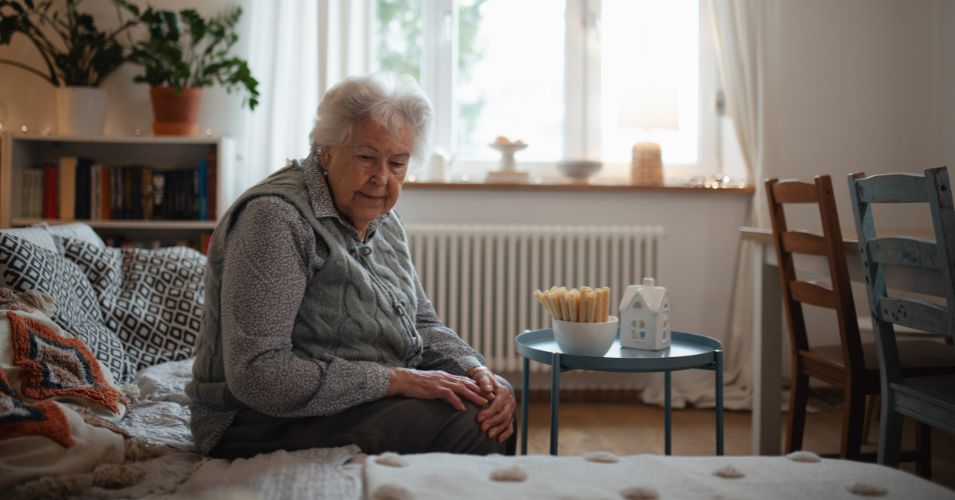
Living alone in your 80s is not always what people imagine.
There is a certain peace in having your own space, your own rhythm, and quiet moments to yourself. But there is also a weight to that silence.
Loneliness can sneak in when no one is looking. Tasks become harder when there is no one nearby to help.
The days can feel long, and the nights even longer. You may not talk about it often, but the struggle is real.
Still, you are not without hope. With small changes and the right kind of support, you can build a life that feels steady, warm, and yours.
When the Silence Starts to Feel Too Loud
Living alone means having full control of your space. You can rest when you want, cook what you like, and sit in quiet without interruption.
But sometimes, that quiet turns into something heavier. It settles in the room and lingers longer than you expected.
You wake up to a house that feels too still. No footsteps. No voices. Just the hum of the fridge and the ticking of a clock.
Morning coffee feels slower when there is no one to share it with. You may find yourself talking to the radio just to hear another voice.
The phone may not ring for days. The mailbox holds only bills or advertisements, but never a letter from someone who remembers.
Television becomes a companion, but it is not the same as real conversation. You miss eye contact, laughter, and simple back-and-forth moments.
Silence can make you feel invisible. It reminds you that your life used to be filled with more sound, more people, and more motion.
You may not say it out loud, but the loneliness shows up in quiet moments. You feel it when setting the table for one or when looking out the window too long.
Even when you feel strong, the lack of connection can wear on your heart. It becomes a silent ache you carry with you through the day.
But it does not mean you are forgotten. There are still ways to bring sound and connection back into your life.
A simple phone call, a friendly neighbor, or a chat with a store clerk can lift that silence, even for a little while.
You do not need constant noise. You just need reminders that your voice still matters and that you are not alone in this world.
The Daily Tasks That Wear You Down
When you live alone in your 80s, even simple chores can feel like mountains. What used to take ten minutes now takes thirty. Some days, it feels like everything takes more energy than you have to give.
Getting out of bed might be your first challenge. Stiff joints and sore muscles do not always cooperate in the morning.
Making breakfast takes longer. You reach for things slowly, making sure you do not drop anything or trip over a mat.
You wash the dishes carefully. Not because you want them spotless, but because one slip could mean a broken plate or a bruised hand.
Laundry piles up faster than expected. Carrying a basket or bending to pick up clothes feels heavier than it used to.
Taking out the trash, changing lightbulbs, even opening a stubborn jar can turn into exhausting tasks. You find yourself choosing what can wait until tomorrow.
And when there is no one around to help, the weight of all these chores feels bigger. You do your best, but the tiredness lasts longer now. You may feel guilty for leaving dishes in the sink. Or frustrated because a burned-out light bulb stays dark for weeks.
Sometimes you stop doing certain tasks altogether. Not because you want to, but because they cost too much effort or risk.
It is easy to feel like the house is getting ahead of you. And that thought can be hard to shake. But asking for help is not weakness. It is wisdom. There are people who care and want to ease the load.
Small tools, safe gadgets, and neighborly support can take pressure off your day. Even one less task can bring back energy and peace.
You are still capable. You are still in charge. But even strong people deserve a helping hand.
Finding Purpose When No One Is Watching
When you live alone, it is easy to feel like your time does not matter. No one is there to see what you do or cheer you on.
There are no coworkers or children needing your care. No one asking what you made for lunch or how your day has gone.
The quiet can make each day feel like a copy of the one before. Without a clear reason to get up, even the morning sun can feel dim.
But your purpose does not disappear just because others are not watching. It simply changes shape. It becomes something quieter, more personal, and sometimes more meaningful than before. You start finding value in small things others overlook.
Feeding the birds each morning gives you a sense of rhythm. Watering the plants becomes a promise to care for something alive.
Writing down memories or calling an old friend gives the day a sense of connection. Even folding clean towels can feel like a win.
Your actions still matter. You still have something to offer, even if your world has grown smaller.
Think about the wisdom you carry. Your stories, lessons, and patience are worth more than most people realize.
You can write letters to grandchildren. You can share recipes or advice that only comes from experience.
Helping someone younger over the phone or through a kind note can lift both your hearts. Even a smile during a walk can change someone’s day.
Purpose is not always loud or noticed. It often lives in quiet acts of care, creativity, and choice.
You are still part of the world. Still active. Still valuable.
And every time you make the bed, say a prayer, or start the kettle, you are showing that your time still holds meaning.
Keeping Your Spirit Strong Without Company Nearby
It is not easy to stay cheerful when no one is around.
The quiet can make the days feel long, and the hours between meals feel even longer.
Without visitors, laughter fades from the room. You may find yourself forgetting the sound of your own voice.
But your spirit can still stay strong, even when your space is still. Strength does not come from noise or crowds.
It comes from within. It grows in the choices you make each day.
You can play music you love. Let the songs fill your home and stir memories that bring you comfort. You can sit near a window and watch the light move across the room. Beauty often arrives quietly.
Reading books, working on puzzles, or flipping through old photos can bring warmth to your thoughts. You can also take small walks, even inside your home. Moving your body helps keep your mind awake.
Staying connected matters too. A weekly call, a friendly wave to a neighbor, or writing a note can lift your mood.
You can also speak words of hope aloud, even if no one is there to hear. Your spirit listens, and that makes a difference. Faith, gratitude, and gentle routines give shape to your day. They become anchors when you feel adrift.
And even when you feel alone, you are never truly without meaning. The strength inside you is quiet, but it is real.
You have lived through many seasons of life. This season still belongs to you.
Your spirit is not measured by how many people are in the room. It is measured by how fully you choose to keep going.
And every time you do, you shine in your own quiet way.
Little Changes That Make a Big Difference
Living alone in your 80s does not mean everything has to be difficult. Sometimes, small adjustments can bring back comfort and ease.
Start with your space. Clear walkways, remove rugs that slide, and keep things you use often within easy reach.
Good lighting can help more than you think. A brighter lamp beside your favorite chair can protect your eyes and lift your mood.
Consider using a reacher tool for high shelves. It saves your shoulders and helps you stay independent.
A pill organizer can take the guesswork out of daily medication. One glance tells you what you have taken and what you still need.
Using a timer when cooking adds peace of mind. It helps prevent accidents and lets you relax while waiting for your meal.
Invest in a sturdy shower chair and safety rails. These small items can prevent falls and give you confidence during daily routines.
A simple stool in the kitchen can make food prep easier. You can sit while peeling vegetables or stirring a pot.
Choose clothes that are easy to put on and take off. Soft materials, loose sleeves, and no tricky fasteners can make dressing feel less tiring.
Put a phone in every room or carry a light mobile with you. Just knowing help is close can bring great relief.
You can also set a daily routine. Doing certain things at the same time each day gives your body and mind a gentle rhythm.
Meal delivery or grocery drop-off services can reduce errands. These help you save energy for things you enjoy.
Ask neighbors or family for help with one or two things each week. You do not need a long list, just small relief where it counts.
Each change may feel small on its own. But together, they create a life that feels safer, calmer, and more manageable.
You are not giving up control. You are choosing to live wisely and fully in a way that fits where you are now.
Final Thoughts
Living alone in your 80s is not always easy. Some days feel too quiet, and others feel too heavy.
But each day also brings a new chance to feel steady, safe, and at peace in your own home.
Your time still has value. Your presence still matters. And your life can still hold beauty, even in its quietest moments.
You are not forgotten. You are not invisible. You are still here, still strong, and still capable of building a life that feels like yours.
If you’re feeling overwhelmed, please know you’re not alone and there is help. You can call 988 anytime. It’s free, confidential, and available 24/7. Someone will be there to listen, support you, and help you find your way forward.