
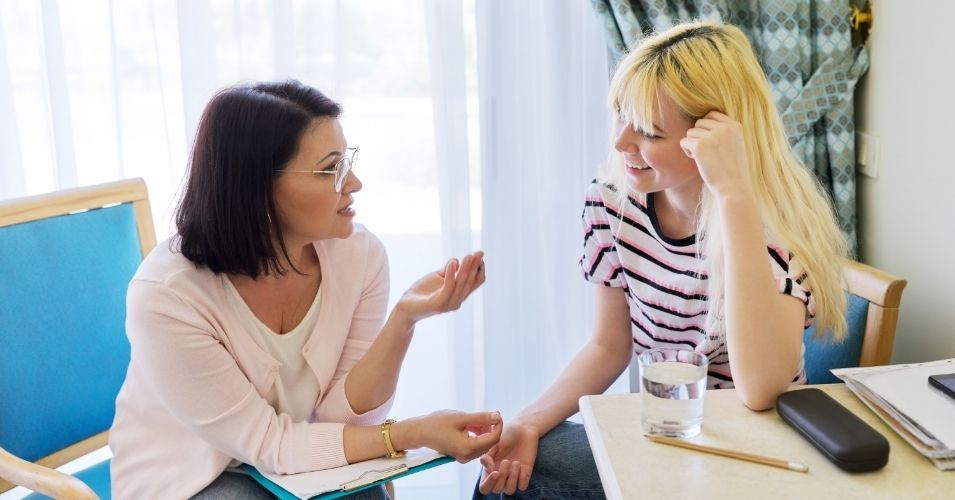
Many believe being a role model means never making mistakes. But the most inspiring people are not perfect. They show how to handle life’s challenges with grace and honesty.
Being a role model is about being real, steady, and kind. Your actions, growth, and character teach far more than perfection ever could.
This article will show how authenticity and consistency can make you a lasting positive influence without the pressure to be flawless.
Set an Example Through Your Everyday Choices
Being a role model is not about grand speeches or heroic actions. It is built one small decision at a time, in the ordinary moments of daily life. The people around you pay attention to how you live when no one is watching closely. Over time, your everyday choices create a picture of who you are and what you stand for.
Simple decisions carry great weight. How you speak to others when you are frustrated shows patience. How you handle unexpected challenges shows resilience. How you stay honest even when it would be easy to cut corners shows integrity. These quiet examples teach more than any lecture ever could.
Children, friends, and even strangers often notice details you may not think matter. They see whether you hold the door open for someone, say thank you, or offer a kind word to a stranger. They observe whether you admit when you are wrong, keep your promises, and speak with respect. Each of these moments plants a small seed that can grow into a lasting impression.
You do not have to live a perfect life to be a role model. In fact, trying too hard to appear perfect can feel distant and unrelatable. People are often inspired by those who stay true to their values even in small, simple ways. They are drawn to authenticity, not perfection.
The everyday choices you make also shape your relationships. People trust those who are consistent in how they live. Over time, your steady example becomes a quiet kind of leadership that others naturally follow. They learn not by being told what to do but by watching how you live.
In the end, setting an example through your everyday choices builds a strong, lasting kind of influence. Without trying to impress anyone, you show others how to live with character, one small moment at a time.
Show Others How to Learn from Mistakes
Many people think that role models should avoid mistakes. But mistakes are not the problem. The real lesson lies in how you respond when things go wrong. By openly acknowledging your missteps and learning from them, you show others how to handle failure with grace and maturity.
Everyone makes mistakes. That is simply part of being human. What sets a true role model apart is their willingness to take responsibility, reflect honestly, and make changes where needed. When you admit a mistake instead of hiding it or blaming others, you demonstrate courage and honesty. You show that it is okay to be imperfect as long as you are willing to grow.
Learning from mistakes also teaches valuable problem-solving skills. When others see you calmly assess what went wrong, consider what you could have done differently, and make a plan to do better next time, they gain confidence to do the same. You model a healthy response to failure instead of fear or shame.
Sharing your experiences with mistakes can be especially powerful for younger people. When children or younger family members see that you are not perfect but continue to learn and improve, they feel less pressure to be flawless themselves. They understand that growth is a lifelong process, not something that ends once you reach a certain age.
Mistakes also provide a chance to practice empathy. When you recognize your own shortcomings, you often become more patient and understanding toward others when they stumble. This creates a compassionate example that encourages those around you to treat themselves and others with greater kindness.
By showing others how to learn from mistakes, you give them permission to face challenges bravely. You remind them that mistakes do not define a person. Instead, it is how we respond to them that truly shapes who we become.
Be Honest About Struggles and Growth
When people only see the highlights of someone’s life, they often believe that person has always had it easy. But the truth is, every person faces struggles, setbacks, and seasons of uncertainty. Being honest about your struggles and growth allows others to see the full story, not just the polished version.
Honesty about your challenges does not mean you have to share every detail with everyone. But when you speak openly about times when you felt afraid, uncertain, or discouraged, you give others permission to face their own struggles with less shame. You show that growth often comes through difficult moments, not just smooth paths.
This kind of honesty builds deep trust. People feel comforted knowing they are not alone in their struggles. When they see someone they respect acknowledging imperfections, they realize it is normal to stumble and still move forward. Your honesty creates a safe space where others can be real about their own difficulties.
Sharing your growth also teaches valuable lessons about perseverance. When you explain how you worked through challenges, what helped you improve, and what you learned along the way, you offer a roadmap that others can follow. You show that success is not always about natural talent or luck, but about staying steady, learning from mistakes, and continuing to move forward.
This kind of honesty can also deepen your relationships. People connect more deeply with those who are willing to be vulnerable. Pretending to have it all together creates distance. Being open about your struggles brings people closer because they see you as someone who understands what they are going through.
In the end, honesty about struggles and growth creates a richer, more relatable kind of role model. You show that strength is not found in never falling, but in rising each time you do.
Practice Consistency So People Know What to Expect
One of the most powerful qualities a role model can have is consistency. When people know what to expect from you, they feel safe, respected, and valued. Consistency builds trust, and trust is the foundation for lasting influence.
Consistency means showing up the same way no matter who is watching. It means treating people with the same kindness whether they are friends, strangers, or even those who may not always treat you well. It means keeping your promises, honoring your commitments, and living your values every day, not just when it is easy or convenient.
This steady behavior sends a clear message about who you are and what you stand for. Over time, people come to rely on you because they know they can trust your words and your actions. Your consistency becomes a quiet kind of leadership that gives others confidence in their interactions with you.
Consistency also helps people feel secure in their relationships with you. When children know they can count on your support, even when they make mistakes, they feel safer to take risks and grow. When friends know you will be there during both good times and hard times, your relationships deepen. This steady presence reassures people that you are not swayed by mood, circumstance, or popularity.
Even small daily habits reflect consistency. A steady tone of voice, reliable routines, and thoughtful reactions create an atmosphere of stability that others draw strength from. They learn that living with integrity is not about big dramatic moments but about countless small, steady choices made over time.
By practicing consistency, you become a role model who offers both guidance and comfort. People are drawn to your steadiness because it creates an environment where growth, trust, and honest connection can flourish.
Let Your Kindness Speak Louder Than Your Achievements
In a world where accomplishments often receive the most attention, it is easy to believe that being a role model means collecting awards, titles, or impressive milestones. But long after those achievements fade from memory, people often remember how you made them feel. Your kindness leaves a deeper and longer-lasting impression than any trophy ever could.
Kindness shows up in small, everyday moments. It can be a gentle word to someone who feels invisible, a patient ear for a friend who needs to talk, or a simple act of help offered without being asked. These gestures may feel small in the moment, but they create waves that continue to ripple through the lives you touch.
When people look to you as a role model, they watch how you treat others. They notice if you show respect to everyone, not just those who can offer you something in return. They see how you react when someone makes a mistake or struggles. Your compassion teaches them to respond to others with the same level of care.
Kindness also breaks down barriers. It creates trust and makes people feel safe to be themselves around you. When you are kind, people see you as approachable and human. They know they can turn to you for support, not because you have all the answers, but because you offer genuine care.
Achievements can inspire people to aim high, but kindness teaches them how to walk that path with integrity. It shows them that success is not just about what you accomplish, but about who you become along the way.
When your kindness speaks louder than your achievements, you leave a legacy that continues to grow long after you are gone. People will remember not just what you did, but how you made the world around you better through simple, steady acts of goodness.
Final Thoughts
Being a role model does not require perfection. It asks for honesty, consistency, patience, and a steady commitment to living your values.
Through your everyday choices, your honesty about struggles, your reliable presence, and your kindness, you offer others a powerful example they can carry forward.
In the end, it is not about being flawless. It is about being real. And that kind of role model leaves a lasting mark on every life you touch.