
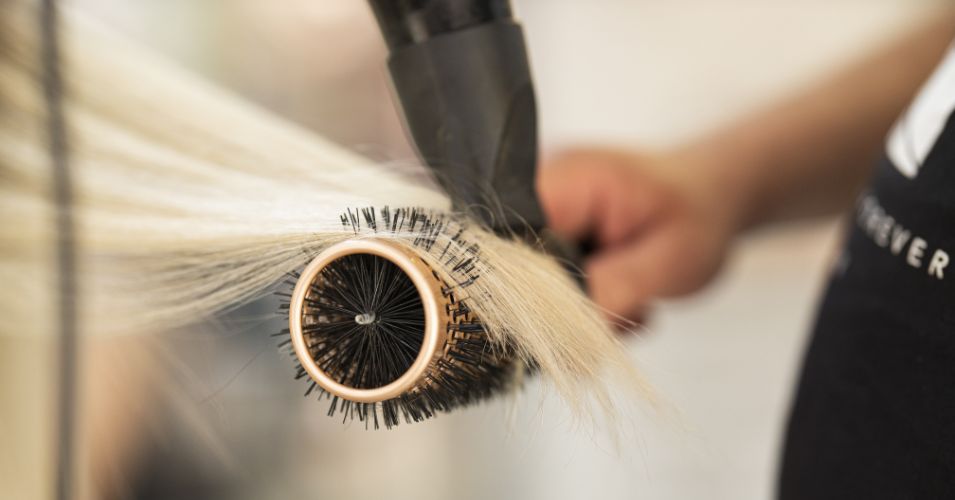
For many hairdressers, their work was never just a job. It was a form of art, conversation, and human connection. Retirement, then, can feel like losing a piece of identity. The buzzing of clippers, the laughter of clients, and the rhythm of the salon fade away, leaving a quiet space that can feel both peaceful and lonely.
The adjustment is rarely easy. Beyond missing the work itself, retired hairdressers often struggle with purpose, self-worth, and belonging.
Yet with time and intention, this new season can become just as meaningful as the years spent behind the chair.
When the Salon Goes Silent
For many hairdressers, the salon is more than just a workplace. It is a lively space filled with laughter, chatter, and the comforting buzz of dryers and clippers. Every day brings familiar faces and fresh conversations that make the hours feel warm and full. When retirement comes, that background noise of connection suddenly disappears, and what is left can feel painfully quiet.
This silence is one of the hardest adjustments for retired stylists. The sudden stillness in the mornings, the absence of clients to greet, and the missing rhythm of appointments can leave a void that is both emotional and physical.
Some retirees find that they miss even the small, ordinary moments, like offering someone a cup of coffee or listening to a story while cutting hair. Those simple interactions once gave a sense of belonging that is hard to replace.
The truth is, many stylists never realized how much of their identity was built around those daily exchanges. When that part of life ends, it can feel as if a piece of themselves has gone missing. The social nature of hairdressing creates deep bonds, not just with coworkers but with clients who become friends. Losing that daily human connection can lead to loneliness and even sadness if not addressed.
The best way to ease this struggle is to create new routines that bring connection back into your days. Joining community groups, volunteering, or taking part in local clubs can provide opportunities to meet new people.
Some retired hairdressers find joy in mentoring young stylists at beauty schools or offering free haircuts to those in need. It brings back that feeling of purpose and community that was once part of the salon.
Staying connected with old clients can also help. Hosting a small reunion or simply keeping in touch through social media can keep those bonds alive.
It reminds you that the relationships you built were real and lasting, even outside the salon walls. The silence of retirement may feel heavy at first, but by reaching out and finding new ways to engage, the quiet can begin to feel peaceful instead of empty.
Losing a Sense of Purpose Once the Scissors Are Set Down
For years, being a hairdresser gave structure and meaning to each day. You had clients depending on you, a schedule to keep, and a clear reason to get up in the morning. When that structure disappears, it can feel like you have lost not only your routine but also your reason for being needed. This loss of purpose is something many retired stylists quietly struggle with.
A career in hairdressing is about more than skill. It is about helping people feel beautiful, confident, and cared for. You see transformations not just on the outside but in the way people carry themselves when they leave your chair.
When that daily purpose ends, it can leave an emotional gap that is difficult to fill. Some retirees describe feeling invisible, like their talents and contributions no longer matter.
It is important to remember that your purpose did not end when you retired. It simply shifted. The same creativity, care, and warmth that once guided your work can now shape your new season of life.
You might find meaning in sharing your knowledge through teaching, writing, or volunteering. There are always people who can benefit from your experience, whether it is mentoring a young stylist, teaching beauty basics at a community center, or offering your expertise to a charity event.
Reconnecting with your sense of purpose also means nurturing your personal passions. Many stylists are naturally creative and enjoy expressing themselves through art, gardening, or design.
Exploring these interests can reignite the spark that made you love your career in the first place. Retirement is not the end of your story. It is an opportunity to create a new one that still reflects who you are at heart.
It might take time to adjust, but rediscovering your purpose can bring a new kind of fulfillment. You are still someone who brings light and beauty into the world, just in different ways now. The scissors may rest, but your hands, heart, and spirit still have so much to give.
Physical Strain That Lingers Long After Retirement
Hairdressing is often seen as a glamorous and creative profession, but behind the smiles and perfect cuts lies years of physical strain. Standing on your feet for hours, bending at awkward angles, and using your hands in repetitive motions can take a serious toll on the body over time.
When retirement finally arrives, many stylists find that their bodies carry reminders of every haircut, every color, and every long day spent behind the chair.
For some retired hairdressers, back and shoulder pain become constant companions. The years of leaning forward and working with raised arms often result in stiffness that doesn’t go away even after stepping away from the salon.
Others deal with wrist and hand discomfort caused by years of gripping scissors and brushes. While the pace of life slows down in retirement, the aches sometimes seem to grow stronger because the body is no longer distracted by daily work.
These lingering physical issues can be frustrating, especially when you finally have the time to enjoy life, but your body feels worn out. Many former stylists struggle to find comfort in simple things like cooking, gardening, or traveling because their joints and muscles ache. It can feel unfair that after a lifetime of serving others, your own body is the one that now needs care.
However, there are ways to bring relief and healing. Gentle activities such as yoga, swimming, or walking can help improve flexibility and circulation.
Stretching regularly and focusing on posture can also make a big difference over time. Some retirees find that physical therapy gives them new ways to manage long-term pain while helping them strengthen weakened muscles.
Self-care also becomes more important than ever. Regular massages, warm baths, and relaxation techniques can ease tension that built up over years of work. It is equally valuable to listen to your body and allow rest without guilt. The career that once required constant motion can now be balanced with slower, restorative habits that bring comfort and renewal.
You gave your strength to others for decades, helping them feel beautiful and confident. Now, it is your turn to care for your own well-being. Healing takes time, but each small act of self-kindness helps rebuild the energy and peace that long hours once took away.
The Financial Pressures Few Talk About
When people picture retirement, they often imagine peaceful days and financial stability. But for many retired hairdressers, the reality is far more complicated.
The beauty industry has long been built on independent work, meaning many stylists spend their careers as freelancers or salon renters without the benefits of traditional retirement plans. When the time comes to stop working, the financial challenges can be overwhelming.
Without steady pensions or employer-sponsored savings, many hairdressers rely on personal savings, family support, or social security. The unpredictable nature of salon income often makes it difficult to plan ahead.
During busy seasons, the earnings might be strong, but during slow months or unexpected closures, money becomes tight. This pattern makes it hard to set aside consistent funds for the future, leaving some stylists entering retirement with worry instead of comfort.
The financial strain does not end once the scissors are put away. Some retirees continue to take occasional clients at home or offer part-time services just to make ends meet.
While this can bring a sense of purpose, it also reveals how difficult it can be to fully retire from a career that never guaranteed long-term financial security. Bills, healthcare costs, and inflation add new layers of stress that are rarely discussed but deeply felt.
Facing these financial pressures requires courage and creativity. Seeking advice from a financial counselor can be a helpful step in creating a budget that fits your new lifestyle.
Exploring senior discounts, local benefits, and community support programs can ease some of the weight. Many retired hairdressers also discover new ways to earn through teaching workshops, offering beauty consultations, or selling their favorite products online.
It is also important to find emotional balance while managing money concerns. Financial pressure can affect self-esteem, especially for those who once took pride in independence. Remind yourself that your career gave you more than income; it gave you resilience, adaptability, and a strong work ethic. Those same qualities can help you navigate this new phase of life.
Retirement may not come with perfect financial peace, but with careful planning and a willingness to seek help, it is possible to find stability. You have spent a lifetime making others feel good about themselves. Now, it is time to bring that same care to your own financial and emotional well-being.
Struggling to Feel Relevant in a Changing World
The beauty industry has transformed dramatically in recent years. With the rise of social media tutorials, online booking systems, and digital marketing, today’s hairstylists operate in a world very different from the one many retirees remember. For those who spent decades perfecting their craft through hands-on experience and personal relationships, this fast-paced digital shift can leave them feeling left behind.
It is not easy to watch an industry you love evolve beyond what you once knew. Retired hairdressers often feel disconnected when they see younger stylists showcasing their work online or using tools that didn’t exist before.
The trends move faster now, and the focus has shifted toward followers and engagement instead of loyalty and word of mouth. This can make seasoned professionals feel like their experience and wisdom no longer matter.
These feelings are not only about technology. They stem from the sense that the world has moved on without you. The salon that was once your second home might now be filled with unfamiliar faces, new rules, and a completely different atmosphere. The conversations, the styles, and even the music have changed. It can feel like you’ve stepped out of one life and into a new world that speaks a different language.
But relevance is not about keeping up with every new trend. It is about continuing to value who you are and what you have contributed. The world still needs the skills, warmth, and intuition that experienced hairdressers bring.
While you may no longer stand behind the chair, you can still share your gifts in meaningful ways. Mentoring new stylists, offering workshops, or even starting a small online page to share beauty advice with your own generation can reconnect you with the community in a fresh way.
It helps to embrace curiosity rather than comparison. Learn at your own pace, explore new tools if they interest you, and remember that relevance comes from staying open to growth.
The industry may have changed, but your impact remains. You built confidence, connection, and creativity into people’s lives for years. That legacy does not fade. It continues to matter, even in a changing world.
Final Thoughts
Retirement for a hairdresser is a journey that blends pride, nostalgia, and unexpected challenges. The silence of the salon, the loss of purpose, the aches in your body, and the worries about money can all weigh heavily. Yet within each of these struggles lies an opportunity for rediscovery.
You may no longer shape hair every day, but you still shape lives through kindness, wisdom, and care. The years you spent behind the chair gave you patience, understanding, and creativity that continue to serve you in new ways.
This next chapter is not about fading away. It is about finding beauty again in slower moments, new friendships, and deeper meaning. The tools may be set down, but your story remains one of grace, strength, and timeless purpose.