
Life moves quickly and can feel loud and overwhelming. When your mind feels crowded and your thoughts tangled, it becomes hard to hear what you truly feel.
That is where solitude becomes powerful. It is not about loneliness but about stepping away for a moment to hear yourself. In quiet spaces, without distractions, clarity can rise.
This article will show how time alone can bring peace, focus, and a fresh way to see what matters most.
Solitude Is Not the Same as Loneliness
Some people hear the word “solitude” and instantly think of loneliness. They imagine someone sitting by themselves, feeling sad and unwanted. But solitude and loneliness are not the same. In fact, they can feel completely different, even if they look similar on the outside.
Loneliness is when you feel alone and wish you weren’t. It’s a heavy feeling, often filled with sadness or emptiness. It happens when you need connection but don’t have it. You might be surrounded by people and still feel lonely.
Solitude, on the other hand, is when you choose to be alone. It’s quiet time that you give to yourself on purpose. You’re not avoiding others. You’re simply making space for yourself. Solitude can feel peaceful, refreshing, and even powerful.
Think about the difference between being stuck in an empty room and stepping outside for a breath of fresh air. Both situations involve being alone, but the feelings are completely different. One drains you. The other fills you up.
Solitude is a chance to slow down. It’s time away from the expectations and opinions of others. You don’t have to explain yourself. You don’t have to keep up with anyone. You just get to be who you are, in your own company, at your own pace.
Some of the best ideas, most honest thoughts, and deepest moments of peace happen when you are alone. That space allows you to recharge, reset, and reconnect with your true self.
So if you’ve ever avoided being alone because you feared feeling lonely, try looking at solitude in a new way. It’s not a sign that something’s wrong. It’s often a sign that you’re giving yourself what you need.
Why Your Mind Gets Clearer When the Noise Fades
Our world is filled with noise. There’s the obvious kind: traffic, conversations, music, and alerts pinging from your phone. Then there’s the silent kind: constant thoughts, to-do lists, worries, and comparisons. All of this noise can make it hard to hear your own thoughts clearly.
When you’re surrounded by activity, your brain is always reacting. You’re trying to keep up, figure out how to respond, or make sure you’re not missing something important. That constant buzz can leave you feeling overwhelmed or scattered. You might not even notice how loud it’s gotten until you finally step away from it.
That’s where solitude comes in.
When you take a break from the noise, your mind starts to breathe. Thoughts that were hidden under stress or distraction start to rise. Feelings that you’ve been ignoring come into focus. You may realize what’s been bothering you, what you actually want, or what matters most right now.
Without the outside noise, your inner voice has room to speak.
This kind of clarity doesn’t always show up right away. Sometimes, it takes sitting in the quiet for a little while. At first, it might feel uncomfortable. You may notice how fast your thoughts are jumping or how busy your mind really is. But if you stay with the stillness, it begins to slow down.
Soon, your thoughts become clearer. Your decisions feel easier. You start to feel more grounded.
This is why solitude is so powerful. It doesn’t magically solve every problem, but it helps you hear your own answers. It helps you feel steady when the world around you is moving too fast.
The quiet may seem empty at first, but with time, it reveals exactly what you’ve been needing to hear.
Small Ways to Practice Solitude Every Day
You don’t need to go off into the mountains or take a long trip to experience solitude. You can find it in simple moments during your daily life. These quiet breaks don’t have to be big or dramatic. Even a few minutes can make a difference if you use them with care.
Start by finding little pockets of alone time that already exist. It could be the few minutes before you leave for school or work. It might be your walk home, the time you spend in the shower, or the quiet space before bed. Instead of filling those moments with music, texts, or scrolling through your phone, try sitting with the stillness.
You can also create small rituals. Try making tea or coffee and just sitting with it. No distractions, no multitasking. Go for a walk without headphones. Listen to the sound of your steps, the wind, or the birds. Let your mind wander without pressure.
Another great way to practice solitude is journaling. Writing down your thoughts, even just a few lines, helps you slow down and check in with yourself. You don’t have to write anything perfect. Just be honest. It’s not about creating something polished. It’s about paying attention to what’s going on inside you.
Solitude can even happen in a busy place. You might sit in a park, library, or coffee shop and just be still with your thoughts. You’re not shutting out the world. You’re simply giving yourself a moment to step back from it.
The more you practice solitude in small ways, the more comfortable it becomes. You start to enjoy your own company. You begin to look forward to those quiet breaks. And slowly, they become a steady part of your life.
What You Learn About Yourself in the Quiet
Solitude doesn’t just give you time. It gives you insight. When the noise fades and the world quiets down, you start to hear parts of yourself that are easy to miss during busy days. In the quiet, you begin to notice your true thoughts and feelings. Not the ones shaped by others, but the ones that come from deep inside.
You might learn what truly excites you. When no one else is around, what do you find yourself thinking about? What dreams return over and over? These are clues to what really matters to you, even if you’ve never said them out loud.
You might also notice what drains your energy. Maybe you realize that certain people, habits, or environments leave you feeling tired or frustrated. Solitude gives you the space to admit these things without judgment. And once you see them clearly, you can start to make better choices.
Sometimes the quiet brings up difficult emotions, too. Things you’ve been avoiding or pushing down might surface. That’s not a bad thing. It’s your mind’s way of saying, “This needs attention.” Being alone with these feelings allows you to face them gently and begin to understand them, instead of just running from them.
You also start to see your own patterns. How you talk to yourself. How you react to stress. What you believe about your worth. Solitude helps you notice these things without distraction, and from there, you can start to shift them in a more kind and honest direction.
The quiet is not empty. It is full of messages from within. When you take the time to listen, you begin to know yourself in a deeper way. And that kind of self-knowledge can change how you live, love, and move through the world.
Letting Stillness Lead You Toward the Answers
Sometimes we search for answers by doing more. We rush through tasks, ask everyone for advice, and try to figure everything out as fast as we can. But the more we push, the harder it becomes to hear what’s true. That’s why stillness matters. It’s in the pause, not the push, that the answers often start to appear.
Stillness gives you space. It removes the pressure of doing and invites you to simply be. In that space, your mind has room to wander, reflect, and connect ideas you didn’t even know were waiting. When you sit quietly and let your thoughts unfold, new perspectives can rise that weren’t clear before.
You might realize something that felt confusing now makes sense. You might hear your own voice more clearly, beneath the noise of expectations and distractions. This kind of clarity doesn’t always shout. Sometimes it shows up as a quiet knowing. A gentle pull in a new direction. A calm sense of “this feels right.”
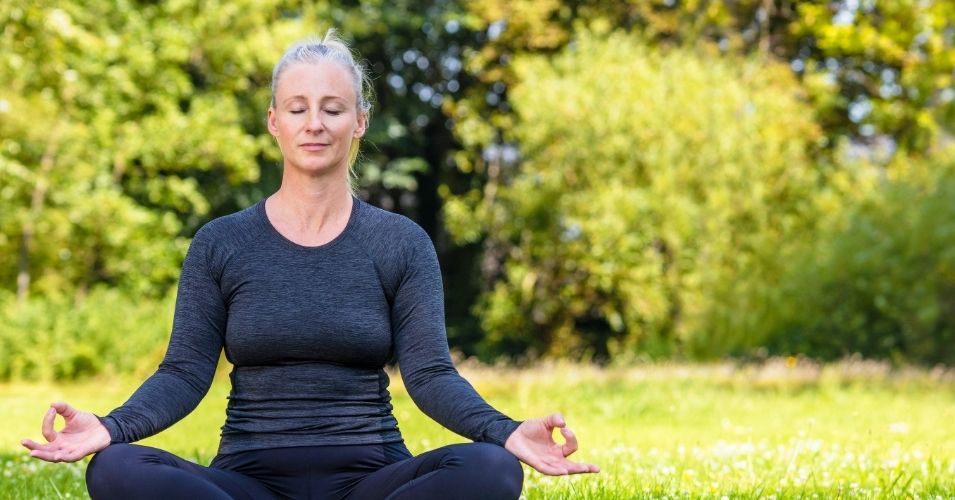
Stillness doesn’t mean doing nothing. It means giving yourself a break from constant reaction. It’s choosing to be present with your thoughts instead of racing past them. You can find stillness in meditation, journaling, walking alone, or simply sitting in silence with your eyes closed.
The key is to stop searching for the answer like it’s a puzzle to solve. Instead, allow it to come forward when it’s ready. The more you practice stillness, the more natural it becomes to trust your inner wisdom.
You already have a lot of what you need inside you. Stillness just helps you see it.
Final Thoughts
Solitude is not a weakness or a problem to fix. It’s a gift. A quiet space where your mind can rest and your heart can speak. In a world that is always moving and talking, choosing stillness is an act of strength.
The more time you spend alone in thoughtful ways, the more clearly you begin to see your path. You discover what matters to you, what makes you feel alive, and what kind of life you want to build.
You don’t have to escape the world forever. Just give yourself a few quiet moments. Let them guide you back to yourself.
In that silence, you’ll often find the clarity you’ve been looking for all along.