
Many grandparents notice subtle changes in how their grandkids act at their home long before anyone says a word. Those quiet signals can reveal more than you think about their comfort and ease.
A home should feel like a safe and peaceful place for children, yet sometimes small shifts in behavior show that something feels off for them.
Understanding these signs does not place blame but instead helps you create a warmer and more welcoming space where they can relax, open up, and want to return again.
Their Body Language Changes in Subtle Ways
When grandkids start feeling uneasy in your home, their bodies often reveal the truth long before they find the words to express it, and these clues become clearer when you slow down and look at the way their posture and movements begin to shift.
Children naturally show comfort through relaxed gestures, open expressions, and easy movements, but when they sense something unfamiliar or tense, their instincts can cause them to pull inward without even realizing it.
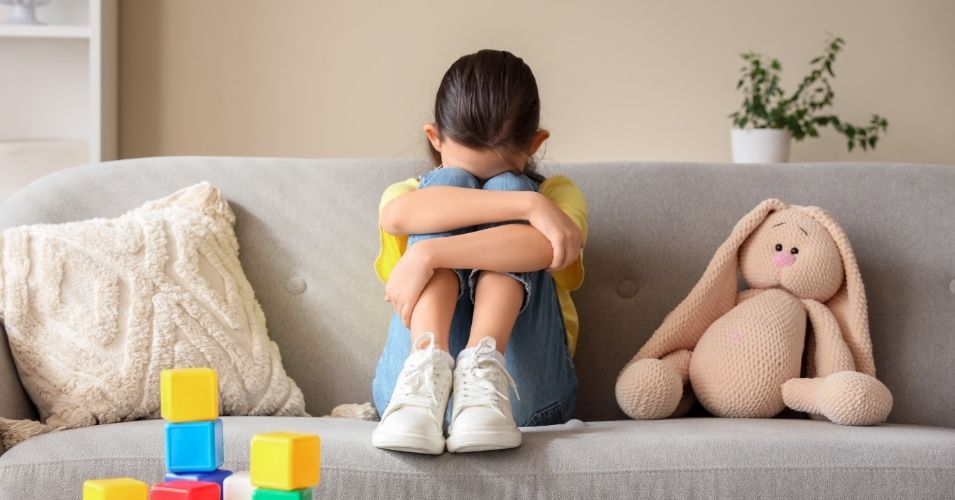
You might see them sit with their shoulders slightly raised or pulled inward as if they are trying to make themselves smaller, and this quiet change often hints that their mind is not fully at ease. Some children cross their arms more than usual or hold their hands together tightly, and these actions can be signs that they feel unsure or hesitant.
Other hints appear in how they move around the room, because a child who once wandered freely might now stay close to a parent or hover near the doorway as if they are not ready to settle into the space.
They may keep their eyes down when you talk to them or glance quickly around the room instead of engaging comfortably.
Even their expressions can shift in ways that tell you something important. A child who used to smile freely might now offer polite smiles that fade quickly, and this change can show that they are trying to be respectful while still managing discomfort. They may answer questions with short phrases or avoid starting conversations on their own.
These signals are not a reflection of your worth as a grandparent. They simply show that something in the environment feels unfamiliar or tense for them, and your gentle awareness can help them relax again.
Offering warmth, patience, and reassurance creates room for them to soften their posture and rediscover the comfort they once felt in your presence.
Small shifts in body language often speak louder than words, and noticing them with compassion helps you strengthen your bond while giving your grandkids a sense of safety that will stay with them long after they leave your home.
They Avoid Certain Rooms or Areas of the House
When kids begin avoiding particular rooms in your home, their choices often reveal feelings they cannot clearly explain, and these quiet patterns can tell you a great deal about how they truly experience the space around them.
Children react strongly to the way a room feels, and even small differences in lighting, noise, or layout can change how comfortable or uneasy they become.
You might notice that they walk faster past a certain hallway or hesitate before entering a room that once felt ordinary, and this shift in behavior can signal that something inside that space makes them feel unsure.
They may choose to stay near the living room or kitchen instead of roaming the house freely like they once did.
Some children avoid areas that feel too quiet, too dark, or too formal, and these reactions can be especially strong if they remember being corrected or feeling overwhelmed in those places. They may stand in the doorway of a room without stepping in or wait to see where others go before deciding where to settle.
Other times, a child avoids a room because they feel like they cannot touch anything without worrying about breaking something, and this can make a space feel stressful instead of welcoming. Even items that seem simple to adults, like fragile decorations or tightly arranged furniture, can make a child feel nervous.
Their avoidance is not always dramatic. It might show up as a lack of interest in a playroom they once loved or a sudden preference for staying close to you rather than exploring. These changes can be subtle but revealing.
Noticing these patterns gives you the chance to make small and thoughtful adjustments that help them feel more at ease. Adding softer lighting, clearing a cluttered space, or placing familiar toys in a room can turn it into a place they feel safe and happy to enjoy.
Your attention to their comfort shows them that their feelings matter, and with time, those avoided rooms can become warm and welcoming spaces where they feel free to play, relax, and enjoy being in your home again.
Conversations Become Shorter and Less Relaxed
When grandkids start feeling uncomfortable in your home, one of the first changes you might notice is how their conversations begin to shrink, and these shifts in communication often reflect deeper feelings they are not ready or able to express.
Children show comfort through the way they chat freely, share stories, and open up about their day, but when that comfort fades, their words tend to become shorter and more cautious.
They may respond with simple phrases instead of full thoughts, and the easy flow that once filled the room may begin to fade. Instead of giving details or asking questions, they might nod politely or offer quick replies that end the conversation before it has a chance to grow.
This kind of change often appears gradually, yet it can leave moments feeling strangely quiet or disconnected.
Sometimes kids become quieter because they are unsure of how their words will be received or because they feel the environment is too formal or strict. They may worry about saying the wrong thing or feel nervous about being corrected. This can cause them to stay silent even when they have things they might want to share.
You might also notice that conversations feel rushed. They may look away while they talk, keep their eyes on their hands, or appear distracted even when they are trying to listen. These small behaviors often show that their mind is not fully settled, making it harder for them to relax into deeper or more meaningful conversations.
This does not mean they do not want to connect. It often means they need more time, reassurance, or a more comfortable environment to express themselves openly. Warmth, gentleness, and patience can help rebuild that sense of ease.
Asking open and simple questions, showing enthusiasm for their interests, and avoiding pressure to talk can create a safer space for them to open up again.
When kids feel truly welcome, their words begin to flow naturally. Over time, the long conversations you miss can return, and the home can once again feel like a place where they speak freely and enjoy being heard.
They Cling to Devices or Distractions During Visits
When children begin to cling tightly to devices or distractions during visits, it often signals that they are looking for comfort or escape in something familiar, because their surroundings do not feel entirely safe or easy for them.
Kids naturally turn to screens or toys when they feel unsure, and these behaviors can tell you a great deal about their comfort level in your home.
You may notice that they reach for a tablet or phone as soon as they walk through the door, and instead of exploring the room or joining in conversation, they settle into their screens with a sense of urgency. They might keep a device in their hands even when they are not fully using it, almost as if it serves as a shield between them and the environment.
Sometimes this behavior shows that they are bored or unsure of what to do, especially if there are few activities, toys, or spaces designed for them. Other times it reveals that they feel nervous or overwhelmed and need something predictable to focus on. A device provides a sense of control that the surrounding space may not offer.
You might also see them use distractions during conversations by looking down, fidgeting with objects, or focusing on something across the room instead of engaging.
These subtle habits can show that they do not feel settled enough to be fully present. They may also worry about making mistakes, breaking something, or being corrected, and a distraction helps them feel protected in those moments.
This does not mean you must remove devices completely. It means their reliance on them is a sign that something in the environment may feel uncomfortable.
Offering gentle alternatives can help, such as setting out simple activities, sharing a snack together, or inviting them to do something they enjoy. When they feel welcomed and relaxed, they naturally shift their attention away from screens and toward the people around them.
With time and patience, they can feel safe enough to let go of those distractions. Once that sense of ease returns, visits become more meaningful, and your time together becomes warmer and more connected.
Visits Feel Rushed or Less Frequent
When grandkids become uncomfortable in your home, one of the clearest signs is when visits begin to feel shorter, quicker, or less relaxed, and this subtle shift often reveals more than they are able to say out loud.
A child who once settled in easily may now appear eager to leave, and their time in your home may feel hurried in a way that was not present before. These changes can be quiet but powerful signals that something about the environment does not feel completely safe or enjoyable to them.
You might notice that they check the clock more often or ask repeatedly when it will be time to go, and these actions can show that they are counting down the minutes until the visit ends.
They may also stay close to the door or seem more focused on what they will do afterward rather than enjoying the moment they are in. This behavior can feel discouraging, yet it often reflects discomfort rather than a lack of love.
Sometimes the rush comes from emotional tension. If a child feels worried about rules, noise levels, or the possibility of being corrected, they may prefer to keep the visit short so they can avoid those situations.
They may also feel uneasy if they sense conflict between adults or remember a previous moment when they felt embarrassed or unsure. These memories influence how long they want to stay.
You might also notice that the visits become less frequent over time. They may have excuses, scheduling conflicts, or sudden changes in availability, and while these reasons may seem harmless on the surface, they can add up to a pattern that signals underlying discomfort.
Kids rarely explain these feelings directly, so their behavior becomes the clearest way to understand what is happening inside them.
Responding with patience and understanding can make a meaningful difference. When you create a calm environment, offer gentle conversations, and show interest in their world, you help rebuild the comfort they need. As their sense of ease grows, visits naturally lengthen again, and the home becomes a place where they want to stay, explore, and enjoy time together without feeling rushed.
Final Thoughts
When grandkids show signs of discomfort, it is rarely a reflection of your love or your effort, but rather a signal that something in the environment feels unfamiliar or overwhelming to them.
Small adjustments in warmth, communication, and space can help rebuild the sense of safety they need. Paying attention to these quiet signals allows you to respond with compassion instead of worry, and over time your home can feel welcoming again.
The most important thing is that they know they matter, and when they sense your patience and care, they naturally open up, relax, and return to the closeness you cherish.