
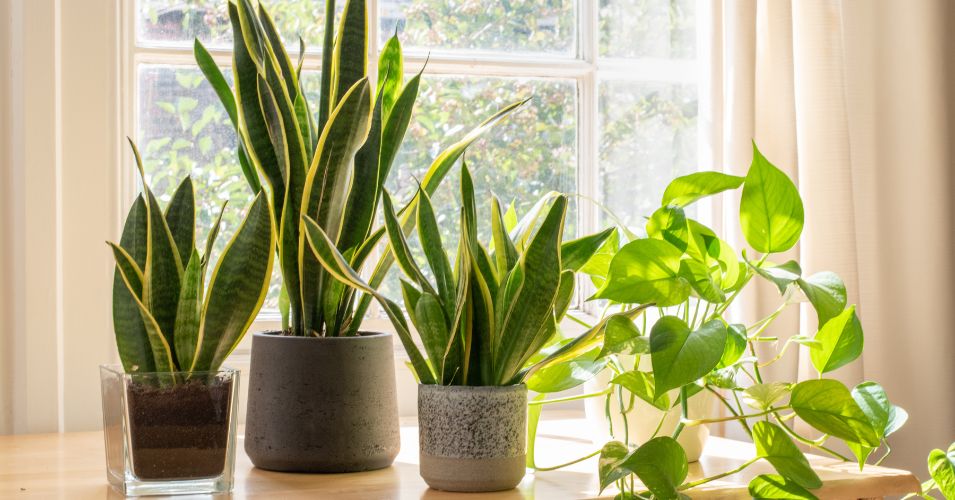
Snake plants are about as easy as houseplants get, which is one reason they have become so popular. They tolerate missed waterings, grow well in many homes, and rarely ask for much attention.
Even so, they cannot live forever on the nutrients that came in their potting soil. After months or years, those nutrients begin to run out. That is when the right fertilizer can make a real difference.
Whether you prefer natural products, homemade solutions, or a synthetic fertilizer, knowing when and how to feed your snake plant will help it stay healthy without risking the problems that come from overfeeding.
Do Snake Plants Really Need Fertilizer?
One of the biggest reasons snake plants are so popular is that they ask for very little.
They can survive in low light, tolerate missed waterings, and still look good for years. Because they are so low maintenance, many owners never fertilize them at all. In many cases, the plant does just fine.
That said, surviving and growing well are not the same thing.
A snake plant kept in the same pot for several years slowly uses the nutrients that were mixed into the potting soil. Unlike plants growing outdoors, it cannot send roots farther in search of fresh nutrients. Once the soil is depleted, the plant has to rely on whatever you provide.
The good news is that snake plants do not need much. They are naturally slow growers, especially indoors. Even during spring and summer, you may only notice a few new leaves. Because growth is gradual, heavy feeding does more harm than good.
For most homes, fertilizing once every four to eight weeks during spring and summer is plenty. If your snake plant sits in bright, indirect light and is actively producing new leaves, it will make good use of those extra nutrients. If it spends most of the year in a darker corner, it may only need one or two light feedings for the entire growing season.
Fresh potting mix also makes a difference. If you recently repotted your snake plant, the new soil probably contains enough nutrients for several months. There is little benefit in adding fertilizer right away.
Think of fertilizer as a small boost rather than a necessity. It helps the plant stay healthy, supports stronger root growth, and can encourage fuller foliage. The key is knowing when to feed and when to leave the plant alone.
With snake plants, a light touch almost always works better than trying to speed up growth.
The Best Natural Fertilizers for Snake Plants
Natural fertilizers are a great match for snake plants because they release nutrients slowly. Instead of flooding the soil with a large dose all at once, they feed the plant little by little.
That steady supply fits the slow-growing nature of snake plants and makes it much easier to avoid overfeeding.
Worm castings are one of the easiest choices for beginners. They are rich in organic matter, contain small amounts of important nutrients, and help support healthy soil. You only need a thin layer spread over the surface of the pot or mixed lightly into the top of the soil. Each time you water, a little of that nutrition reaches the roots.
Compost can also be useful, but it works best when you are repotting. Mixing a small amount into fresh potting soil adds organic matter and nutrients without making the mix too rich. The important word is “small.” Snake plants prefer loose, fast-draining soil, so too much compost can hold extra moisture around the roots.
Liquid seaweed is another natural option that many indoor gardeners like. It contains trace minerals and is simple to apply because it is mixed with water before use. A diluted feeding every month or so during the growing season is usually enough.
Fish emulsion is another effective fertilizer, especially for plants that have not been fed in a long time. It supplies nitrogen along with other nutrients that support healthy leaf growth. The downside is the smell, which can linger indoors for a day or two. Many people save it for outdoor plants or only use it in well-ventilated rooms.
No matter which natural fertilizer you choose, remember that snake plants are not heavy feeders. A small amount applied at the right time is usually all they need.
Feeding lightly and consistently produces healthier results than giving large doses in hopes of faster growth. This slower approach keeps the roots healthy and helps the plant stay strong for years.
Homemade Fertilizers That Are Safe to Use on Snake Plants
If you enjoy gardening, you have probably come across plenty of homemade fertilizer ideas. Some are genuinely useful, while others have become popular simply because they spread quickly online.
With snake plants, it pays to be selective. They need so little fertilizer that even a good homemade option should be used sparingly.
Compost tea is one of the better choices. It is made by soaking finished compost in water, creating a mild liquid that contains nutrients and beneficial microbes. Used every month or so during the growing season, it can give a snake plant a gentle boost without the risk of heavy feeding.
Water left over from boiling vegetables is another option, as long as it has cooled completely and contains no salt or butter. While it does not contain enough nutrients to replace fertilizer, it may provide small amounts of minerals that would otherwise be poured down the drain. It is an easy way to reuse water without adding unnecessary chemicals to the soil.
Eggshells are often recommended for houseplants, but they are not especially helpful for snake plants. The calcium inside the shells breaks down very slowly, so the roots cannot use much of it in the short term. Adding a handful of crushed shells to the pot will not hurt the plant, but it is unlikely to make any noticeable difference either.
Coffee grounds are another popular suggestion that is better skipped. They can trap moisture near the surface of the soil and may encourage mold if used regularly. Since snake plants like their soil to dry between waterings, coffee grounds often create the opposite of the conditions they prefer.
The best homemade fertilizer plan is a simple one. Pick a single method that has proven benefits and use it occasionally instead of mixing different kitchen scraps into the pot. Your snake plant will usually respond much better to consistency than constant experimentation.
When Synthetic Fertilizers Make Sense
Synthetic fertilizer sometimes gets a bad reputation, but there are situations where it is a perfectly sensible choice. If you want something convenient, affordable, and easy to measure, it can be just as effective as a natural fertilizer when used correctly.
A balanced liquid houseplant fertilizer is usually all you need. Look for an NPK ratio close to 10-10-10, 5-5-5, or 3-3-3. These balanced formulas provide nitrogen, phosphorus, and potassium in equal amounts, which suits the slow, steady growth of snake plants.
Because snake plants are light feeders, it is still best to dilute the fertilizer to half strength, or even quarter strength, before applying it.
Synthetic fertilizers are also useful when a snake plant has been growing in the same pot for several years. By that point, the original nutrients in the potting mix have often been used up. Rather than repotting immediately, a light feeding during spring or summer can help keep the plant healthy until it is time for fresh soil.
The main downside is that synthetic fertilizers work quickly. That sounds like an advantage, but it also means it is easier to overdo it. Feeding too often can leave fertilizer salts behind in the soil, eventually causing brown leaf edges, dry root tips, or slower growth instead of faster growth.
If you use synthetic fertilizer several times during the growing season, it is worth watering the pot thoroughly every few months. This helps wash away excess salts before they build up to damaging levels.
Whether you choose a natural fertilizer, a homemade option, or a synthetic product, the same rule applies. Snake plants are happiest with light and occasional feedings.
They are not plants that need constant attention, and they certainly do not reward heavy fertilizing. A little goes a long way, which is one reason they remain such an easy houseplant to grow.
Fertilizing Mistakes That Can Hurt Snake Plants
When people run into trouble with snake plants, fertilizer is often part of the story. Ironically, the problem is usually not forgetting to feed the plant. It is feeding it far too much.
Snake plants are naturally slow growers. A few new leaves each year is completely normal, especially indoors. If you try to force faster growth with extra fertilizer, the roots can become stressed long before the leaves show any improvement.
Fertilizing during fall and winter is another mistake that catches many beginners. As daylight hours become shorter, snake plants slow down and use far fewer nutrients. Feeding them during this time often leaves unused fertilizer sitting in the soil, where it can build up over the following months.
Applying fertilizer to a thirsty plant is also risky. Dry roots are more sensitive than moist ones, so concentrated fertilizer can cause damage if the soil has been bone dry for weeks. Watering first, then feeding, is a much safer routine.
Many owners also mistake unhealthy leaves for a lack of nutrients. Brown tips, yellow leaves, or soft stems are much more likely to point to watering issues than a hungry plant. Before adding fertilizer, check whether the soil drains well and whether the roots have been sitting in wet potting mix. Those are far more common causes of trouble.
Another habit worth avoiding is trying every fertilizer recommendation you find online. One week it is coffee grounds. The next week it is banana peel water. Then comes fish emulsion or a liquid houseplant fertilizer. Constantly changing products makes it difficult to know what is actually helping.
The healthiest snake plants are usually cared for with a simple routine. Fresh potting mix every few years, the occasional feeding during the growing season, and plenty of restraint will almost always give better results than an overloaded fertilizer schedule.
Final Thoughts
Snake plants are proof that not every houseplant needs constant attention. They are happiest when their care stays simple, and fertilizer is no exception.
A light feeding during spring and summer is often all they need to stay healthy and continue producing new leaves.
Whether you prefer natural fertilizers, homemade options, or a synthetic product, the most important thing is not the brand you choose. It is using the right amount at the right time.
Resist the urge to feed more often than necessary, and let the plant grow at its own pace. With that approach, your snake plant can remain healthy, upright, and attractive for years without demanding much in return.