
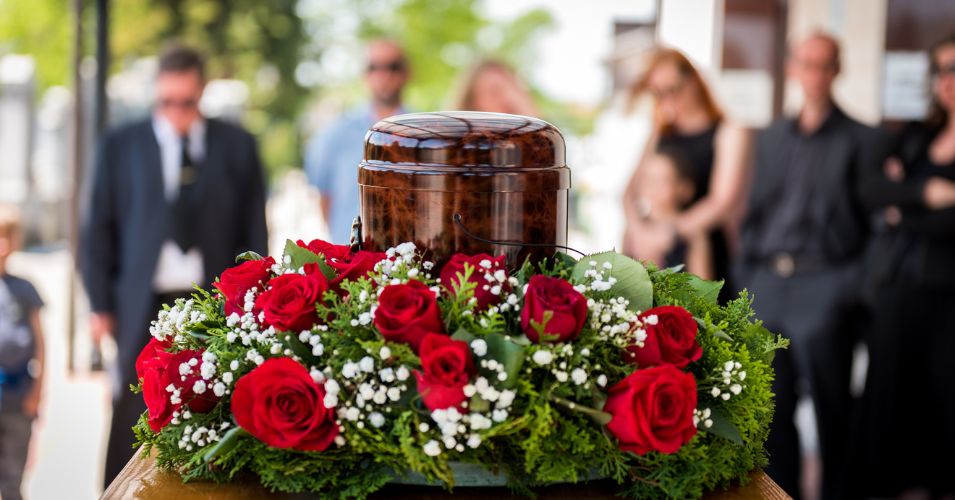
Cremation has become a common practice in many parts of the world, but for Christians, it often raises questions about what the Bible teaches.
Since burial was the typical tradition in Scripture, some wonder if cremation is acceptable or if it conflicts with God’s plan for the body and the resurrection.
The Bible does not directly command for or against cremation, but it provides principles about life, death, and the body that can guide believers.
By exploring Scripture, we can find clarity, comfort, and confidence about this important decision and how it relates to faith in God.
Burial Practices in the Bible and What They Reveal
When we look through the Bible, burial emerges as the most common practice for handling the body after death. From the earliest stories in Genesis to the New Testament accounts, God’s people placed a strong emphasis on laying their loved ones to rest in the ground. These examples reveal not only cultural traditions but also theological truths about respect for the body and hope in God’s promises.
Abraham provides one of the first clear examples. When his wife Sarah died, he purchased the cave of Machpelah as a burial site. This was not a temporary arrangement but a permanent place where generations of his family would be laid to rest.
Abraham himself, along with Isaac, Jacob, and Joseph, were later buried there. This act demonstrated faith that God’s promises about the land would be fulfilled and that their story did not end with death.
The burial of Jacob and Joseph also shows how significant this practice was. Even when they lived in Egypt, their hearts were set on being buried in the land God had promised. Joseph asked specifically that his bones be carried back to Canaan, showing that burial carried both spiritual meaning and connection to God’s covenant.
In the New Testament, we see the burial of Jesus after His crucifixion. Joseph of Arimathea placed His body in a tomb, fulfilling prophecy and honoring Him with dignity.
This account shows that burial was not only a cultural norm but also a meaningful expression of respect for the body, even after death. The resurrection that followed also points to burial as a symbol of hope. The body may be laid in the earth, but it will not remain there forever.
While the Bible highlights burial, it does not explicitly command it as the only acceptable practice. Instead, the repeated examples of burial reveal how God’s people viewed death with reverence and believed the body deserved care and honor.
These practices help us see that decisions about the body after death should reflect respect, faith, and a deep trust in God’s promises.
The Body as God’s Creation and Its Lasting Value
The Bible consistently teaches that the human body has great value, not only in life but even after death. From the very beginning, Scripture shows us that the body is not an accident of nature but a deliberate creation of God.
In Genesis, God formed man from the dust of the ground and breathed into him the breath of life. This act demonstrates that the body is both physical and spiritual, carefully crafted by the Creator.
Because the body is made by God, it carries dignity. Paul later describes the body as the temple of the Holy Spirit, reminding believers that they are not their own but were bought with a price.
This truth calls Christians to treat the body with respect, recognizing that it belongs to God. Even though death brings decay, the value of the body does not disappear. It remains part of God’s design and His redemptive plan.
The Bible also connects the body to the promise of resurrection. In 1 Corinthians 15, Paul explains that the body is sown perishable but raised imperishable. This image teaches that while the physical body may return to dust, God will transform it into something new and glorious. The lasting value of the body is not in its earthly strength but in its place in God’s eternal purposes.
Because of this, how we handle the body after death reflects what we believe about its value. Whether through burial or cremation, the question is not about preserving the body perfectly but about honoring God in how we treat it. The body is not simply a shell to be discarded but a creation that God will one day renew.
This perspective brings both responsibility and comfort. It reminds us that our bodies are gifts, entrusted to us for a time, and that even in death, they remain in God’s hands. The lasting value of the body points us to the hope that one day, through Christ, every believer will be raised in glory, whole and restored in His presence.
Does Scripture Support or Oppose Cremation?
When asking whether the Bible supports or opposes cremation, the first truth to recognize is that Scripture never gives a direct command either for or against it.
Burial was the consistent practice of the people of God, yet the absence of a clear prohibition against cremation means that it cannot be considered sinful in itself. Instead, the Bible provides principles that help guide believers as they make decisions about how to handle the body after death.
One argument some raise against cremation is that in certain Old Testament passages, fire is associated with judgment.
For example, rebellious cities or individuals were sometimes destroyed by fire as a sign of God’s displeasure. Because of this, some believe cremation carries negative symbolism. Yet it is important to note that these events were unique acts of judgment and not instructions about ordinary end-of-life practices. They should not be used as a blanket rule against cremation.
On the other hand, Scripture also reminds us that the body returns to dust. In Genesis, God told Adam, “For dust you are, and to dust you will return.”
Whether this happens through natural decay after burial or through cremation, the truth remains the same. God’s power is not limited by the condition of the body. He who created life from the dust can certainly raise it again, whether it has been buried, burned, or scattered.
The resurrection hope is the ultimate answer to the cremation question. Paul teaches that the perishable body will be raised imperishable, and that what is sown in weakness will be raised in glory. This assurance means that no matter how a body is laid to rest, God will fulfill His promise to renew it.
Therefore, Scripture does not oppose cremation, nor does it demand it. The choice remains a matter of conscience, guided by prayer, respect, and trust in God’s power.
Honoring God in Choices About Death and Burial
Even though the Bible does not prescribe one method over another, it does call believers to honor God in every choice, including decisions about death and burial. This principle means that the focus should not be only on whether cremation or burial is chosen, but on the heart and intention behind that choice.
To honor God in these decisions begins with acknowledging His sovereignty. Life and death are in His hands, and the body ultimately belongs to Him. Whether families choose burial or cremation, the goal should be to act in a way that reflects reverence for God as the giver of life. Prayer and seeking His wisdom are essential in making such decisions.
Respect for the body is another way to honor God. Since the body is created in His image and has been a vessel of His Spirit, it deserves to be treated with dignity even in death.
Funerals, memorials, and other practices can be powerful ways to thank God for the life that was lived and to point others to the hope of eternal life. Whether a body is buried in the ground or reduced to ashes, the key is ensuring that the process and remembrance bring glory to Him.
Honoring God also means caring for the living who remain. Decisions about burial or cremation often affect families emotionally, culturally, and financially. Choosing a path that brings peace, unity, and comfort to those left behind can itself be a way of honoring God.
Scripture urges believers to bear one another’s burdens, and this includes walking together through grief with love and compassion.
Ultimately, honoring God in choices about death and burial is less about the method and more about the meaning. The believer’s hope does not rest in how the body is handled but in the God who redeems it. By making decisions prayerfully, respectfully, and with eternity in view, families can find peace in knowing they are honoring the Lord even in the face of death.
The Resurrection Hope That Transcends the Grave
The most powerful truth the Bible offers about death is the hope of resurrection. For Christians, this hope transcends the grave and assures us that how the body is laid to rest is not the final word.
Whether through burial or cremation, the promise of God’s Word is that death does not have the last say. The resurrection of Jesus Christ stands as the ultimate guarantee that those who belong to Him will one day rise as well.
Paul writes extensively about this in 1 Corinthians 15. He explains that the body is sown perishable but raised imperishable, sown in dishonor but raised in glory, sown in weakness but raised in power.
These words assure believers that no matter what state the body is in after death, God’s transforming power will make it new. Cremation, burial, or natural decay cannot limit the ability of God to raise the dead. His promise is greater than the grave.
The resurrection also provides comfort in the face of grief. Paul reminds the Thessalonians not to mourn like those who have no hope, for when Christ returns, those who have died in Him will rise first. For families making decisions about cremation or burial, this truth brings peace. What matters most is not the method of care but the eternal promise that life in Christ is secure.
Jesus Himself declared, “I am the resurrection and the life. The one who believes in me will live, even though they die.”
His words shift the focus from the temporary to the eternal. The body may return to dust, but the soul that belongs to Him will never be lost. On the day of resurrection, every believer will be restored, whole and complete, standing in His presence.
This hope transcends cultural traditions, personal preferences, and earthly fears. It assures Christians that their future is secure and their destiny is eternal life. The resurrection is the reason why believers can face death with courage and why choices like cremation or burial, while important, are not the ultimate concern. God’s power goes beyond the grave, and His promises are unshakable.
Final Thoughts
The Bible does not give a direct command about cremation, but it does provide principles that guide the heart of every decision.
Burial was the common practice, yet Scripture does not forbid cremation. What it calls for is reverence, respect, and trust in God’s promises.
Whether families choose burial or cremation, the focus should be on honoring God, caring for one another, and holding firmly to the hope of resurrection. The body may return to dust, but the believer’s future is secure in Christ.
In the end, death is not the conclusion for those who belong to Jesus. The grave is temporary, but resurrection life is eternal. This is the truth that brings peace in grief and confidence in God’s unchanging promises.