
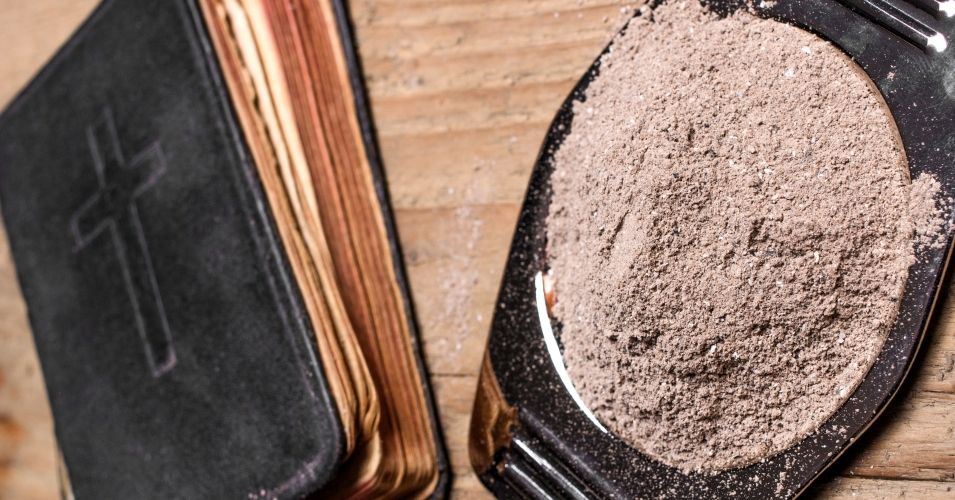
The topic of scattering ashes has become more common as cremation grows in popularity, yet many Christians wonder what the Bible says about it.
Scripture does not directly address cremation or scattering ashes, leaving believers to seek wisdom from biblical principles, traditions, and teachings about the body, death, and resurrection.
For families making these decisions, the heart of the matter is often about honoring God, respecting the body, and finding comfort in His promises.
By looking at the Bible, we can discover guidance that brings clarity and peace in the midst of grief and uncertainty.
Burial Traditions in the Bible
When we look to the Bible for guidance on what to do with the body after death, we see that burial was the most common practice among God’s people.
From the patriarchs of the Old Testament to the followers of Jesus in the New Testament, burial served as a way to honor life and show respect for the body. This tradition helps us understand how early believers viewed death and what they believed about God’s promises for the future.
Abraham, for example, went to great lengths to secure a burial site for his wife Sarah. He purchased the cave of Machpelah, which became the family tomb for generations.
Isaac, Jacob, and even Joseph were also buried in this same location, demonstrating the importance of burial as a way of preserving family heritage and affirming God’s covenant promises. The care and detail involved in these burials show that the body was not treated as meaningless, but as something worth protecting and honoring.
In the New Testament, we see the burial of Jesus Himself. After His crucifixion, Joseph of Arimathea asked for His body and placed it in a tomb. This act fulfilled prophecy and underscored the significance of burial in the Jewish tradition. The resurrection that followed also showed that burial is not the end, but a step toward the hope of eternal life.
Burial in biblical times often involved preparing the body with spices, wrapping it in cloths, and placing it in a tomb or grave. These actions were not only practical but also symbolic of dignity and reverence. The community gathered to mourn, remembering that life came from God and would one day return to Him.
Although burial was the pattern in Scripture, the Bible does not explicitly command it as the only acceptable method. What it reveals is that God’s people consistently treated the body with care, believing that it still bore significance even after death.
These traditions remind us that whatever decisions are made today, they should reflect the same heart of reverence and respect before God.
Understanding the Value of the Body
The Bible consistently teaches that the human body carries great value because it is created by God and made in His image.
From the beginning in Genesis, we see that God formed man from the dust of the ground and breathed life into him. This act of creation sets humanity apart and shows that the body is not just physical matter but something deeply connected to God’s design.
Paul reinforces this truth in the New Testament when he describes the body as a temple of the Holy Spirit. Believers are reminded that their bodies do not belong to themselves but are gifts entrusted by God. Even though the body ages and eventually dies, its value is never lost. This view of the body shapes how Christians think about what happens to it after death.
The body is also closely tied to the hope of resurrection. Paul explains in 1 Corinthians 15 that though the body is sown perishable, it will be raised imperishable.
This teaching highlights that while the body may return to dust, God has promised to transform it into something new and glorious. Because of this, Christians treat the body with dignity, knowing it is part of God’s greater plan.
Throughout history, the way the body is handled after death has reflected these beliefs. Whether through burial or other practices, the underlying principle has been to honor the life that God gave. When people consider scattering ashes today, the question is not only about tradition but also about how such actions reflect their understanding of the body’s worth before God.
Ultimately, the Bible points us to the truth that the body matters because God created it, redeemed it through Christ, and promises to raise it again. This perspective does not dictate a specific method of care after death, but it guides believers to act with reverence, respect, and faith in God’s eternal promises.
Does Scripture Forbid Cremation or Ashes?
When people ask about scattering ashes, one of the first questions that arises is whether the Bible forbids cremation. The truth is that Scripture never directly condemns or prohibits cremation.
Throughout both the Old and New Testaments, burial was the dominant practice, but there is no clear command that labels cremation as sinful. This silence has led Christians to look at broader principles of faith to guide their decisions.
Some believers point out that the body often returns to dust naturally, whether through burial or cremation. In Genesis, God tells Adam that he is dust and to dust he will return. This reminder shows that the physical body does not last forever, and that God is fully able to raise and restore it no matter the condition. Cremation, therefore, does not prevent God from fulfilling His promise of resurrection.
There are examples in Scripture where fire consumes bodies, such as in times of war or judgment, but these events are not presented as instructions for how the faithful should treat the dead.
Instead, they are descriptions of specific moments in history. Because burial was the cultural norm for Israel and the early church, it became the practice passed down for centuries. Yet it was never framed as the only possible way.
Christians who wrestle with cremation often ask if scattering ashes dishonors the body. Here, it is important to remember that God sees the heart. If ashes are scattered as an act of reverence, with prayers and gratitude, the act is not necessarily irreverent. What matters most is the motivation behind the choice.
The Bible emphasizes that the resurrection is not dependent on preserving a body intact. God’s power extends beyond the grave, beyond decay, and beyond ashes. What is sown perishable will be raised imperishable.
Therefore, while the Bible highlights the tradition of burial, it does not forbid cremation or the scattering of ashes. Instead, it encourages believers to approach these decisions with humility, faith, and trust in God’s eternal promises.
Honor God in End-of-Life Choices
When families face decisions about cremation, burial, or scattering ashes, the heart of the matter is how to honor God in those choices. The Bible reminds believers that whatever they do should be done for the glory of God. This includes not only how life is lived but also how the body is treated after death.
To honor God in these decisions means beginning with prayer and seeking His wisdom. Proverbs chapter three says that if you acknowledge Him in all your ways, He will direct your paths.
End-of-life choices can feel heavy, but surrendering them to God lightens the burden. By focusing on His guidance, families can move forward with peace that their actions are rooted in faith rather than fear.
Respect for the body is also a way to honor God. Since the body is created in His image and serves as a temple of the Holy Spirit, how it is treated matters. Whether a family chooses burial or cremation, the process should reflect dignity and reverence. Services, prayers, and memorials are opportunities to thank God for the gift of life and to place hope in His promises.
Another part of honoring God is caring for the living while remembering the dead. End-of-life decisions can cause division, especially if family members have different views. Choosing words and actions that promote unity reflects Christ’s call to love one another.
In this way, honoring God is not only about what happens to the body but also about how the family walks through grief together.
The final way to honor God in these choices is by holding tightly to the hope of resurrection. Death is not the end, and the way a body is laid to rest does not alter God’s plan to raise it in glory. When believers make their decisions with eternity in mind, they lift their eyes beyond the immediate sorrow to the eternal joy of reunion with Christ.
Finding Comfort in the Resurrection Hope
In the face of death, the most powerful comfort for believers comes from the promise of resurrection. The Bible makes it clear that death is not the end, but a doorway into eternal life with Christ.
When the question of scattering ashes arises, the ultimate answer is not found in the method of burial or cremation but in the hope that God will raise His people to life again. This hope turns sorrow into peace and fear into assurance.
Paul’s words in 1 Corinthians 15 provide a foundation for this promise. He explains that just as Christ was raised from the dead, so too will believers be raised in glory. The body that is sown in weakness will be raised in strength. The body that is perishable will be raised imperishable.
This means that even if the body returns to dust or is reduced to ashes, God’s power is greater. Nothing can prevent Him from keeping His word and restoring His people in the resurrection.
The resurrection hope also brings comfort when grief feels overwhelming. For those who long for loved ones who have passed, the promise of reunion is powerful. Paul tells the Thessalonians not to grieve as those without hope, but to take heart that when Christ returns, those who have died in Him will rise first. This truth assures us that separation is temporary, and that a day of reunion is coming when every tear will be wiped away.
Even the scattering of ashes can become a symbolic act of trust in this promise. Just as seeds are scattered into the earth with the expectation of growth, ashes scattered with faith can reflect the hope of new life in Christ. The act itself does not determine the resurrection, but it can serve as a reminder that God’s promises are sure.
The resurrection is not an abstract idea but the centerpiece of Christian faith. In John 11:25, Jesus Himself said, “I am the resurrection and the life. Whoever believes in me, though he die, yet shall he live.”
This statement assures every believer that their future is secure. For families making decisions about ashes, the most important truth to remember is that God’s promise of resurrection stands firm, bringing lasting comfort and eternal hope.
Final Thoughts
The Bible may not give a direct command about scattering ashes, but it provides principles that guide the heart of every decision. Burial was the tradition in Scripture, yet cremation and ashes are not forbidden. What matters most is honoring God, respecting the body, and trusting His eternal promises.
Grief often raises questions, but God’s Word points us back to His comfort and hope. The resurrection assures us that death is not the final word and that our loved ones who trusted Christ are safe with Him.
In the end, scattering ashes is not about breaking or keeping a rule, but about remembering God’s power to bring life from death and holding fast to the eternal hope found in Christ.