
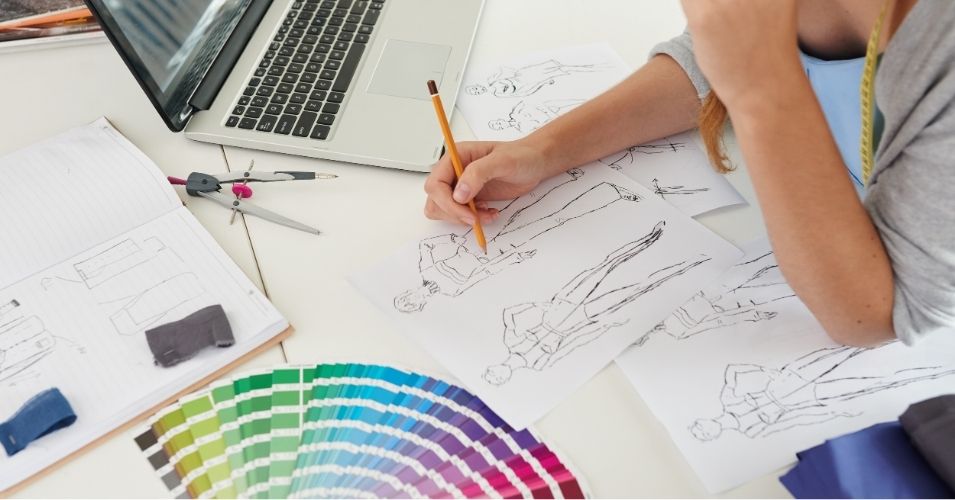
We all have hobbies we enjoy simply because they make us feel good. But sometimes, a hobby grows into something more. It becomes part of who you are and brings a deeper sense of purpose.
Turning a hobby into a passion is not about turning it into work. It is about finding more meaning, growing your skills, and sharing what you love in fulfilling ways.
This article will show you how to nurture your hobbies, give them purpose, and keep the joy alive.
Start by Noticing What Lights You Up
The first step in turning a hobby into something deeper is simply paying attention to what lights you up. What’s the thing you get excited to do, even when no one’s watching? What’s the activity that makes time fly or helps you feel calm, focused, or completely yourself?
It doesn’t have to be impressive or popular. It could be something small, like organizing your room, making playlists, doodling in the margins of notebooks, or writing poems just for fun. The size of the hobby doesn’t matter. What matters is the feeling it gives you.
Often, the things that bring us joy are also the things we overlook. We tell ourselves it’s “just a hobby” or “not a big deal.” But if something keeps calling you back, it’s worth paying attention to. That quiet pull is a sign that it means more than you realize.
Try this: spend a week noticing what excites you. What tasks do you look forward to? What do you talk about without even thinking? When do you feel most like yourself? Write it down if it helps. You’ll start to notice patterns. Clues that point to what your passion might be.
Not everything you enjoy has to become your life’s purpose, but some of your hobbies might hold more meaning than you expect. When you notice what lights you up, you can give those things more space in your life. That’s how passion starts. Not with a big plan, but with a simple, honest look at what already makes you feel alive.
Skill Comes from Consistency, Not Talent
One of the biggest myths about passion is that you have to be naturally good at something for it to matter. People often say, “I’m not talented enough,” and stop themselves before they’ve even really started. But here’s the truth: talent is nice, but consistency is what actually builds skill.
Every expert was once a beginner. Every artist, coder, chef, or dancer had a moment when they didn’t know what they were doing. What made the difference wasn’t some magic gift. It was showing up again and again, even when it was messy or hard.
If you love something, don’t worry about being the best. Just keep doing it. Even 10 or 15 minutes a day adds up over time. And the more often you practice, the more natural it becomes. You’ll start to learn from your mistakes. You’ll figure out your own style. And before you know it, you’ll look back and see how far you’ve come.
Consistency also builds confidence. Each time you stick with your hobby, even on the days when you don’t feel inspired, you’re proving to yourself that it matters. You’re saying, “This is worth my time.” And that commitment turns your interest into a real, lasting passion.
You don’t need perfect conditions. You don’t need fancy tools or a huge block of free time. You just need to keep going, one step at a time.
So if you ever catch yourself thinking, “I’m not good at this,” try shifting your thinking to, “I’m learning, and I’m getting better.” That small change in mindset can be the thing that keeps your passion growing, even when progress feels slow.
In the end, it’s not talent that makes the difference. It’s your choice to keep showing up.
Find Ways to Share What You Create
Once you’ve spent time building your skills and doing something you love, it’s only natural to want to share it. Sharing doesn’t mean you have to perform for an audience or post everything online. It just means letting your passion connect with someone else in a way that feels right for you.
When you share what you create, it adds a new layer of meaning to your hobby. It gives your work purpose beyond your own enjoyment. It also builds confidence. Whether you share with one friend or a whole community, you’re saying, “This matters to me, and I hope it might mean something to you too.”
There are many simple ways to share what you love. If you like writing, send a story or poem to a friend. If you love painting, give a piece as a gift. If you play an instrument, record a short video and send it to your family. You don’t need to be perfect. You just need to be willing.
You can also join small groups or communities that care about the same thing. These don’t have to be big or formal. A book club, an online art challenge, a local game night, or a writing group can all help you stay inspired. You’ll meet people who understand your interest and can offer feedback, encouragement, or just good conversation.
Sometimes sharing what you love opens new doors. You might be invited to teach someone, collaborate on a project, or even turn your hobby into a side job. But none of that has to be the goal. The real power in sharing comes from connection. From using your passion to brighten someone else’s day or to say, “This is a part of me.”
Let Your Passion Evolve with You
Passions aren’t frozen in place. Just like people, they grow and change. What starts as a fun side activity might become something deeper over time. Or the thing you once loved might shift into a new direction. That’s not a sign of failure. That’s a sign that you’re evolving and your passion is coming along with you.
Sometimes people feel stuck because they think they have to keep doing a hobby exactly the way they started it. But interests grow. You might begin by drawing in a sketchbook and later feel pulled toward digital design. You might start journaling for fun, then feel inspired to try songwriting. Letting your passion move in new directions keeps it exciting and alive.
It’s also okay for your energy to come and go. There might be seasons when you’re fully into your hobby and other times when it takes a back seat. That doesn’t mean it’s over. It just means you’re human. Life shifts, and passions can pause and restart in different ways.
As you gain new experiences, your view of your passion might deepen. You may find new reasons to care about it. You might see how it fits into your life in unexpected ways. That flexibility makes your passion sustainable. It stops being something you have to force and becomes something you can grow with.
Try checking in with yourself once in a while. Ask what you love most about your hobby now. Ask how it makes you feel, and whether there’s something new you want to try. You might be surprised by what you discover.
A true passion isn’t rigid. It adapts. It grows up with you. And when you give it room to breathe and change, it stays part of your life for the long haul.
Purpose Doesn’t Always Mean a Career Path
It’s easy to think that if something really matters to you, it has to turn into a job. We hear it all the time: “Do what you love and make it your career.” While that works for some people, it’s not the only way to give your passion purpose.
Your hobby doesn’t need to make money to be meaningful. It doesn’t need to be famous, productive, or turned into a brand. Its value isn’t measured by how many people see it or how much income it brings in. Sometimes, the most powerful purpose a hobby can serve is simply how it makes you feel.
A purposeful passion gives you energy. It helps you understand yourself. It gives your days more color. That’s already enough.
Some people find their joy in sharing their hobby with their community. Others enjoy teaching it to a few close friends. And some keep their passion completely personal. All of these are valid. The key is that it gives your life something extra. A creative outlet, a source of calm, or a way to connect with others.
You also don’t have to rush into turning your hobby into something bigger. Enjoying something deeply and privately is still meaningful. If opportunities come later, you’ll be ready. But if they don’t, the hobby is still worth doing.
The purpose of your passion is what you decide it to be. Maybe it helps you express yourself. Maybe it brings people together. Maybe it just makes hard days easier. That’s enough of a reason to keep going.
Don’t let outside pressure turn your joy into stress. You can build a beautiful, meaningful life by doing things you love. Whether or not they ever become your career.
Final Thoughts
Hobbies start from simple joy. But when you give them time, attention, and care, they can grow into something much deeper. They can become passions that bring meaning to your life and even to others around you.
You don’t need to be perfect. You don’t need to impress anyone. You just need to keep showing up with honesty and curiosity.
Your passion doesn’t have to follow anyone else’s path. It only has to feel real to you.
So pick up that pen, paintbrush, instrument, or tool again. Do it not because you have to, but because it feels good. Let it grow, shift, and guide you toward something more.
Your purpose might already be hiding in something you love to do.