
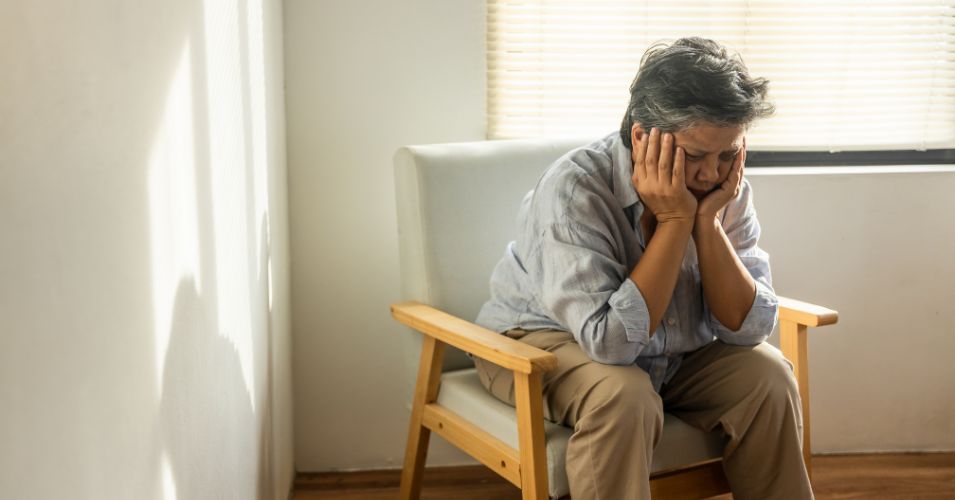
Growing old can be both peaceful and challenging, but for immigrants, those challenges often come with a deeper weight.
The effort it took to start a new life in a different country can leave emotional and physical scars that grow heavier with time. Many seniors who once dreamed of a better future now face loneliness, language barriers, and fading connections to their homeland.
Yet, there is also incredible strength in their journey. Every struggle holds a story of courage and survival. With understanding, support, and community, immigrant seniors can rediscover belonging, pride, and joy in their later years.
The Emotional Weight of Leaving Home Behind
For many immigrants, the decision to leave home was one of courage and hope. It was a step toward a better life, a safer place, or an opportunity to care for loved ones. But as the years pass, especially in old age, that same decision can carry a quiet ache that never quite fades.
The feeling of loss becomes stronger with time. The places that once felt familiar no longer exist as they did. Neighborhoods have changed. Friends have grown old or passed away. Even if someone returns for a visit, it may feel like coming home to a stranger’s land.
This emotional weight can create deep sadness and nostalgia. It is not simply missing a place, but missing the version of oneself that lived there. For senior immigrants, these memories often resurface in moments of stillness. A smell, a song, or a phrase in their native language can unlock powerful emotions that have been tucked away for decades.
Loneliness can grow from these memories. Family members born or raised in the new country might not fully understand the world their parents or grandparents left behind. This gap can make older immigrants feel misunderstood or out of place, even within their own homes.
Overcoming this emotional struggle starts with acknowledgment. It is okay to grieve the past. Sharing stories, traditions, and memories can turn that grief into connection. Younger generations benefit from hearing about their family’s journey, and elders gain comfort in seeing their history valued and remembered.
Community gatherings, cultural centers, and social groups that celebrate shared heritage can also help ease the pain of loss. Speaking one’s language, eating familiar foods, and celebrating old customs bring a sense of home back into daily life.
Holding onto culture does not mean living in the past. It means carrying the best parts of it forward. By embracing both old and new, senior immigrants can find peace in knowing that their sacrifices built bridges between worlds and generations.
Living With Language Barriers and Communication Gaps
Language can connect people, but it can also build walls. For many senior immigrants, the inability to speak fluently in their adopted country creates a daily struggle that few others notice. It can turn simple tasks like grocery shopping, visiting a doctor, or taking a bus into sources of stress and fear.
In their younger years, many immigrants manage by working hard and learning basic phrases to get by. But as they grow older, memory challenges or health problems can make communication even harder. Words that once came easily might suddenly disappear. A thick accent or limited vocabulary can lead to embarrassment or misunderstanding.
This barrier often isolates senior immigrants from the world around them. Conversations move too quickly. Humor and small talk can feel impossible to follow. Over time, this creates a deep sense of separation, even when surrounded by people.
The frustration can spill into family life, too. Children or grandchildren might speak the new language fluently, while the elder struggles to keep up. Misunderstandings can lead to silence, and silence can turn into emotional distance.
Overcoming this barrier begins with patience and persistence. Language learning does not have an age limit. Community colleges, libraries, and cultural centers often offer English classes designed for seniors. These programs move at a comfortable pace and focus on practical conversation skills.
Technology can also be a friend. Translation apps, language podcasts, and online tutors make practice easier than ever. Using these tools regularly builds confidence and independence. Even learning a few key phrases can reduce anxiety and improve daily life.
Equally important is kindness from others. When neighbors, friends, and caregivers take time to listen slowly and clearly, communication becomes a shared effort instead of a challenge. Smiles, gestures, and patience can say as much as words.
Learning a new language late in life takes courage, but every step counts. Each new word opens another door. It is not about perfect grammar or flawless pronunciation. It is about connection, dignity, and the freedom to express oneself without fear.
When You Feel Invisible in a Fast-Moving World
As the years pass, many senior immigrants begin to feel invisible. The world around them changes quickly, filled with new technology, unfamiliar customs, and ways of living that feel far removed from the ones they knew. What once felt exciting can now feel overwhelming. The fast pace of modern life can make older immigrants feel like they no longer belong.
This feeling often begins with small moments. A clerk speaks too quickly at the store. A phone menu uses words that are hard to understand. Neighbors seem too busy to stop and talk. Each of these moments adds up until a quiet loneliness begins to settle in.
For immigrants who once worked hard to build a new life, this invisibility can hurt deeply. Many sacrificed comfort and familiarity to raise families or find opportunity in a new land. Now, in later years, it can seem like their contributions have been forgotten.
The fast-moving world also makes it harder to stay connected. Technology, while helpful, can widen the gap. Seniors who struggle to use smartphones or computers may find it difficult to reach loved ones or access important services. Even social events often move online, leaving those without digital skills feeling left out.
Overcoming this sense of invisibility begins with connection and recognition. Everyone wants to feel seen and valued. Joining senior or immigrant community centers can help create spaces where people are respected and included. These places often host cultural events, language classes, and group activities that bring joy and friendship back into daily life.
Younger generations can also play a powerful role. When children and grandchildren take time to listen to stories or teach technology with patience, they bridge the gap between the past and the present. That act of attention shows love and restores confidence.
Communities that honor their elders grow stronger. Sharing traditions, volunteering, or simply participating in local events can help senior immigrants find their voice again. The world may move fast, but it still has room for every story, especially those filled with the wisdom of experience. Being seen begins with being heard, and every voice deserves that chance.
The Struggle to Access Healthcare and Support
For many senior immigrants, healthcare can feel like a maze filled with unfamiliar words, complicated systems, and high costs. Even those who have lived in their new country for years may still find it difficult to navigate hospitals, clinics, and insurance forms. This struggle often leads to frustration, fear, and delayed care.
Language barriers are a major part of the problem. Medical visits rely on clear communication, yet many older immigrants cannot fully explain their symptoms or understand a doctor’s instructions. Without interpreters or bilingual staff, misunderstandings can lead to the wrong treatment or medication errors.
Cultural differences also make healthcare harder to access. Some seniors come from places where medical care works very differently. They might believe it is impolite to question a doctor or may hesitate to seek help until pain becomes unbearable. Others fear being a burden to their families or worry about the cost of care.
The emotional toll is just as heavy. Feeling unwelcome or misunderstood in a clinic can make someone avoid returning altogether. Over time, this isolation leads to worsening health and growing despair.
Overcoming this struggle starts with awareness and advocacy. Many communities now offer translation services, patient navigators, and cultural outreach programs that help immigrants understand their healthcare options. Local health departments, religious groups, and nonprofit organizations often work together to make care more accessible.
Family involvement also makes a difference. When children or relatives accompany senior immigrants to appointments, it helps bridge the language and cultural gaps. They can take notes, ask questions, and make sure information is clearly understood.
For those living alone, social workers and community volunteers can provide essential guidance. These helpers know how to connect seniors to programs that cover medication costs, transportation, and medical assistance.
Healthcare should never feel out of reach. Every person, regardless of language or birthplace, deserves compassionate care. With better awareness, support, and communication, immigrant seniors can take control of their health and find comfort in knowing they are not alone in the system.
Finding Purpose and Belonging Again
After a lifetime of hard work and sacrifice, many senior immigrants reach a point where they begin to ask what comes next. The children they raised are grown and busy with their own lives. The jobs that once filled their days are long behind them.
Without the daily structure and social interaction that work or parenting once provided, a sense of emptiness can begin to grow. It is not just about being retired. It is about feeling unsure of what purpose remains.
This loss of purpose is common among older adults, but it can feel even heavier for immigrants. Many devoted their best years to building stability in a new country, often at the cost of personal dreams or education. When the responsibilities fade, the question of identity rises. Who am I now, beyond being a worker, a parent, or an immigrant?
Finding purpose again begins with rediscovery. Every person holds skills, wisdom, and stories that can inspire others. Sharing that knowledge gives meaning to the present. Some find joy in mentoring younger immigrants who face the same struggles they once did. Others volunteer in schools, community centers, or places of worship. Even small acts of kindness, like helping a neighbor or teaching traditional recipes, create connection and pride.
Belonging also comes from shared culture. Celebrating holidays, cooking familiar foods, or joining cultural associations brings comfort and unity. These spaces remind seniors that they are part of something larger than themselves, something that still matters deeply.
Spirituality can also offer peace. Whether through prayer, meditation, or reflection, reconnecting with faith helps many find strength and purpose. For others, simply spending time in nature, writing, or creating art provides the same sense of calm and renewal.
Purpose does not have to be grand or public. It lives in small, meaningful moments. Listening to music from one’s homeland, passing on traditions to grandchildren, or making new friends at a community center can all bring back a feeling of belonging.
Every immigrant’s story is proof of courage. To start over in a new place takes resilience that never fades. Finding purpose again is about seeing that same strength in everyday life and realizing that even now, the journey is still unfolding.
Final Thoughts
The silent struggles of senior immigrants are real, but they do not define the end of their story. Behind every challenge lies the strength that once carried them across oceans, borders, and years of hard work. That strength still lives within them.
Healing and belonging begin with connection. Sharing experiences, seeking support, and embracing both the old and the new create balance and peace. Life after sacrifice deserves more than survival. It deserves joy, recognition, and love.
Every senior immigrant has already proven their courage. Now is the time to use that same courage to build a life filled with comfort, pride, and purpose once more.
If you’re feeling overwhelmed, please know you’re not alone and there is help. You can call 988 anytime. It’s free, confidential, and available 24/7. Someone will be there to listen, support you, and help you find your way forward.