
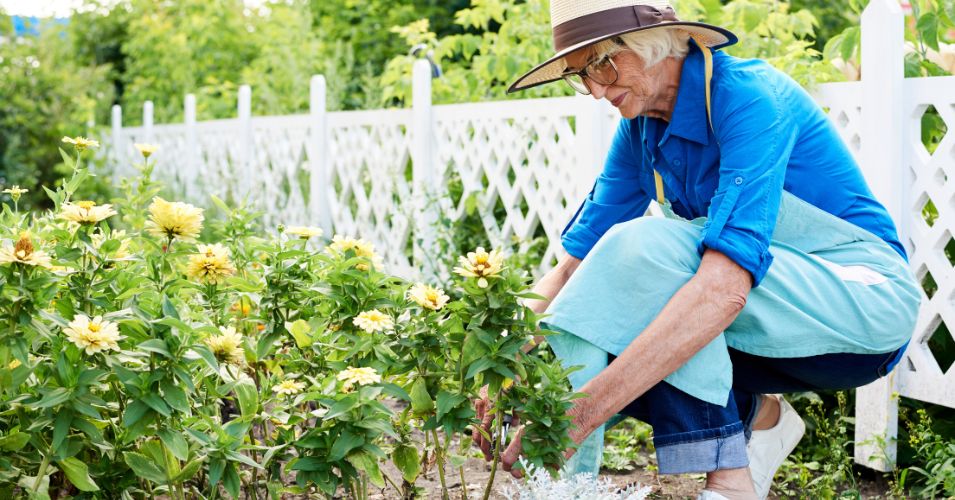
A yard or garden can be a place of peace, beauty, and pride. For many people in their 80s, it is more than just grass and flowers. It holds memories, routines, and moments that brought joy over the years.
But as time goes on, the same garden that once brought comfort can begin to feel overwhelming.
Pulling weeds, mowing grass, and bending over flower beds become harder on your body.
This article gently explores the quiet struggles that come with caring for your outdoor space in later years and offers simple, meaningful ways to keep the joy without carrying the full burden.
When the Work Becomes Too Much All at Once
There was a time when taking care of your yard or garden felt like a joy. You woke up early, pulled on your gloves, and worked with purpose. You mowed, trimmed, raked, and planted without thinking twice. The hours passed with birdsong and fresh air as your reward.
But now, everything takes longer. Tasks that once filled you with energy now leave you sore, tired, and needing more rest than before.
You may look outside and see overgrown grass, dry plants, or fallen branches and feel overwhelmed. You want to care for it like you always did, but your body is not able to keep up.
Simple movements like kneeling, bending, or lifting a bag of soil become difficult. Even pushing a mower feels heavier than it used to.
You tell yourself you will get to it tomorrow, but tomorrow keeps slipping further away.
Soon, the work piles up. One chore leads to five more. And the beautiful space you once tended with ease begins to feel like a burden instead of a blessing.
This shift can be quiet but painful. You may not talk about it. You may not want others to know. But inside, you feel the weight of what is left undone.
The truth is, this change is not your fault. It is not a lack of effort or care. It is simply a part of aging.
The yard may still be beautiful, but it now requires more than one person to keep it that way.
You are still a gardener. You are still someone who loves the land. But now, it is time to approach the work differently.
The first step is to be gentle with yourself. You have done enough for many seasons. Now, you deserve support, rest, and a new way to stay connected to the space you love.
Why Letting Go Feels Like Losing a Part of Yourself
Your yard or garden is not just a patch of earth. It holds memories, seasons, and stories that are wrapped tightly into your heart.
You remember where each flower came from, who helped plant the tree, and how the grass felt beneath your feet when the kids played outside.
Letting go of that care can feel like letting go of a piece of yourself. It is not just the chores you miss. It is the connection. The rhythm of your day. The pride of knowing every inch of your outdoor space.
Now, as tasks become harder, you may begin to hand over some of the work. Someone else mows the lawn. Someone else pulls the weeds.
And even when they do a good job, it feels different. They do not plant the same flowers you would. They do not notice the little things you used to care about.
You want to be thankful, but you also feel a quiet sadness. You are no longer the keeper of your own space.
This shift can stir feelings you were not expecting. You may feel useless, invisible, or even a little ashamed. You may not say it out loud, but part of you grieves what used to be.
It is okay to feel that way.
Letting go is not easy. It means accepting change. It means trusting others with something that has been part of you for so long.
But even if your hands no longer do the digging, your heart still holds the garden.
You are still the reason it exists. You are still the one who gave it life.
Letting go does not erase your place. It simply makes room for a new kind of role. One filled with guidance, memory, and the wisdom only you can share.
What Others Often Overlook About Outdoor Tasks
To many people, yard work looks simple. They see a lawn that needs mowing, a few weeds in the garden, or leaves scattered across the porch.
They may not realize how much time, effort, and care it truly takes to keep a yard looking nice.
What they overlook is everything that goes into those tasks. It is not just the physical labor. It is planning what needs to be done. It is choosing the right day, preparing tools, lifting bags, and cleaning up afterward.
These steps all used to be second nature. You handled them without giving it much thought. But now, every step feels more involved.
Getting the mower out of the shed might mean lifting something too heavy. Reaching down to pull weeds may lead to pain in your knees or back. Carrying water to thirsty plants in the summer heat might leave you feeling dizzy or weak.
People may assume that because you are home more, you have more time to handle everything. But they do not see the energy these small tasks demand. They do not always understand how long recovery takes afterward.
There is also the emotional effort. You see what needs to be done and feel frustrated that you cannot do it the way you once did. It is hard to explain that kind of sadness to someone who has not lived it.
It is not just about chores. It is about the pride you used to feel. The joy of doing something well. The peace of sitting in a space you shaped with your own two hands.
When others help, they may move quickly or skip steps you would never miss. It is not wrong, but it reminds you of how deeply you cared for this space.
That care still lives in you. Even if you need help now, your attention to detail and love for your yard are still very much alive.
Smarter Ways to Keep Your Yard Looking Loved
You do not have to give up your yard just because your body cannot handle all the same work. With a few smart changes, you can keep your outdoor space beautiful while protecting your energy and comfort.
Start by rethinking the layout. If you have flower beds that are hard to reach, consider raising them. Raised beds reduce bending and make it easier to plant, water, and weed.
Simplify your space. Choose fewer high-maintenance plants and more perennials that return each year without needing to be replanted. Shrubs and ground covers are great options that add beauty with less work.
Look for tools that are easier to use. Long-handled weeders, lightweight hoses, and rolling garden carts can help you move around without putting pressure on your back or knees.
Hire help when needed, but stay involved. You can direct the work, choose the plants, and plan the layout. You do not have to give up control to receive support.
Set a weekly schedule with small, manageable goals. Water the plants one day. Trim the bushes another. Keep each task short and gentle on your body.
Use mulch to reduce the number of weeds. It keeps the ground moist and makes your garden easier to care for.
Add a bench or comfortable chair to your yard. Make a space where you can sit, rest, and still feel connected to your garden without needing to be on your feet the whole time.
Even if you do less, you are still part of what makes your yard special. Your eye, your choices, your memories all still shape the space.
You do not have to do everything to enjoy it. You just need the right tools, the right help, and a new rhythm that fits your life now.
Your yard can still reflect the love you have poured into it for years. And that love will keep blooming, season after season.
Finding Peace in Sharing the Work with Others
For most of your life, you may have been the one doing it all. You planted the flowers, mowed the lawn, trimmed the trees, and made sure every corner of your yard looked cared for. Now, the thought of asking someone else to help can bring mixed feelings.
You might feel grateful, but also uneasy. You may worry about being a bother, or that others will not do things the way you prefer. There may even be a quiet sadness in watching someone else take over tasks that once brought you joy.
But sharing the work does not mean giving it up completely. It means choosing peace over pressure. It means staying connected to your yard in a new way, one that includes the hands of those who care about you.
Start by inviting someone into the process. Ask a neighbor, a family member, or a young person in the community to join you in one small task. Tell them what you love most about your garden. Show them how you used to do it.
Let them see the meaning behind the work, not just the steps involved.
When people understand why it matters to you, they will likely treat it with more respect and care. You can stay involved by planning, guiding, and watching your outdoor space grow under both your eyes and theirs.
There is peace in knowing you are not alone. There is comfort in letting someone else lift what has become too heavy for you. And there is joy in sharing something that has brought you happiness for so many years.
By passing on parts of your routine, you are also passing on part of your heart. That is not a loss. It is a beautiful way to stay rooted in the place you love.
Final Thoughts
Maintaining a yard or garden in your 80s is more than a chore. It is a part of who you are. As your body slows down, the tasks become harder, but the love for your space remains strong.
You may need to ask for help or change how you work, but that does not take away your connection to the land you have cared for.
Let others walk beside you. Let tools and simple changes ease your load.
You are still the heart of your garden. And your presence continues to make it grow in ways only you can.