
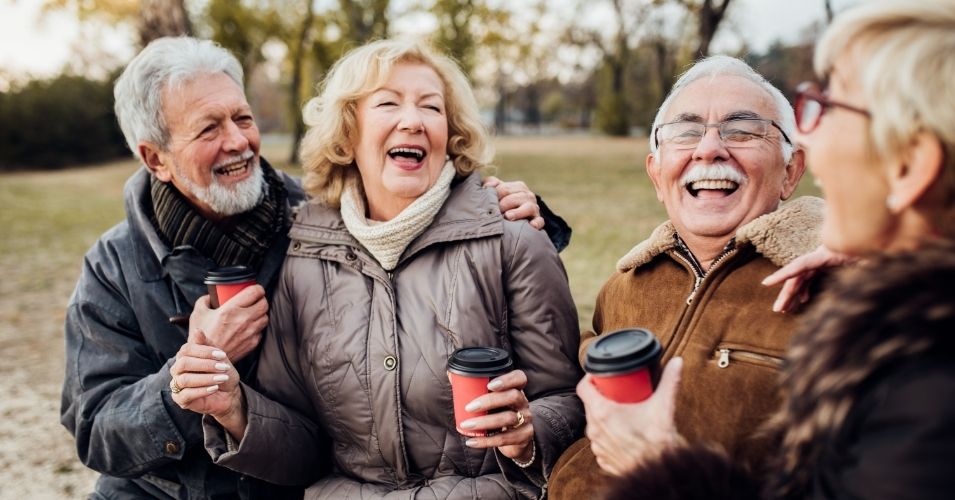
Life as an extrovert is often filled with color, connection, and energy. Being around others brings excitement and meaning, and laughter shared with friends can make any day feel brighter.
Yet, as the years go by, the social world that once came naturally begins to change. Friends move away, health limits activities, and the pace of life slows down.
For extroverted seniors, these changes can create both joy and frustration. While their enthusiasm for life remains strong, the world around them may not always keep up. Still, with understanding and balance, extroverts can continue to shine in their later years.
When the World Feels Too Quiet for an Energetic Spirit
Extroverts thrive on motion, laughter, and the buzz of company. For many, life has always been a series of conversations, gatherings, and shared experiences that fill the days with meaning. But as time passes, that once lively rhythm begins to slow.
The phone rings less often. Friends who once shared in every adventure may have moved away or passed on. The energy that once surrounded an extrovert begins to fade, and the world can start to feel too quiet.
This silence can be deeply unsettling. Extroverts often draw emotional energy from being around others. When the world grows still, that inner spark can begin to dim. It is not that they dislike solitude, but long periods of it can feel like a heavy weight pressing on their sense of self.
Many extroverted seniors describe this as a kind of emptiness. The laughter that once filled their days is replaced with long hours of stillness. Family members may be busy, neighbors might keep to themselves, and social events that once felt effortless can start to require extra planning or energy.
That contrast between a vibrant inner spirit and a slower outer world can create sadness or frustration. Some may even begin to question their worth or relevance. For someone who once brought life to every room, adjusting to a quieter reality can feel like losing part of their identity.
Overcoming this feeling begins with adaptation rather than resistance. The need for social energy does not fade with age, but the ways to find it must evolve. Smaller gatherings can replace large parties. Phone calls or video chats can fill the gaps when visits are not possible. Volunteering at local centers, libraries, or community events can offer meaningful ways to stay engaged while helping others.
It also helps to find social activities that align with new physical or emotional rhythms. Joining walking clubs, church groups, or music circles can reignite that sense of belonging without overwhelming the body.
When the world feels too quiet, the answer is not to chase the past but to create new forms of connection that fit the present. The energy of an extrovert never truly disappears. It simply waits for new spaces to express itself, proving that even in quieter times, the spirit can still shine brightly.
The Joy That Comes from Staying Socially Connected
For extroverts, connection is not just enjoyable; it is vital. Being around others brings warmth, laughter, and purpose to each day. The simple act of conversation can lift the mood, and the energy exchanged in a room full of friends can feel like sunshine for the soul. For senior extroverts, maintaining these connections becomes one of the most rewarding parts of aging.
Social interaction provides a sense of belonging that supports emotional and physical health. Studies show that seniors who stay socially active often experience lower stress, better memory, and improved well-being. But for extroverts, these benefits go even deeper. Connection fuels their spirit. It gives them something to look forward to and helps them stay motivated to live life fully.
Every friendship brings its own kind of joy. Sharing memories with long-time friends feels comforting, like returning to familiar laughter. Meeting new people sparks excitement, curiosity, and the thrill of discovery. Extroverts naturally find ways to bring people together, turning ordinary moments into reasons to celebrate.
Family connections hold a special place, too. Spending time with children, grandchildren, or relatives allows extroverts to share their enthusiasm and humor across generations. They often become the glue that keeps the family connected, reminding everyone of the power of togetherness.
Staying socially connected does not always mean being constantly surrounded by people. Sometimes it simply means maintaining regular, meaningful contact. A weekly lunch with a friend, attending community classes, or even chatting with neighbors can all keep the social heart alive.
Technology offers new ways to stay connected as well. Extroverted seniors often enjoy using social media, video calls, or group chats to stay in touch with friends and family who live far away. These digital conversations can bring laughter and warmth even across miles.
The joy of connection lies in its variety. Whether through laughter shared in person or a heartfelt message sent online, the presence of others reminds extroverts that they are still part of something larger. Staying socially engaged gives their energy purpose, turning every day into another chance to share light, love, and laughter with the world.
Facing the Fear of Losing Relevance and Attention
For many extroverts, much of their self-worth has always come from being present, noticed, and involved. They are the ones who brought life to gatherings, organized events, and made others feel welcome.
But as the years go by, that spotlight can begin to dim. Fewer invitations arrive, conversations shift to younger generations, and suddenly, the extrovert who was once the center of attention starts to feel invisible.
This change can be emotionally painful. Extroverts thrive on connection and interaction, so when attention fades, it can feel like part of their identity is slipping away. They may wonder if people still value their presence or ideas. The silence that follows a lifetime of social involvement can be one of the hardest adjustments to aging.
Many seniors face this quietly. They may smile and act cheerful, but inside, they miss being needed, listened to, or admired. It is not vanity that fuels this feeling, but a deep human desire to matter. For extroverts, being seen and heard is how they share their love and purpose with the world.
To overcome this fear, it helps to redefine what relevance means. Being relevant is not about being the loudest voice in the room or having the most attention. It is about being genuine, kind, and engaged in ways that create lasting impact.
Extroverted seniors can still shine by mentoring younger people, volunteering, or taking leadership roles in community programs. Their life experience and natural people skills make them valuable in spaces that need energy and encouragement.
Building confidence also means learning to enjoy smaller moments of recognition. A smile from a neighbor, a thank-you from a friend, or a conversation that brightens someone’s day are all signs of influence and importance.
Another key to feeling relevant is embracing change instead of resisting it. The ways people connect may shift, but the heart behind those connections stays the same. By adapting to new tools like video chats or social networks, extroverts can continue to build relationships that keep them visible and valued.
Attention may not come from crowds anymore, but it still exists in countless meaningful interactions. The secret is realizing that being noticed is not the same as being loved. Extroverts never lose their ability to bring joy. They simply need to shine in new places and in new ways.
The Fulfillment Found in Sharing Energy with Others
Extroverts have a natural gift for uplifting people. Their enthusiasm, humor, and warmth can change the mood of a room almost instantly. Even as seniors, this gift remains one of their most powerful strengths. Sharing energy with others brings fulfillment not only to those around them but also to their own hearts.
There is something deeply rewarding about making people laugh, offering encouragement, or simply being present. For extroverts, these interactions feel like purpose in motion. They remind them that their energy is not just noise. It is connection, comfort, and life.
Seniors who continue to share their energy often find that it brings them meaning each day. Whether it is volunteering at a local charity, greeting people at community events, or joining clubs that value conversation and fun, every interaction becomes a way to give back. Their ability to make others feel seen and included remains a priceless gift.
Even small acts can have a big effect. Checking in on neighbors, starting conversations in a park, or attending a friend’s gathering helps create positive ripples in the community. Extroverts naturally draw people together, and that connection can lift spirits for everyone involved.
Family relationships also thrive under this energy. Grandchildren, in particular, often light up around outgoing grandparents who bring excitement and laughter into their lives. That energy becomes part of their family’s memories: a lasting legacy of love and joy.
Sharing energy also helps keep the mind and body active. Engaging with others stimulates creativity, improves mood, and reduces feelings of isolation. It becomes a cycle of positivity: the more extroverts share their energy, the more they receive it in return.
True fulfillment comes from realizing that energy is not something that fades with age. It simply changes direction. Instead of filling crowded rooms, it flows through meaningful one-on-one connections, through kindness, and through acts of care. For extroverts, sharing that spark keeps life colorful, connected, and full of joy.
Building Peace Within While Keeping the Spark Alive
For many extroverted seniors, slowing down is one of the hardest adjustments of aging. The lively schedules, constant conversations, and spontaneous outings that once defined their lives may no longer happen as often.
The energy is still there, burning bright inside, but the world around them might not move at the same pace anymore. Finding peace within that change, while still keeping their spark alive, becomes a deeply personal journey.
Extroverts often associate peace with activity. They find comfort in noise, laughter, and shared experiences. So, when the world becomes quieter, they may struggle to understand how to feel content without constant social motion. It can take time to realize that peace is not the opposite of energy. Instead, it is the foundation that allows that energy to grow in new ways.
Building peace begins with self-connection. Extroverts are often so focused on the world around them that they rarely stop to reflect inward. Taking time for self-care, meditation, or journaling helps them reconnect with their inner thoughts. Through this quiet reflection, they discover that their joy does not rely only on others. It also lives within themselves.
Peace also comes from acceptance. Life changes, friendships evolve, and routines shift, but these transitions do not have to feel like loss. They can be opportunities to discover new passions or to deepen appreciation for simple pleasures. A walk in nature, music played softly in the background, or a heartfelt conversation with one trusted friend can feel just as rewarding as a crowded gathering once did.
Keeping the spark alive means nurturing the parts of life that still excite the heart. Extroverted seniors can channel their natural enthusiasm into creative outlets such as art, theater, or storytelling. They can mentor others, lead small community projects, or organize casual get-togethers. Their ability to motivate and inspire others does not fade with age. It simply transforms into something wiser and more intentional.
The key is balance. Too much quiet can dull the spirit, but constant motion can exhaust it. When extroverts learn to find stillness without losing their joy, they discover a new kind of fulfillment. Their spark does not need to burn loudly to shine. It glows with warmth, purpose, and peace and is a reflection of a life lived fully and shared generously.
Final Thoughts
Life as an extroverted senior is filled with both brightness and challenge. The desire to connect, to laugh, and to be part of the world never fades. It only changes shape.
While the world may move more slowly and the crowds may grow smaller, the gift of an outgoing heart remains powerful. With patience, creativity, and balance, extroverts can continue to share their energy and joy with others in meaningful ways.
Peace and excitement can exist together. By learning to nurture both, extroverted seniors can keep their light shining strong, showing that age can soften the pace without ever dimming the spirit.
If you’re feeling overwhelmed, please know you’re not alone and there is help. You can call 988 anytime. It’s free, confidential, and available 24/7. Someone will be there to listen, support you, and help you find your way forward.