
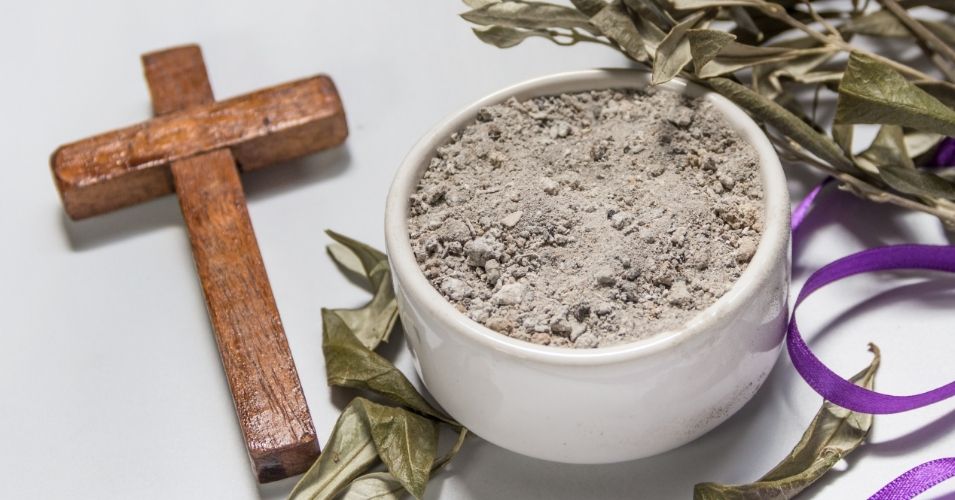
The subject of cremation and separating ashes is one that many families face during times of grief.
While burial has long been the traditional choice in Christian history, more people today are choosing cremation, and with it comes the question of what to do with the ashes.
Some divide them among family members, while others wonder if this practice aligns with the teachings of the Bible.
Scripture does not speak directly about cremated remains, but it offers principles that help guide believers as they seek comfort and clarity in making such decisions.
Burial Traditions in the Bible
When we look at the practices of God’s people in the Bible, burial is the most common way they honored their loved ones after death.
In the Old Testament, we see patriarchs like Abraham, Isaac, and Jacob carefully choosing burial places for themselves and their families. Abraham purchased the cave of Machpelah as a family tomb, and this site became an important place where generations were laid to rest. This act was not simply about finding a spot of land but about showing respect and faith in God’s promises.
The burial of Jacob is another significant moment in Scripture. Though he died in Egypt, Joseph made sure his father’s body was carried back to Canaan, the land promised by God. This revealed how burial was tied not only to tradition but also to the hope of God’s covenant with His people. In this way, burial became both a spiritual and cultural act.
The New Testament continues this pattern. When Lazarus died, he was buried in a tomb, and when Jesus raised him, He called Lazarus out from the grave. Most importantly, Jesus Himself was placed in a tomb after His crucifixion. The burial and resurrection of Christ became the foundation of Christian faith, linking the act of burial with the ultimate hope of eternal life.
Because burial was the norm, the Bible does not speak directly about cremation or the separation of ashes. Still, the examples of burial practices point to values of dignity, respect, and the hope of resurrection. The care taken in preparing and burying bodies showed a deep awareness that the body, though returning to dust, still mattered to God.
For believers today, understanding these traditions provides helpful context. Burial was about more than handling remains. It was about faith in God, respect for life, and the anticipation of a future when the dead would rise again.
What Scripture Teaches About the Body After Death
The Bible makes it clear that our bodies are temporary vessels, yet they hold significant value because they were created by God.
In Genesis, we are told that God formed Adam from the dust of the ground and breathed life into him. This image of humanity’s beginning shows both the frailty and the sacredness of the human body. Even after death, Scripture treats the body with care, recognizing it as part of God’s creation.
When death occurs, the body returns to the earth, but the soul continues on. Ecclesiastes says that the dust returns to the ground it came from, and the spirit returns to God who gave it. This distinction between body and soul helps believers understand that while the body may decay or be destroyed, the eternal soul remains under God’s care.
Paul’s letters further explain this truth. He writes that our earthly bodies are like tents that will be replaced with eternal dwellings in heaven. The body we have now is temporary, but God promises a resurrected body that will never perish. This teaching offers hope and shifts the focus from the physical remains to the eternal promise.
Because of this, the handling of remains, whether by burial or cremation, does not prevent God’s power to resurrect. The Bible does not say that separating ashes limits His ability to restore. Instead, it consistently points to God’s authority over life and death. The resurrection is not dependent on the condition of the physical body but on the promise of Christ.
This truth offers comfort when families face the question of cremation and the division of ashes. It reminds them that while the body deserves respect, God’s focus is on the soul and the future resurrection. The physical body returns to dust, but the eternal hope remains unshaken.
The Question of Dividing Remains Among Loved Ones
The practice of dividing ashes among family members is something many people consider after cremation. For some, it feels like a way to keep their loved one close.
A spouse may want to hold a portion of the ashes while children may wish to have their share as a way of remembering. While this may bring comfort to grieving hearts, it also raises questions about whether such a practice aligns with biblical principles.
The Bible does not directly mention cremation or the separation of ashes. In the times of the Old and New Testament, burial was the common practice, and this is why Scripture provides many examples of tombs, graves, and burial sites, but none about cremated remains. Since the Bible is silent on the issue, believers must look at the broader teachings of Scripture to guide their decisions.
One important truth is that the body, while returning to dust, does not define the eternal destiny of the soul. Whether ashes are kept in one place or divided among family members, this does not hinder God’s power to resurrect.
The body is not lost to Him, even if scattered or separated. He who formed humanity from the dust in the beginning is more than able to raise us again.
At the same time, believers are called to treat remains with respect. The question then becomes whether dividing ashes honors the memory of the deceased and glorifies God.
If it is done with reverence, love, and a spirit of unity, it can be a meaningful practice for some families. But if it causes conflict, dishonor, or reduces the remembrance of the loved one to an object of possession, then it falls short of biblical values.
Ultimately, dividing ashes is a matter of conscience. Families are encouraged to pray, seek peace with one another, and ensure that whatever is done reflects the dignity of the person who has passed and the hope of resurrection that God promises.
Honoring God While Remembering the Departed
The way we handle the remains of our loved ones should always reflect our faith in God and our reverence for His creation.
While the Bible does not give specific instructions about cremation or the separation of ashes, it consistently teaches that every action should be done for the glory of God. This includes the way we remember and honor those who have died.
One way we honor God is by keeping our focus on His promises rather than on the remains themselves. The ashes or the body do not hold the person’s soul. The soul is already in God’s care. This truth reminds us that our ultimate hope is not in what remains on earth but in the resurrection and eternal life promised in Christ.
Another way we show honor is by maintaining a spirit of respect. Whether the ashes are buried, kept in an urn, or shared among family, the manner in which they are treated should reflect the dignity of the person who lived. Careless handling, arguments over possession, or treating the ashes as mere objects fails to honor the one who has passed.
Remembering the departed can also become an opportunity to point others toward God. Memorial services, times of prayer, or family gatherings around a gravesite or where ashes are kept can remind everyone of God’s comfort and His promise of eternal life. In this way, remembrance is not only about looking back but also about strengthening faith for the future.
Above all, honoring God in these moments means trusting Him. The act of remembering should lift hearts toward the Lord who gives life, redeems souls, and promises resurrection. When our actions flow from faith, they become a testimony to God’s goodness even in the midst of grief.
The Hope of Resurrection Beyond Ashes
The greatest source of comfort for Christians when facing death is the promise of resurrection. No matter how a body is laid to rest, whether buried in the ground or cremated into ashes, the Bible makes it clear that God has the power to raise the dead.
This truth lifts the burden of worry for families who may wonder if dividing ashes or scattering them somehow affects eternity. God’s Word assures us that it does not.
From the very beginning, God formed humanity out of the dust of the earth. If He could breathe life into dust at creation, He can certainly restore life at the resurrection.
Paul writes in 1 Corinthians 15 that the body we have now is perishable, but the one we will receive is imperishable. He compares it to a seed that is sown in weakness but raised in power. The transformation that God promises goes beyond our imagination.
This means that the physical state of the body after death is never an obstacle to God’s plan. Whether a body is intact, returned to dust, or separated into ashes, the soul rests with God, and the resurrection will bring about a new and glorified body. Death does not have the final word, and neither do the ashes left behind.
The hope of resurrection also gives meaning to the choices families make. While we should handle remains with respect, we do not have to fear that our decisions will hinder God’s eternal work. His promise is secure and unshakable.
For those who grieve, this hope provides strength to endure the pain of loss. It reminds them that the person they love is not lost forever. The resurrection is not a vague idea but a guaranteed reality through Jesus Christ, who conquered the grave.
The ashes, the graves, and the sorrow will all one day give way to joy. The hope of resurrection assures believers that they will be reunited with their loved ones in a place where death no longer exists, and life will be eternal in the presence of God.
Final Thoughts
The Bible may not speak directly about cremation or separating ashes, but it provides clear principles to guide believers.
It teaches that the body, though temporary, is valuable, and that all things should be done with dignity and respect.
It also reminds us that our eternal hope rests not in the condition of earthly remains but in the resurrection promised by Christ. Dividing or keeping ashes does not prevent God from fulfilling His plan.
In the end, the focus is not on ashes but on God’s glory. The promise of eternal life assures us that nothing can separate us from His love or from the future He has prepared for His people.